
The Great Insulation Debate: Finding the Perfect Fit for Your Home
What type of insulation is best?
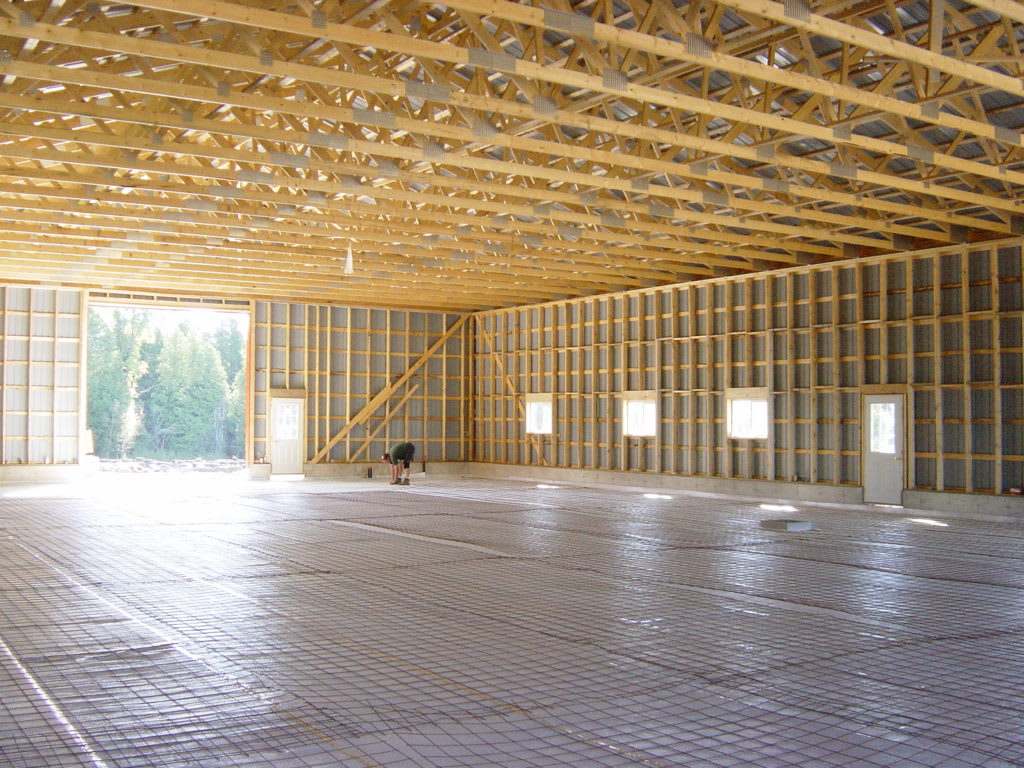
Insulation, often an overlooked aspect of homeownership, is a critical component of energy efficiency, comfort, and property value. With a plethora of options available, selecting the right insulation can be daunting. This comprehensive guide delves into the world of insulation, exploring the various types, their pros and cons, and factors to consider when making your decision.
Understanding Insulation: The Basics
Before diving into the specifics, it's essential to grasp the fundamental principles of insulation. Insulation acts as a thermal barrier, preventing heat transfer between the interior and exterior of your home. This means it keeps your home warmer in winter and cooler in summer, leading to significant energy savings.
The effectiveness of insulation is measured by its R-value, which represents its resistance to heat transfer. The higher the R-value, the better the insulation. The ideal R-value depends on factors such as climate, building construction, and desired level of comfort.
Common Types of Insulation
There are several primary types of insulation, each with its own set of characteristics and applications:
Fiberglass Insulation
Made from recycled glass, fiberglass is the most common and affordable insulation option. It comes in batts, rolls, and loose-fill form.
Pros: Cost-effective, widely available, easy to install.
Cons: Can irritate skin and lungs during installation, may settle over time, has lower R-value compared to some other options.
Best for: Attics, walls, and crawl spaces.
Cellulose Insulation
Made from recycled paper or denim, cellulose is a loose-fill insulation known for its excellent R-value and eco-friendliness.
Pros: High R-value, environmentally friendly, excellent soundproofing, helps control pests.
Cons: Can be messy to install, may settle over time, requires professional installation for optimal results.
Best for: Attics, walls, and crawl spaces.
Mineral Wool Insulation
Made from volcanic rock or recycled steel slag, mineral wool offers excellent fire resistance and soundproofing. It comes in batts, rolls, and loose-fill form.
Pros: Fire-resistant, excellent soundproofing, durable, non-combustible.
Cons: More expensive than fiberglass, can be itchy during installation.
Best for: Attics, walls, and around fireplaces.
Foam Insulation
Available in spray foam and rigid board forms, foam insulation provides superior air sealing and high R-value.
Pros: Excellent air sealing, high R-value, durable, can be used in various applications.
Cons: More expensive than traditional insulation, requires professional installation for spray foam.
Best for: Attics, walls, foundations, and crawl spaces.
Rigid Foam Board Insulation
Made from expanded polystyrene or polyurethane, rigid foam boards offer high R-value and excellent moisture resistance.
Pros: High R-value, moisture-resistant, can be used as a vapor barrier, easy to install.
Cons: Less flexible than other types, may not be suitable for all applications.
Best for: Foundations, exterior walls, and roofs.
Factors to Consider When Choosing Insulation
Climate: Your region's climate determines the required R-value. Colder climates need higher R-values, while warmer climates require less insulation.
Building Construction: The type of construction, such as wood-framed or masonry, affects insulation choices.
Budget: Insulation costs vary significantly, so consider your budget when making a decision.
Environmental Impact: If eco-friendliness is important, cellulose or mineral wool might be better options.
Health Concerns: Some people may have allergies or sensitivities to certain insulation materials.
Installation: Factor in the complexity and cost of installation, especially for spray foam or rigid foam boards.
Energy Efficiency Goals: Determine your desired level of energy savings to select the appropriate insulation.
Insulation Placement and Installation
The effectiveness of insulation depends not only on the type but also on proper placement and installation. Here are some general guidelines:
Attics: Ensure adequate insulation coverage and air sealing to prevent heat loss.
Walls: Insulate exterior walls to reduce heat transfer.
Foundations: Insulating foundations can prevent heat loss and moisture problems.
Crawl Spaces: Insulating crawl spaces helps maintain indoor air quality and energy efficiency.
Basements: Insulating basement walls and ceilings can improve comfort and reduce energy costs.
Additional Tips for Insulation Success
Air Sealing: Combine insulation with air sealing to maximize energy savings.
Ventilation: Proper ventilation is essential to prevent moisture buildup and mold growth.
Professional Installation: For optimal results, consider hiring a professional insulation contractor.
Maintenance: Regularly inspect and maintain your insulation to ensure its effectiveness.
By carefully considering these factors and seeking professional advice, you can choose the best insulation for your home and enjoy the benefits of improved energy efficiency, comfort, and property value.
About the Creator
Keep reading
More stories from Jane Smith and writers in FYI and other communities.
What is a realistic budget for a kitchen remodel?
Dreaming of a kitchen that's both functional and stylish? A kitchen remodel can dramatically transform your home's heart, but it's essential to approach it with a realistic budget. This guide will help you navigate the complexities of kitchen remodeling costs, providing insights into factors that influence pricing and strategies to maximize your investment.
By Jane Smith 2 years ago in FYI
Becca
"Everything is so... flat." Denille said stupidly as she looked around her new neighborhood. She looked around at the muted desert where even the smallest sign of life seemed to have given up. The plant life was shrubs that were half cooked by the heat and where there should have been a lawn, a mess of white rocks laid glistening in the sun. Even the sky looked stretched thin, like the sun had ironed it smooth. She’d moved from Riverside, where at least there were hills, but here in Barstow, everything felt baked and brittle.
By Sara Wilson7 days ago in Fiction


Comments (3)
So so amazing .i love your content and subscribed. Kindly reciprocate by subscribing to me also . thank you and keep it up
Well detailed
Interesting piece