
What is a realistic budget for a kitchen remodel?
What is a realistic budget for a kitchen remodel?
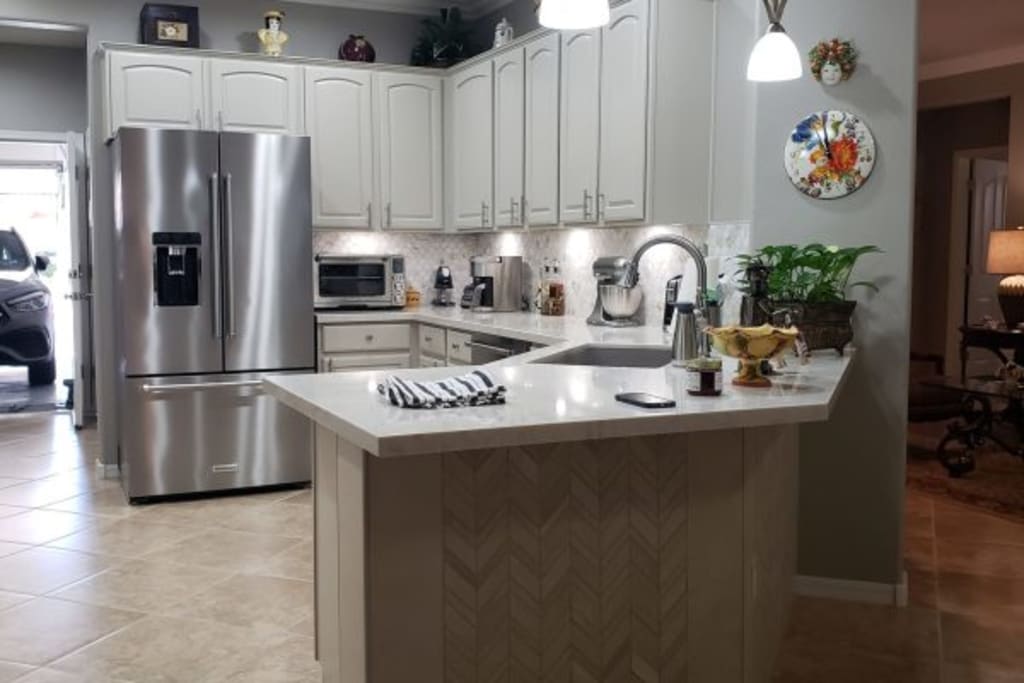
Dreaming of a kitchen that's both functional and stylish? A kitchen remodel can dramatically transform your home's heart, but it's essential to approach it with a realistic budget. This guide will help you navigate the complexities of kitchen remodeling costs, providing insights into factors that influence pricing and strategies to maximize your investment.
Understanding the Variables
The cost of a kitchen remodel can vary widely, depending on several factors:
Size of the kitchen: Larger kitchens naturally require more materials and labor.
Scope of the project: Are you simply replacing countertops or undertaking a complete overhaul, including cabinets, appliances, flooring, and plumbing?
Material choices: High-end materials like granite or stainless steel will increase costs compared to more budget-friendly options.
Labor costs: The cost of labor can vary significantly based on your location and the complexity of the project.
Unexpected costs: Plumbing, electrical, or structural issues may arise during the remodel, leading to additional expenses.
Setting a Realistic Budget
To determine a realistic budget, consider the following steps:
Define your goals: Clearly outline what you want to achieve with the remodel. Are you looking to increase your home's value, improve functionality, or create a specific aesthetic?
Assess your current kitchen: Evaluate the condition of your existing cabinets, appliances, countertops, and flooring. This will help determine the extent of the necessary work.
Research costs: Gather information on materials, appliances, and labor costs in your area. Use online resources, visit home improvement stores, and obtain quotes from contractors.
Allocate funds: Determine how much you can comfortably spend on the remodel. Consider factors like your overall budget, home value, and potential return on investment.
Create a contingency fund: It's wise to allocate 10-20% of your budget for unexpected costs that may arise during the project.
Breaking Down the Costs
To get a better understanding of where your money will go, consider the following cost breakdowns:
Cabinets: This is often the largest expense. Factors influencing cost include material (wood, laminate, or custom), style, and installation.
Countertops: Options range from affordable laminate to high-end granite or quartz. Consider factors like durability, maintenance, and desired aesthetic.
Appliances: The cost of appliances can vary widely based on brand, features, and energy efficiency.
Flooring: Choose flooring that is both durable and stylish. Options include tile, hardwood, laminate, or vinyl.
Plumbing and electrical: These costs will depend on the extent of the work required, such as relocating fixtures or upgrading wiring.
Labor: The cost of labor will vary based on the complexity of the project and your location. Maximizing Your Budget.
To get the most out of your budget, consider the following tips:
Prioritize: Focus on the areas that will have the most impact on your kitchen's functionality and appearance.
DIY: If you have the skills, consider tackling some tasks yourself, such as painting or installing backsplash.
Shop around: Compare prices from different suppliers and contractors to find the best deals.
Consider refurbished or used appliances: This can save you money without sacrificing quality.
Explore financing options: If needed, explore options like home equity loans or renovation loans.
Additional Considerations
Return on investment: While a kitchen remodel can increase your home's value, it's important to consider your local market and potential buyers' preferences.
Energy efficiency: Investing in energy-efficient appliances and materials can save you money on utility bills in the long run.
Sustainability: Consider using eco-friendly materials and practices whenever possible.
By carefully planning and budgeting, you can create a kitchen that meets your needs and enhances your home's value without breaking the bank. Remember to involve a qualified contractor to ensure the project is completed efficiently and to code.
Frequently Asked Questions About Kitchen Remodels
Budgeting for Your Kitchen Remodel
Q: What is a realistic budget range for a kitchen remodel?
A: The cost of a kitchen remodel can vary greatly based on several factors, including kitchen size, scope of the project, material choices, labor costs, and unexpected issues.
However, a general estimate is between $15,000 to $50,000 for a mid-range remodel. High-end remodels can easily exceed $100,000.
Q: What factors influence the cost of a kitchen remodel?
A: Several factors affect the overall cost, including:
Kitchen size: Larger kitchens require more materials and labor.
Scope of the project: A complete overhaul (cabinets, appliances, flooring, etc.) is more expensive than simply replacing countertops.
Material choices: High-end materials like granite or stainless steel increase costs.
Labor costs: Regional differences and project complexity impact labor expenses.
Unexpected costs: Plumbing, electrical, or structural issues can add to the budget.
Q: How can I maximize my kitchen remodel budget?
A: Consider these tips to get the most out of your budget:
Prioritize essential elements.
Explore DIY options for tasks like painting or backsplash installation.
Shop around for competitive prices on materials and labor.
Consider refurbished or used appliances.
Explore financing options if needed.
Planning Your Kitchen Remodel
Q: How do I determine the scope of my kitchen remodel?
A: Assess your current kitchen's condition and functionality. Consider your needs and desires. A clear vision will help define the project scope.
Q: Should I hire a kitchen designer?
A: A kitchen designer can help optimize space, select materials, and create a functional and aesthetically pleasing layout.
It's worth considering if you need professional guidance.
Q: What is the typical timeline for a kitchen remodel?
A: The timeline depends on the project's complexity. Smaller remodels can be completed in a few weeks, while extensive overhauls may take several months.
Q: How can I prepare for unexpected costs during the remodel?
A: Allocate 10-20% of your budget for potential surprises. This contingency fund can cover unforeseen issues like plumbing problems or structural repairs.
Kitchen Design and Materials
Q: What are the most popular kitchen cabinet styles?
A: Popular styles include shaker, contemporary, modern, and traditional. Choose a style that complements your overall kitchen design.
Q: What countertop materials are best for a busy kitchen?
A: Durable options include granite, quartz, and engineered stone. Consider factors like maintenance, cost, and desired appearance.
Q: How do I choose the right flooring for my kitchen?
A: Select flooring that is durable, water-resistant, and easy to clean. Popular choices include tile, hardwood, laminate, and vinyl.
Post-Remodel Considerations
Q: How can I maintain my newly remodeled kitchen?
A: Follow care instructions for countertops, appliances, and flooring. Regular cleaning and maintenance will preserve your kitchen's beauty.
Q: Will a kitchen remodel increase my home's value?
A: While a kitchen remodel can increase home value, the return on investment varies based on local market conditions and the extent of the remodel.
Q: What is the best way to dispose of old kitchen materials?
A: Check local regulations for disposal guidelines. Many items can be recycled or donated to salvage stores.
About the Creator
Keep reading
More stories from Jane Smith and writers in FYI and other communities.
How To Fix Garage Door Opener
A garage door opener is a complex piece of machinery that, while generally reliable, can experience issues. From simple problems like remote malfunctions to more complex mechanical failures, understanding the basics of your garage door opener can save you time and money. This guide will walk you through common issues, troubleshooting steps, and potential DIY repairs.
By Jane Smith 2 years ago in FYI
Top 10 Luxury Travel Experiences Around the World for 2026
Luxury travel in 2026 is no longer just about opulence; it’s about immersive, transformative experiences that combine comfort, adventure, and cultural depth. For seasoned travellers seeking something beyond ordinary vacations, the world offers a rich tapestry of unique journeys—from private islands to cultural explorations with personal guides. Below, we explore ten luxury travel experiences that promise exclusivity, personalization, and unforgettable memories.
By All 4 Season3 days ago in FYI



Comments
There are no comments for this story
Be the first to respond and start the conversation.