
The Dark Side of Nursery Rhymes
Classic nursery rhymes are more disturbing than we realized.

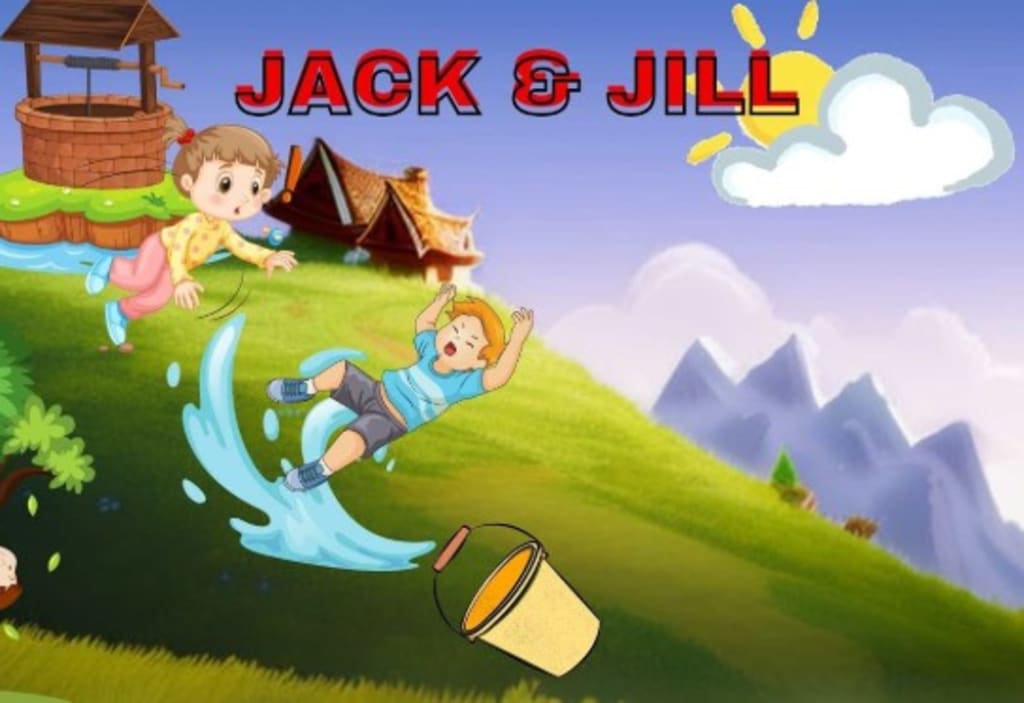
We grew up believing nursery rhymes were sweet, harmless verses meant to lull children to sleep. But if you actually stop and listen to the words, many of those songs are alarming. As adults, we question why nursery rhymes were terrifying.
- Two people falling down a hill without getting medical attention
- A baby falling from the top of a tree
- A little girl frightened by a spider
- A fatal fall from a wall
- A well-known bridge keeps falling down
- Three blind mice's tails are cut off
- A starving dog runs away
- Children imitate death
- An old woman living in an overcrowded space with many children
- Torture devices in a garden
When we focus on what actually happens in those nursery rhymes, they feel less like innocent bedtime songs and more like miniature horror stories we’ve been casually handing down for centuries.
Here are ten familiar nursery rhymes that reveal just how dark childhood storytelling can be when you strip away the sing-song melody and look at the damage left behind.
1. Jack and Jill
Jack and Jill go up a hill for a simple task to get a pail of water. What follows is a dangerous fall that leaves Jack seriously injured. Jill comes “tumbling after,” suggesting two people injured far from help. The rhyme ends abruptly, with no reassurance that Jack survives because he could have suffered a fatal head injury. Jill could not go for help because she had also fallen.
2. Rock-a-Bye Baby
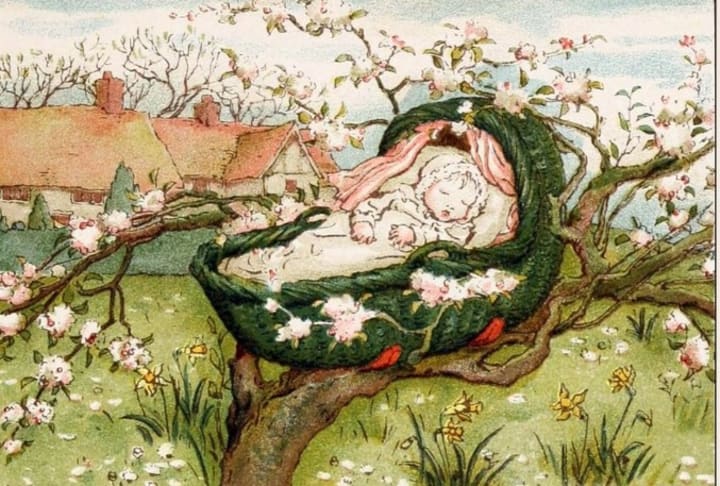
This nursery rhyme is downright chilling. A baby is in a cradle, and the cradle is not placed in a safe place on the ground. Instead, it is put on a treetop. When the wind blows, the bough breaks, the cradle falls, baby and all.
There’s no rescue. No comfort. Just gravity doing its job. Somehow, this became a lullaby meant to help infants sleep. Who approved this to be a lullaby?
3. Little Miss Muffet
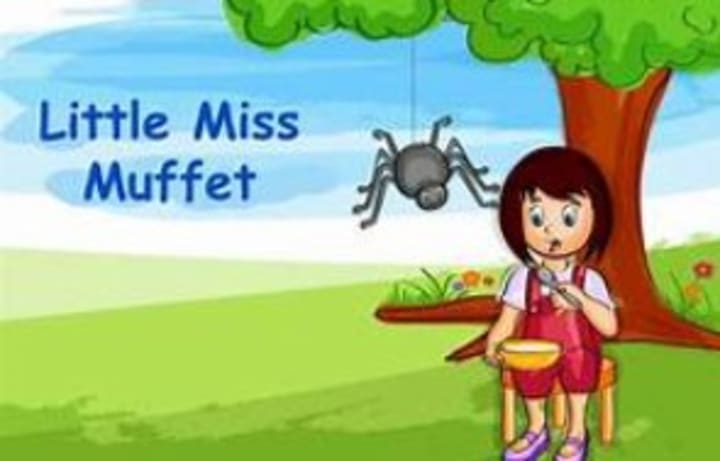
Little Miss Muffet is trying to enjoy a peaceful snack when a spider appears and frightens her so badly that she runs away. In just six short lines, the nursery rhyme centers on fear and distress. And that was supposed to put a toddler to sleep?
4. Humpty Dumpty
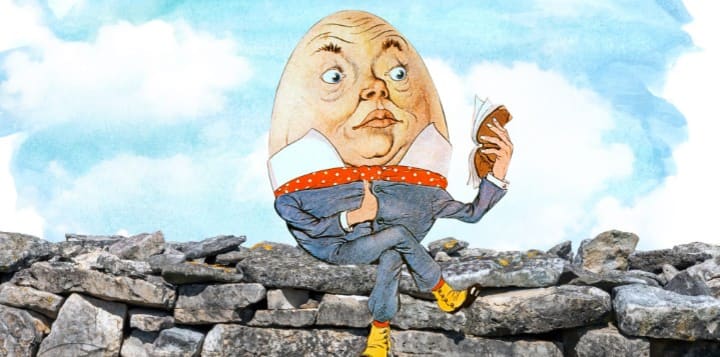
This nursery rhyme is about a fatal fall with no possible rescue. Humpty Dumpty falls from a wall and cannot be put back together again—no matter how many helpers try. The implication is permanent damage or death.
5. London Bridge
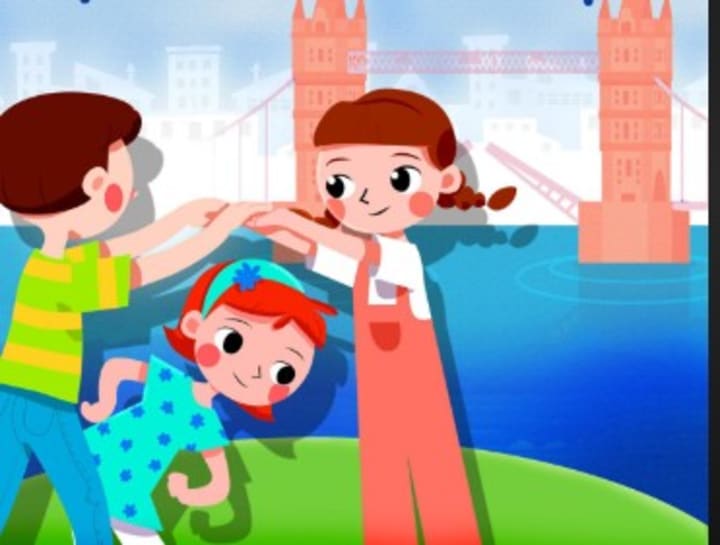
“London Bridge is Falling Down” is not exactly the anthem of architectural confidence. The bridge keeps falling down, no matter what materials are used to fix it. The rhyme cycles through attempts to rebuild it with wood, iron, and stone. None of them could keep the bridge in its place. Children sing this song while holding hands, and actually fall down as London Bridge repeatedly does.
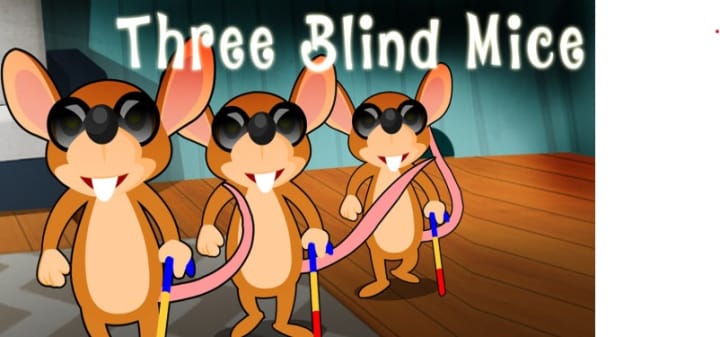
This song is remarkably brutal. It’s one of the most violent rhymes ever taught to preschoolers. Three blind mice are chased by a farmer’s wife who responds by cutting off their tails with a carving knife. The imagery is startlingly cruel.
7. Old Mother Hubbard
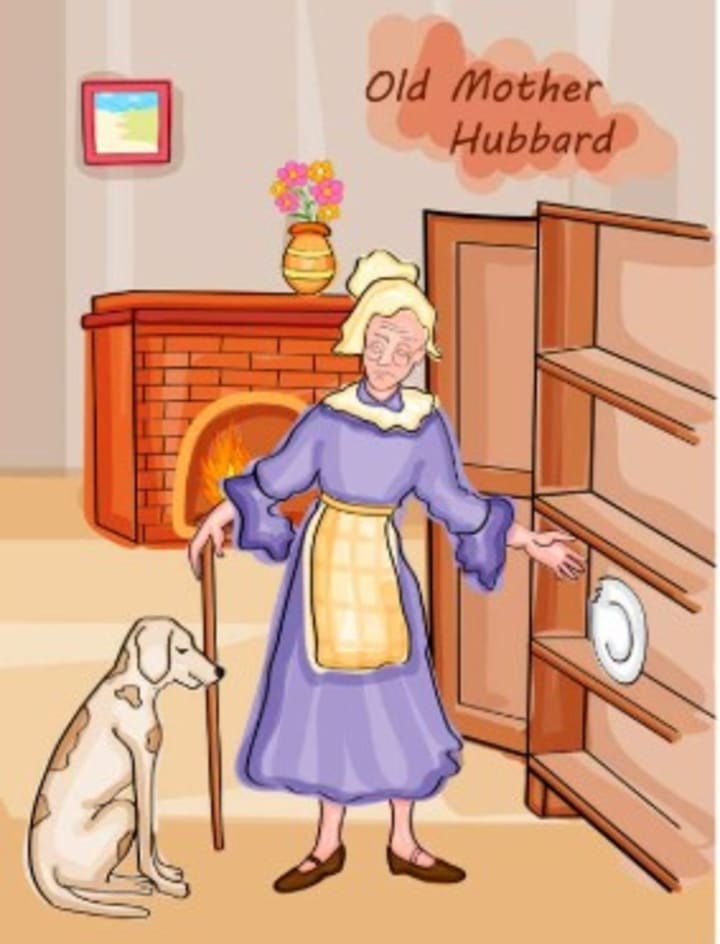
This nursery rhyme centers on starvation, neglect, abandonment, and loss. Old Mother Hubbard goes to the cupboard and finds it bare. Her dog has nothing to eat. When she returns, the dog is gone. No one knows what happened to the hungry dog.
8. Ring Around the Rosie
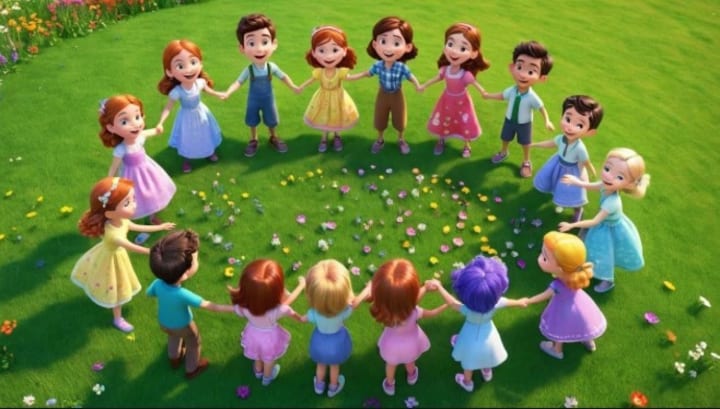
This song is a role-play in which children sing about sickness. Then they fall down. Are they sick? Dead? Many believe this rhyme refers to a historical plague that leads to death. “We all fall down” at the end of “Ring Around the Rosie” suggests mass death following sickness.
9. The Old Woman Who Lived in a Shoe
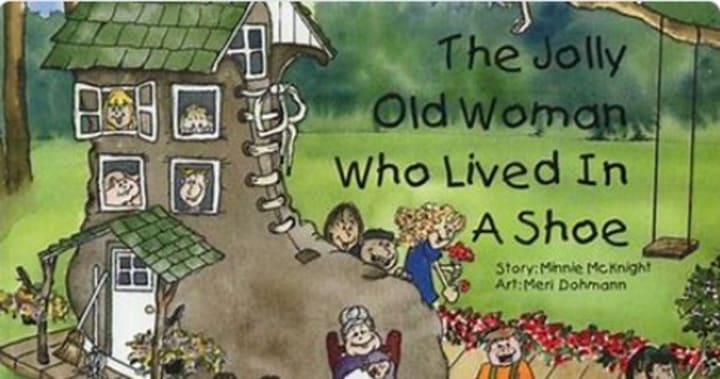
This woman has so many children that she doesn’t know what to do. That line alone conveys: exhaustion, chaos, and a cramped space. Her solution? Feed them with the little she has and sends them to bed. This is a story of common realities of poverty, overcrowding, and emotional neglect disguised as rhyme.
10. Mary, Mary, Quite Contrary
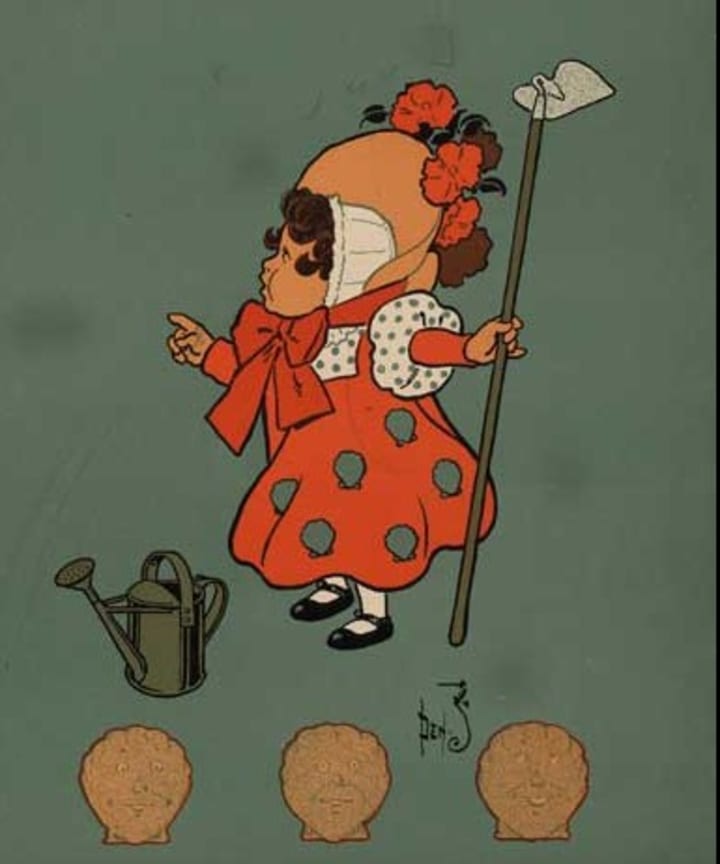
Mary’s garden contains “silver bells” and “cockle shells,” which some interpretations link to possible torture devices in a garden. Whether metaphorical or literal, the rhyme carries unsettling undertones of control and suffering hidden beneath something supposedly beautiful.
Author's Note
If this brought back a few memories or made you laugh today, I’d love for you to follow me here on Vocal.Media for more unique stories.
About the Creator
Margaret Minnicks
Margaret Minnicks has a bachelor's degree in English. She is an ordained minister with two master's degrees in theology and Christian education. She has been an online writer for over 15 years. Thanks for reading and sending TIPS her way.
Keep reading
More stories from Margaret Minnicks and writers in FYI and other communities.
Interesting Things About the Month of February
February: A Unique Month February follows January, which has 31 days, and comes before March, which also has 31 days. Therefore, the shortest month of the year is sandwiched between two long months. February is the only month on both the Julian and Gregorian calendars with only 28 days. During a leap year, the month has 29 days. Because a common year has only 28 days, it has no full moon because full moons occur every 29 and a half days.
By Margaret Minnicks3 days ago in FYI
A Failed Artist, A Disillusioned Poet, An Underpaid Game Show Host
I took my son and niece to Gori, a small town in Georgia where Joseph Stalin was born. They talked me into visiting the Stalin's Museum, the largest in the post-Soviet space. I had resisted going there because I just can't stand the monster and know enough about him, or so I thought.
By Lana V Lynx29 days ago in FYI
Bankruptcy in Australia: The Basics
“Bankruptcy” is a loaded word. Properly loaded. On paper it’s a legal process. In real life it feels like your name is being stamped with something permanent. That’s why people put it off, even when the numbers are screaming for a circuit-breaker.
By Dan Toombsabout 8 hours ago in FYI
Instructions Included Challenge Winners
For the Instructions Included challenge, we asked writers to tell a story through instructions and to trust the form to carry what could not be said outright. Across the top entries, that trust paid off in many different ways.
By Vocal Curation Team7 days ago in Resources


Comments
There are no comments for this story
Be the first to respond and start the conversation.