
Bankruptcy in Australia: The Basics
Thinking about bankruptcy lately? Here’s the plain-English stuff people wish they knew earlier.

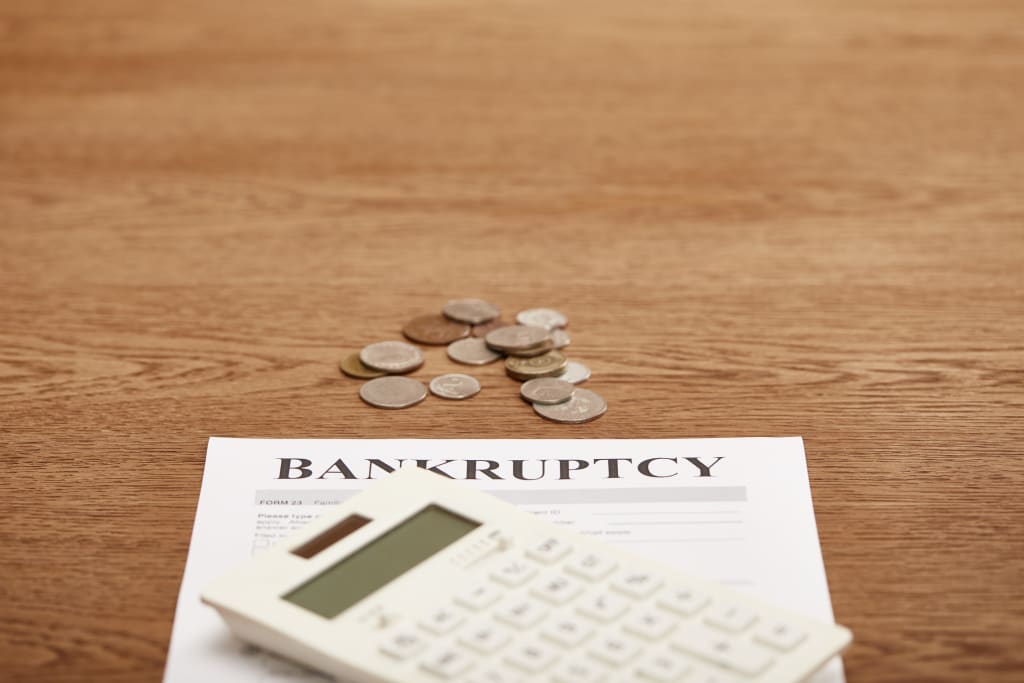
“Bankruptcy” is a loaded word. Properly loaded.
On paper it’s a legal process. In real life it feels like your name is being stamped with something permanent. That’s why people put it off, even when the numbers are screaming for a circuit-breaker.
Thing is… financial blow-ups are way more common than most people think these days. Business slows, interest rates bite, a relationship ends, health goes sideways, or a contract dispute drags on. Then suddenly it’s not “tight cash flow”. It’s “how is this getting paid at all?”
So here’s the deal: bankruptcy can be a sensible reset in some situations. In others, it’s the wrong move and it creates problems that didn’t need to exist.
This is general information only—no judgement, no scare tactics—just the practical stuff people want to know before making a decision that can echo for years.
Let’s kill the biggest myth early: bankruptcy isn’t a magic eraser
A lot of people assume bankruptcy just deletes debt and life goes back to normal.
It can reduce pressure, yes. But it also comes with rules, restrictions, and a trustee involved. So it’s less “wipe the slate” and more “reset with conditions”.
So the better question isn’t “Can bankruptcy help?” It’s: What does bankruptcy fix, and what does it break?
Why people choose bankruptcy (and why it can feel like relief)
Money stress is a special kind of exhausting. The kind that follows people into the shower. Into bed. Into weekends.
It’s not just the debt—it’s the chase. Letters. Calls. Threats. That “unknown number” popping up and the heart doing a little sprint.
Bankruptcy can quieten a lot of that, because a trustee steps in to run the formal process and deal with creditors in a structured way.
The source explains that when someone becomes bankrupt, a trustee is appointed to manage the bankruptcy. A trustee can be nominated, or one can be appointed (AFSA can appoint if none is nominated). The trustee’s role is to work with the bankrupt person and creditors to find solutions that are fair and reasonable to all parties in the circumstances.
And in practical terms, bankruptcy can stop or pause a lot of the relentless stuff described, like:
- ongoing creditor pressure and recovery action
- legal proceedings to recover certain debts
- the Sheriff seizing personal assets to satisfy debts (with exceptions, including new debts incurred after bankruptcy)
- garnishment of wages or bank accounts (with exceptions noted, including some ATO action)
That breathing space is why people sometimes describe bankruptcy as “finally sleeping again.” Not because everything is perfect. Just because it stops getting worse every day.
The trustee part: what’s expected during bankruptcy
Here’s the part nobody loves, but it matters.
During bankruptcy, the trustee can require information—bank details, statements, payslips, and other documents that clarify financial position. It’s not optional. It’s part of how the trustee works out what’s available to creditors, what’s protected, and what happens next.
This can feel invasive, sure. But it’s also how the process stays structured rather than chaotic.
What happens to debts? Some go away, some don’t (and this is where people get caught)
Now, here’s where it gets interesting… and also a bit of a headache.
The source explains that when bankruptcy is filed, a person is generally freed from many unsecured debts such as:
- credit cards and unsecured personal loans
- payday loans
- gas, electricity, phone and internet bills
- overdrawn bank accounts
- unpaid rent
- medical, legal and accounting fees for the period of bankruptcy
But some debts may not be ended by bankruptcy, and some can’t be avoided through bankruptcy at all. Examples noted include:
- some debts owed to Centrelink or the ATO
- child maintenance and support
- court-ordered fines or penalties
- HECS/HELP debts
- unliquidated debts
- debts incurred after filing for bankruptcy
So yeah—“wipe the slate clean” is a myth. Bankruptcy can deal with a lot, but it doesn’t erase everything.
Worth noting: if the biggest problem debt is one of the ones that doesn’t go away, bankruptcy may not solve the core problem. That’s when a different option might make more sense.
This is exactly where legal advice can prevent a well-intentioned decision turning into a long-term regret.
What property is protected? It’s not “nothing,” but it’s not “everything”
This always surprises people: bankruptcy doesn’t mean you lose every item you own.
There are protected categories (clothing, basic household goods, superannuation, etc). But for the stuff people worry about most—cars and tools—there are indexed limits.
As of the latest AFSA indexed amounts (last updated 28 January 2026):
- Tools of trade (property used to earn income by physical exertion) can be kept up to a total value of $4,450.
- Vehicles (cars/motorbikes used mainly for transport) can be kept up to $9,600, and if there’s finance owing, the amount counted toward the limit is typically the value minus what’s still owed (as AFSA explains).
But—and it’s a big but—bankruptcy still requires assets to be declared to the trustee, and many assets can be sold to pay creditors. In many cases, that can include the home.
So the emotional reality is: bankruptcy may protect day-to-day basics, but it can still involve real loss.
Income contributions: yes, earning money is allowed, but there can be thresholds
Contrary to popular belief, being bankrupt doesn’t automatically mean someone can’t work or earn an income.
And don’t miss this: if income goes over the relevant indexed threshold, contributions may be required. That catches people off guard.
The drawbacks that matter in real life (not just on paper)
This is the bit people often underestimate.
Practical consequences can include:
- restrictions for some professions/licensed trades
- overseas travel requiring trustee permission (and sometimes a passport surrender request)
- difficulties accessing credit, renting, or services like insurance
- bankruptcy appearing on a credit report for years after discharge and being permanently recorded on the National Personal Insolvency Index
- not being able to be a company director
- limits on starting certain legal proceedings without trustee permission
- money/assets received during bankruptcy potentially being taken by the trustee to satisfy debts (depending on what it is)
It should be straightforward, but it isn’t.
Bankruptcy is built to juggle everyone’s interests at once—debtor, creditors, and the wider system—so there are always compromises. Relief in one hand, restrictions in the other.
How long does bankruptcy last?
The source states a person is usually discharged after three years and one day, though a trustee can apply to extend the period up to eight years.
It can be a reset, absolutely. Just not the quick kind. More “steady rebuild”, less “overnight fix”.
So what does this mean for you?
Here’s a rough rule of thumb—rough, but useful.
If the problem is a short-term squeeze (one bad quarter, a temporary drop in income, a single creditor being noisy), bankruptcy can be overkill. Like using a sledgehammer on a loose screw.
If the situation is genuinely unworkable—debts rising, legal steps starting, income not covering basics, and no realistic plan to catch up—bankruptcy can be the circuit-breaker that stops the spiral.
But… and this matters… it needs to be a conscious choice. Not a panic move. The consequences can follow people for years.
Pro tip: write down the actual problem being solved. Not “debt” in general—specifically. Is it wage garnishment? Is it a court threat? Is it creditor harassment? Is it keeping the house? Different tools solve different headaches.
FAQ: questions real people actually ask
Will bankruptcy stop creditors calling and chasing?
Often, yes, it can stop much of the direct pressure and can halt certain recovery actions. But it doesn’t stop new debts and there can be exceptions.
Do all debts disappear if bankruptcy is filed?
No. Many unsecured debts are generally covered, but some debts may survive bankruptcy or can’t be avoided (examples include child support, fines/penalties, HECS/HELP and some ATO/Centrelink debts).
Can a house be lost in bankruptcy?
It can be, depending on the circumstances and asset position. Assets can be sold to pay creditors and this can include the home.
Can someone still work while bankrupt?
Usually yes, but certain professions/trades may restrict work. Also, if income exceeds an indexed threshold, contributions may be required.
Can someone travel overseas while bankrupt?
Not automatically. Trustee permission is required, and in some situations a passport may need to be surrendered. So if travel is part of life or work, that’s something to factor in early.
How long does bankruptcy stay on record?
This is the long-tail impact people underestimate. Bankruptcy can stay on a credit report for years after discharge, and it’s permanently recorded on the National Personal Insolvency Index. That can affect renting, borrowing, and basic “life admin” stuff.
Neutral next step
If bankruptcy is on the table at all, don’t decide off vibes or shame.
Get a clear snapshot first: what debts are actually included, what assets are at risk, and which consequences would sting the most (housing, work, travel, credit). A short, early check-in can prevent months of avoidable mess later.
Legal disclaimer
This is general information only. It’s not legal advice, and it won’t be right for every person’s situation. Before taking any step about bankruptcy (or choosing not to), proper advice should be obtained from a qualified Australian lawyer.
About the Creator
Dan Toombs
Providing strategic support for legal, financial, and healthcare sectors through evidence-based planning and smart execution — built to meet what’s next.
Keep reading
More stories from Dan Toombs and writers in FYI and other communities.
A Failed Artist, A Disillusioned Poet, An Underpaid Game Show Host
I took my son and niece to Gori, a small town in Georgia where Joseph Stalin was born. They talked me into visiting the Stalin's Museum, the largest in the post-Soviet space. I had resisted going there because I just can't stand the monster and know enough about him, or so I thought.
By Lana V Lynx29 days ago in FYI
Dead and Wearing Green
She was wearing that green dress when I first saw her, five years ago to the day. Flowing meadow fabric draped over long legs, thick auburn hair flowing down her back. That smile. Of course, she is still beautiful now. But now she is no longer alive.
By Karen Cave6 days ago in Fiction



Comments
There are no comments for this story
Be the first to respond and start the conversation.