
The Dark Load Shedding Cloud
South Africans are still looking for the silver lining on this one.
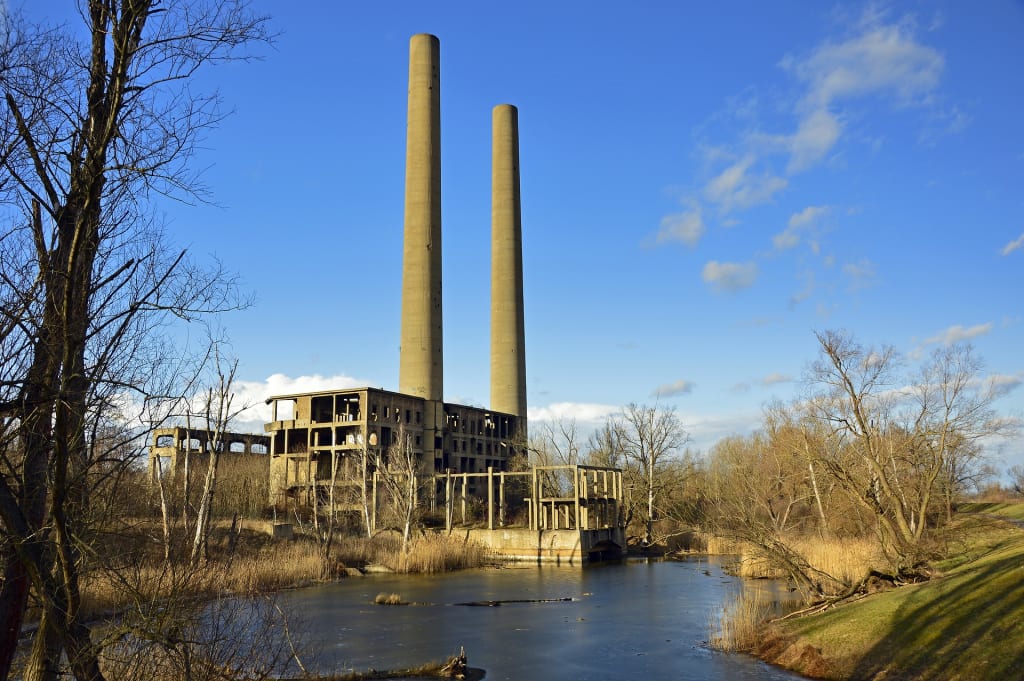
For many years, South Africa has struggled with load shedding, as the planned power outages are known there. Millions of South Africans are impacted by load reduction, which began in 2008 and has since spread throughout the country. Despite initiatives to increase supply, the country's electricity grid remains unreliable, and load shedding is still a significant problem for both residents and companies.
The country's aging infrastructure, which struggles to satisfy the demands of an expanding population and economy, is the primary cause of load shedding in South Africa. Since many of the country's power plants are outdated and need regular repair, unanticipated power outages frequently occur. Due to the substantial initial investment needed to adopt renewable energy sources, the nation has also encountered difficulties, which has increased its reliance on coal power plants.
The effects of load shedding on people and companies are profound. When load shedding occurs, people must organize their activities around the schedule that their local electricity provider provides. This can be difficult, particularly for people who work from home or have health issues that necessitate having access to electricity. If businesses are unable to meet client demands, load shedding could result in lost sales and reputational harm. In extreme circumstances, load shedding may even force the closure of a company, especially one that depends heavily on electricity.
The industry as a whole is negatively impacted by load shedding. During load shedding, businesses that depend on electricity are compelled to scale back production or even briefly shut down, which lowers economic output. Additionally, load dumping can discourage foreign investment in the nation because businesses are hesitant to make investments in nations with unstable power supplies.
In South Africa, load shedding has been a problem for many years, but development has been sluggish. The government has made investments in building new electricity plants, but these initiatives have been dogged by setbacks and cost overruns. The nation has worked to increase its use of renewable energy sources, but due to the high investment costs, progress in this field has also been slow.
The government has created a long-term strategy known as the IRP, Integrated Resource Plan, to address the load shedding problem. The IRP seeks to offer a growth roadmap for South Africa's energy industry, including the move to renewable energy sources. The plan calls for the development of fresh green energy initiatives as well as the closure of outdated coal power plants. The IRP has, however, been implemented slowly, and little headway has been made toward achieving the goals set forth in the plan.
The administration has also put short-term solutions to load shedding into place in addition to the IRP. A new tariff structure that encourages consumers to lower their energy usage during peak hours is one of these measures, as is the use of diesel-powered generators to provide backup power during power outages. Despite some success in lowering the frequency and severity of load shedding, these steps do not offer a long-term fix.
In conclusion, load shedding in South Africa continues to be a major issue that negatively affects people, companies, and the industry as a whole. The country's deteriorating infrastructure and heavy dependence on coal power plants are the main causes of the issue. Although attempts have been made to address the problem, little has been accomplished, and load shedding still happens frequently. The government must give the execution of the Integrated Resource Plan top priority and make investments in the creation of renewable energy sources in order to permanently solve the load shedding issue. Failure to do so will only result in increased fiscal harm and a decrease in the standard of living for South Africans.
About the Creator
Keep reading
More stories from Charles Finlay and writers in FYI and other communities.
Go Green, Beat the Rolling Blackouts
Self-sustainable energy is a subject that is gaining popularity as we head toward a better and more sustainable future. The energy that is produced from renewable resources and is independent of electricity grids or other external energy sources is referred to as self-sustainable energy. Self-sustaining energy can be produced using a variety of techniques, each of which has specific benefits and drawbacks.
By Charles Finlay3 years ago in Education
The Fall of the Iranian Regime Will Destroy Russia
A lot has been happening in the world of geopolitics lately. We’re not even three weeks into 2026, and we’ve already seen wars, bombings, regime changes, capitulations, and escalating unrest across multiple regions. The year has opened at full throttle, and one of the next countries that appears to be teetering on the edge is Iran.
By Lawrence Lease4 days ago in FYI


Comments
There are no comments for this story
Be the first to respond and start the conversation.