
The Cannabis Conundrum
The Cannabis Conundrum: Mind Saviour or Mental Terrorist?

The Cannabis Conundrum: Mind Saviour or Mental Terrorist?
Introduction: The Green Debate
Cannabis—oh, what a tangled green web we weave when first we practice to toke. Whether you are sparking up for the first time or just navigating the dense fog of public opinion, it is clear that this little green plant has sparked more debates than your aunt at Christmas dinner after a few too many sherries.
Once upon a time, cannabis was the preserve of ancient shamans and the odd free-spirited hippie; now it is a booming business that has gone corporate faster than you can say “joint venture.” From your local yoga instructor who swears by CBD oils to your mate who claims it is the only way he can beat insomnia; cannabis has found its way into the mainstream—and our medicine cabinets. But is it the mind’s saviour, or the slippery slope to the dark abyss of mental health woes? It is a question that is as loaded as a pot brownie at a music festival.
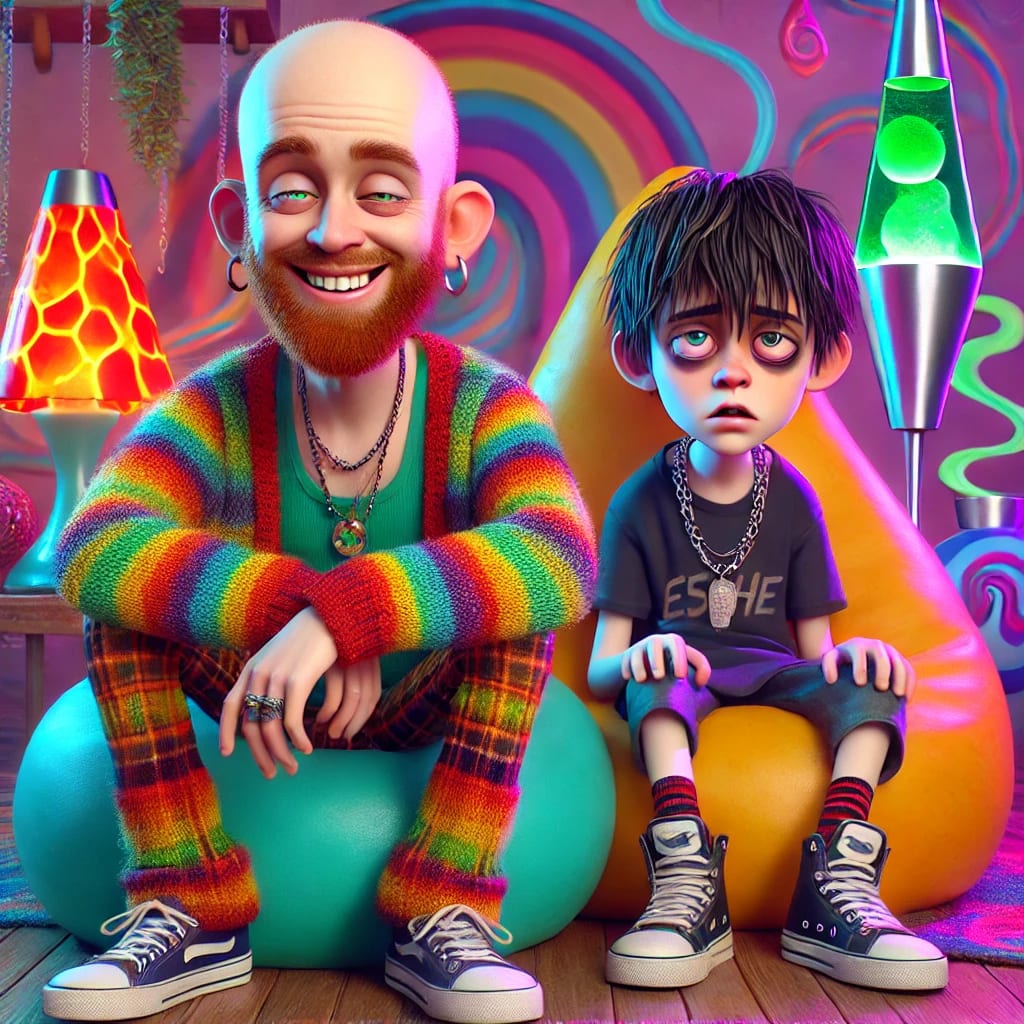
In this blog, we are going to wade through the sticky, pungent waters of cannabis culture, explore the highs and the terrifying lows, and try to figure out whether this plant is more of a hero or a villain. We will do this through the eyes of two very different blokes—BatShit Guy, a warrior battling the chaotic storm of borderline personality disorder (BPD), and Big Fella, a young lad who’s been stuck in the muck of cannabis addiction while juggling other serious health issues. We will also touch on the ethical quandaries surrounding the corporate takeover of cannabis and why you should think twice (or thrice) before you hit the green before you are twenty-four. Ready? Let us dive in!
Perspective 1: BatShit Guy – The Good, the Bad, and the Ugly
Understanding Borderline Personality Disorder (BPD)
First off, let us talk about BPD. If you are not familiar, BPD is like trying to juggle firecrackers while standing on a tightrope. It is a mental health disorder characterized by intense mood swings, unstable relationships, and a tendency to act impulsively. Emotional regulation? Forget about it. For those with BPD, emotions are like a storm—unpredictable, overwhelming, and sometimes downright destructive. It is no wonder that many people with BPD seek out ways to self-soothe, and cannabis often tops the list.
BatShit Guy knows this all too well. He has been on the front lines of the BPD battlefield, and cannabis has been his weapon of choice for many years. But like any weapon, it is a double-edged sword, offering relief on one side and potential ruin on the other.
The Therapeutic Benefits of Cannabis for BPD
So, let us start with the good stuff—because everyone loves a happy beginning, right? For BatShit Guy, cannabis is more than just a plant; it is a lifeline. Here is how it helps him keep his head above water.
Emotional Stability
If you have ever tried to calm a screaming toddler who is just dropped their ice cream, you have got a small taste of what it’s like to manage BPD. The emotions are big, they are messy, and they are all over the place. Cannabis, however, can act like a sort of emotional glue, helping to hold things together. The cannabinoids in cannabis interact with the endocannabinoid system (ECS)—yes, that is a real thing, not just a fancy word your mate uses to sound clever—which plays a crucial role in regulating mood and stress responses.
Studies suggest that cannabis can reduce emotional volatility, providing a much-needed anchor in the stormy seas of BPD. For BatShit Guy, this means fewer outbursts, less anger, and a more even keel—something that anyone with BPD will tell you is worth its weight in gold.
Anxiety Reduction
BPD and anxiety go together like meat pies and tomato sauce—unfortunately, they are pretty inseparable. Anxiety is a constant companion for many with BPD, lurking in the background and ready to pounce at any moment. Cannabis, particularly strains high in CBD (that’s cannabidiol, the non-psychoactive component of cannabis), has been shown to reduce anxiety. It works on the serotonin receptors in the brain, promoting a sense of calm and relaxation. For BatShit Guy, a few puffs of the right strain can turn a looming panic attack into a more manageable situation—like swapping a tsunami for a mildly annoying wave.
Improved Sleep
If there is one thing people with BPD often struggle with, it is sleep—or rather, the lack of it. Between the racing thoughts, emotional turmoil, and general stress, falling asleep can want to try to win a game of cat and mouse with insomnia. Enter cannabis, the unofficial sleep fairy for many insomniacs. Certain indica strains are known for their sedative effects, helping to induce sleep and improve its quality. For BatShit Guy, a bit of cannabis before bed means fewer sleepless nights and more mornings where he wakes up feeling somewhat refreshed, rather than like he has been dragged through a hedge backward.
The Downfalls of Cannabis for BPD
But—and there is always a but, isn’t there? —cannabis is not all sunshine and rainbows. Like anything with the potential to soothe, it also has the potential to sting. Here’s where things can get tricky for BatShit Guy.
Dependency Risk
Cannabis might be a great tool for managing BPD, but it is not without its risks—one of the biggest being dependency. For some, cannabis can become a crutch, something they rely on so heavily that they cannot imagine getting through the day without it. BatShit Guy knows this all too well. Over time, he is found himself needing higher and higher doses to achieve the same effect, a telltale sign of dependency. It is not quite the full-blown addiction you see in Hollywood movies, but it’s close enough to be concerning. The thought of going without it? That is a bit like asking someone to run a marathon on an empty stomach—possible, but difficult.
Cognitive Impairment
Now, let us talk about the elephant in the room—cognitive impairment. Regular cannabis use can do a bit of a number on your brain, particularly your memory and attention span. Ever walked into a room and forgotten why you are there? Imagine that, but on steroids. For BatShit Guy, this means dealing with memory lapses, reduced focus, and what some might call “brain fog.” It is not just about forgetting where you left your keys; it is about finding it harder to stay sharp, especially when the stakes are high.
Social Stigma
Despite the growing acceptance of cannabis, there is still a fair bit of stigma attached to it—especially when you are using it for something as misunderstood as BPD. For BatShit Guy, this means navigating a minefield of judgment, from the sideways glances at family gatherings to the not-so-subtle comments at work. It is one thing to use cannabis, but it is another to deal with the social fallout that can come with it. And let us be honest, nobody likes feeling like they are being judged—least of all when you are already struggling with your mental health.
Perspective 2: Big Fella – When Weed Goes Wrong
Understanding Cannabis-Induced Psychosis
While cannabis can be a lifeline for some, for others, it is more of a noose. Enter Big Fella, a young lad who learned the hard way that cannabis is not always the chill, fun-loving mate it is cracked up to be. For him, cannabis was less about relaxation and more about a one-way ticket to Crazy town.
Cannabis-induced psychosis is a real and terrifying thing. It is characterized by hallucinations, delusions, and paranoia—basically, all the stuff you really don’t want to happen inside your head. It is not super common, but when it hits, it hits hard. For Big Fella, what started as a bit of harmless fun quickly turned into a full-blown nightmare, complete with trips to the hospital and a lot of regret.
The Temporary Benefits of Cannabis
Before things went pear-shaped, Big Fella, like many others, enjoyed the rewards of cannabis. Here is what drew him in.
Euphoria and Relaxation
Let us not beat around the bush—cannabis can make you feel fantastic. The THC (that’s tetrahydrocannabinol, the stuff that gets you high) in cannabis induces a state of euphoria and relaxation. For Big Fella, it was a way to escape the stresses of life, if only for a little while. It is like sinking into a warm bath after a long day—except, you know, in your brain.
Creativity Boost
Cannabis has a bit of a reputation for sparking creativity, and it is not without reason. It alters perception, making the mundane seem novel and the ordinary seem extraordinary. For Big Fella, this meant that his artistic pursuits reached new heights when he was under the influence. Ideas flowed more freely, and his creativity seemed to know no bounds. It was like having a direct line to the muses—until the line got cut, that is.
The Downfalls of Cannabis for Big Fella
But of course, the honeymoon phase did not last forever. Here’s where things started to go downhill for Big Fella.
Cannabis-Induced Psychosis
Cannabis-induced psychosis is no joke. It is not just a bad trip; it is a full-on descent into madness. For Big Fella, what started as a bit of fun quickly spiralled into something much darker. He began experiencing terrifying episodes of paranoia, hallucinations, and delusions. It was as if his brain had turned against him, twisting reality into something unrecognizable and terrifying. Despite knowing that cannabis triggered these episodes, the grip of addiction was strong, and he found himself drawn back to it time and time again, like a moth to a flame—only this flame burned a whole lot more than wings.
Lack of Awareness
One of the biggest dangers of cannabis is the lack of awareness about its potential negative effects. For Big Fella, this meant struggling to see—or perhaps admit—the damage it was doing. Denial is a powerful thing, and it kept him locked in a cycle of continued use, despite the toll it was taking on his mental health. Recognizing and acknowledging the problem was the first, and hardest, step towards managing it.
Impaired Judgment
Cannabis does not just mess with your perception; it can also cloud your judgment. For Big Fella, this led to a series of poor decisions and risky behaviours that had both personal and professional consequences. Whether it was making a fool of himself in front of his boss or taking unnecessary risks, the impaired judgment that came with his cannabis use had far-reaching effects. It was like driving a car with fogged-up windows—not exactly the best way to get from point A to point B.
Social and Legal Consequences
Even in regions where cannabis is legal, it can still lead to social and legal issues. Big Fella faced workplace challenges, strained relationships, and even the occasional run-in with the law due to his cannabis use. The social implications of regular cannabis use are complex, and for Big Fella, they were just one more layer of stress to add to an already overflowing plate.
The Recreational Use Debate
Ah, the great debate: should cannabis be legalized for recreational use, or should it remain a controlled substance? It is a question that has been bandied about in parliaments, pubs, and pretty much everywhere in between. Here is a look at both sides of the coin.
The Case for Legalization
Economic Benefits
Let us start with the money—because, let us be honest, that is what makes the world go round. Legalizing cannabis brings in the dosh, and lots of it. The cannabis industry generates substantial tax revenue, creates jobs, and stimulates economic growth. In places where cannabis is legal, states report millions in tax income, which is then funnelled into public services and infrastructure. So, in a way, your mate’s Saturday night spliff could be helping to fix the potholes in the road. Not bad, eh?
Personal Freedom
At its core, the argument for recreational cannabis use hinges on personal freedom. Adults should have the right to choose what substances they consume, provided they do so responsibly. It is about autonomy and the ability to make choices about your own body. Legalization respects individual autonomy and reduces the burden on law enforcement, freeing up resources to tackle more serious crimes. Plus, who does not want the government out of their stash?
Recreational Benefits
For many, cannabis is a way to unwind and socialize. It is often compared to alcohol in social settings, helping people relax and enjoy themselves. The communal aspect of cannabis can strengthen social bonds and provide a sense of community. It is not just about getting high; it is about connecting with others, whether that is at a party, a concert, or just chilling in the backyard. And let us not forget the munchies—what is better than sharing a bag of chips with your mates?
Enhancing Experiences
Cannabis has a way of making everything just a little bit better—music, art, food, nature, you name it. It can heighten sensory perception, making activities more enjoyable and immersive. Many users report a deeper appreciation for everyday experiences when using cannabis. It is like life in high definition, with a side of “wow, have you ever really looked at a tree?”
Potential Downsides of Recreational Use
But of course, it is not all fun and games. There are downsides to consider, especially when it comes to health.
Health Risks
Like any substance, cannabis is not without its health risks. Smoking cannabis can harm the lungs—your body’s natural air filters were not exactly designed to handle all that smoke, after all. Plus, high THC levels can lead to increased anxiety and paranoia, especially in those who are already prone to such issues. It is essential to use cannabis responsibly and be aware of its potential effects on health. Just because it is natural does not mean it is harmless—remember, cyanide’s natural too.
Addiction and Abuse
While cannabis is less addictive than substances like alcohol or opioids, it can still lead to abuse and dependency. Understanding the signs of cannabis addiction and taking steps to prevent it are crucial for responsible use. It is all too easy to fall into the trap of thinking that just because it is not as addictive as other substances, it is safe. But as Big Fella’s story shows, that is not always the case.
Impact on Mental Health
For some, especially those predisposed to mental health issues, cannabis can exacerbate problems. High doses of THC can trigger anxiety, depression, and even psychosis in vulnerable individuals. It is important to consider mental health when deciding to use cannabis recreationally. What is a great night for one person could be a nightmare for another.
Why You Should Avoid Cannabis Before 24
Introduction
Now, here’s where things get really serious. If you are under twenty-four, you might want to think twice before lighting up. The allure of recreational drugs can be strong, especially during the tumultuous years of adolescence and early adulthood. But there is a reason the experts say to wait until your mid-twenties—your brain is still developing, and introducing substances during this critical period can have lasting negative effects.
The Developing Brain
The human brain undergoes significant development during adolescence and early adulthood. Key areas like the prefrontal cortex, responsible for decision-making, impulse control, and emotional regulation, continue to mature into the mid-twenties. Introducing recreational drugs during this period can disrupt normal brain development and lead to a range of cognitive, emotional, and behavioural issues.
Impaired Cognitive Function
Drugs can interfere with the development of critical cognitive functions, leading to impaired memory, attention, and learning abilities. Studies have shown that early drug use is associated with lower academic achievement and decreased intellectual performance. Think of your brain like a computer—introducing cannabis too early is like running the latest software on an outdated processor. It is just not going to work as well.
Increased Risk of Mental Health Disorders
Early drug use significantly increases the risk of developing mental health disorders such as depression, anxiety, and psychosis. The brain’s developing neural pathways are particularly vulnerable to the disruptive effects of drugs, which can lead to long-term psychological issues. It is like trying to build a house on a shaky foundation—it might look fine at first, but it is going to come crashing down eventually.
The Role of CB1 and CB2 Receptors
To understand how recreational drugs affect the developing brain, it is essential to look at the role of CB1 and CB2 receptors. These receptors are part of the endocannabinoid system, which plays a crucial role in regulating mood, memory, pain, and appetite.
CB1 Receptors
CB1 receptors are primarily found in the brain and central nervous system. They are involved in regulating neurotransmitter release, which affects mood, memory, and pain perception. Recreational drugs, especially cannabis, interact with these receptors, leading to altered brain function. During brain development, disrupting CB1 receptor activity can impair cognitive and emotional development.
CB2 Receptors
CB2 receptors are primarily found in the immune system and peripheral tissues. They play a role in regulating immune responses and inflammation. While CB2 receptors are less involved in the central nervous system, their interaction with recreational drugs can still have systemic effects that influence overall health.
Long-Term Consequences
The risks of using cannabis before 24 are not just short-term—they can have lasting consequences that follow you into adulthood.
Addiction and Dependency
The earlier an individual starts using recreational drugs, the higher the likelihood of developing substance use disorders. The developing brain is more susceptible to the addictive properties of drugs, leading to a greater risk of dependency and long-term addiction issues.
Emotional and Behavioural Problems
Drug use during adolescence can result in increased emotional instability and impulsive behaviour. These issues can persist into adulthood, affecting personal relationships, career prospects, and overall quality of life. It is not just a phase—it is something that can shape the rest of your life.
Legal and Social Consequences
Early drug use can lead to legal problems and social stigmatization. A criminal record or social exclusion can have lasting impacts on an individual’s future opportunities and well-being. Once you are on that slippery slope, it can be hard to climb back up.
Healthy Alternatives and Coping Strategies
So, if you are under twenty-four and thinking about using cannabis, consider some healthier alternatives. Here are a few ways to cope with life’s challenges without resorting to drugs.
Engaging in Physical Activities
Regular exercise can boost mood, reduce stress, and improve overall health. Engaging in sports, yoga, or even daily walks can provide a natural high and a sense of accomplishment. Plus, it is a great way to stay fit and healthy—something you’ll appreciate more and more as the years go by.
Building Supportive Relationships
Developing strong, supportive relationships with family and friends can provide emotional support and reduce the temptation to use drugs. Surrounding yourself with positive influences can make a significant difference in coping with life’s challenges. It is like having your own personal cheer squad, there to lift you up when you need it most.
Exploring Creative Outlets
Engaging in creative activities such as art, music, or writing can be an excellent way to express emotions and reduce stress. These outlets can provide a healthy way to cope with difficulties and offer a sense of purpose. Whether it is painting, playing an instrument, or writing your thoughts down, creativity is a powerful tool for mental well-being.
Seeking Professional Help
If you are struggling with stress, anxiety, or other mental health issues, seeking help from a professional therapist or counsellor can provide the support needed to manage these challenges effectively. Cognitive Behavioural Therapy (CBT), mindfulness, and other therapeutic techniques can be highly beneficial. Remember, asking for help is a sign of strength, not weakness.
Balancing Benefits and Risks: A Path Forward
Cannabis is not all good or all bad—it is about how you use it. Here is how to approach it in a way that maximizes the benefits while minimizing the risks.
Personalized Approaches to Cannabis Use
Cannabis affects everyone differently, making personalized approaches essential. Whether for medical or recreational use, finding the right strains, dosages, and methods of consumption can maximize benefits and minimize risks. It is not a one-size-fits-all solution—what works for your mate might not work for you. Always remember, low and slow, and that you can always take more, you can not take less.
Monitoring and Self-Care
Self-monitoring is key to responsible cannabis use. Keeping track of usage, recognizing potential issues, and seeking help when needed can prevent dependency and adverse effects. Incorporating self-care practices can also mitigate the negative impacts of cannabis. It is about being mindful and intentional with your use—treat it like you would any other aspect of your health.
Seeking Professional Guidance
Consulting healthcare professionals is vital for safe and effective cannabis use. Medical guidance can help tailor cannabis use to individual needs, ensuring it serves as a beneficial tool rather than a harmful habit. Do not be afraid to ask questions and get advice—it could make all the difference.
Future Legal Implications in Australia: Navigating the Complexities
As cannabis becomes more mainstream, the legal landscape is bound to evolve. Here is a look at what the future might hold.
Potential Changes in Legislation
Australia’s cannabis laws are evolving, and cases like Big Fella’s could influence future legislation. Lawmakers need to balance the benefits of legalization with the potential for harm, particularly for vulnerable individuals. Comprehensive policies should address both recreational and medical use, ensuring that safeguards are in place to protect those at risk.
Public Health Campaigns
Education is key. Public health campaigns can raise awareness about the risks and benefits of cannabis use, promoting responsible consumption. By informing the public about potential health risks, signs of addiction, and safe usage practices, these campaigns can help mitigate the negative impacts of legalization.
Support Services
Legalization should be accompanied by robust support services for those struggling with cannabis addiction. Accessible treatment options, counselling, and support groups can provide the necessary assistance for individuals like Big Fella, helping them manage their addiction and its effects on their lives.
Research and Monitoring
Ongoing research and monitoring are crucial to understanding the long-term impacts of cannabis legalization. Data on usage patterns, health outcomes, and social effects can inform future policy decisions, ensuring that laws remain responsive to emerging evidence and societal needs.
Conclusion: Navigating the Cannabis Landscape
Cannabis is a multifaceted plant with both potential benefits and risks. The experiences of BatShit Guy and Big Fella highlight the need for a nuanced understanding of its effects. By approaching cannabis with an informed and balanced perspective, users can navigate its complexities and make choices that enhance their well-being.
Final Thoughts
As the legal and social landscapes of cannabis continue to evolve, staying informed is more important than ever. Whether you are considering cannabis for medical purposes, recreational use, or just curious, understanding its potential impacts is crucial. Embrace the green revolution with caution and mindfulness, and always prioritize your health and well-being.
Cannabis is a double-edged sword, offering relief and enjoyment while posing risks and challenges. The key is to wield it wisely, respecting its power and understanding its potential. With informed choices and responsible use, cannabis can be a valuable addition to one’s life. Stay informed, stay balanced, and keep the conversation going—because the green debate is far from over.
For more insights and stories on managing mental health and making positive life choices, visit BatShitCrazy.com.au
About the Creator
Mr BatShit
Mr. BatShit is the whimsical wizard of wellness, turning complex psychological concepts into engaging, humorous, and unforgettable content. Mr Batshit makes even the toughest mental health topics fun and relatable.
Keep reading
More stories from Mr BatShit and writers in FYI and other communities.
Cannabis Chronicles
Cannabis Chronicles: From Counterculture to Corporate Colossus Greed! Introduction Right, let us kick this off with a bang. Cannabis – weed, Ganja, Mary Jane, call it what you will – has been on one hell of a rollercoaster. From the smoky haze of rebellious youth in the '60s to the sterile boardrooms of today's multi-billion-dollar industry, the journey of cannabis is as twisted as the mind of someone who has just had a bit too much of the green stuff. So, buckle up and join me on this wild ride through the evolution of cannabis – from counterculture icon to corporate behemoth.
By Mr BatShitabout a year ago in FYI


Comments (1)
Thanks for sharing