
The Best Shipwreck Dive Sites in Sri Lanka
The best dive sites in Sri Lanka to see shipwrecks

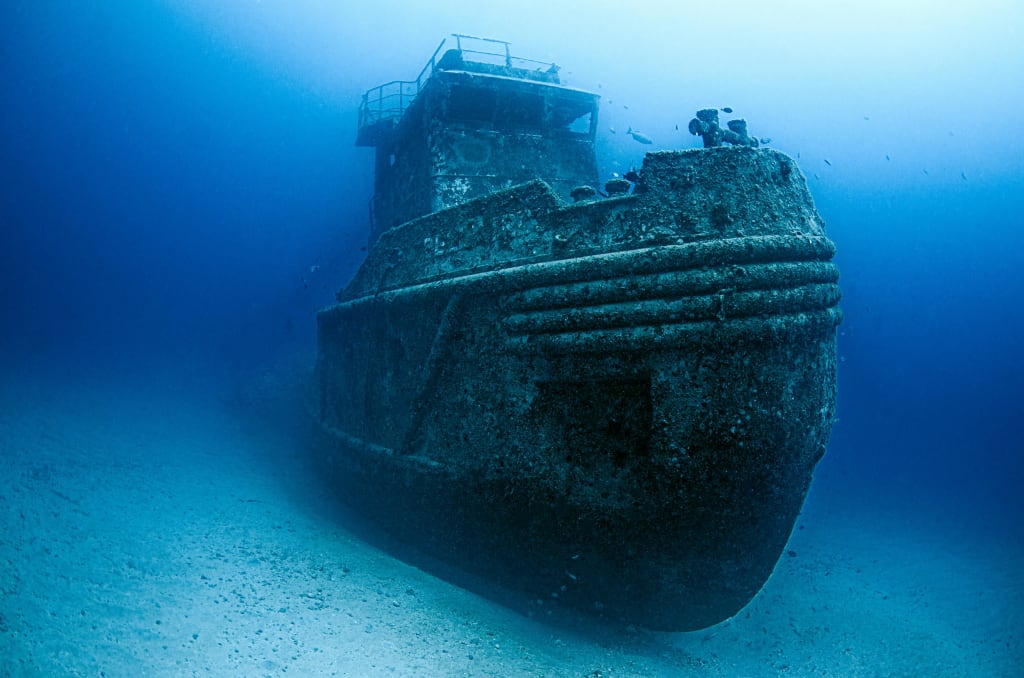
Beneath the azure waters surrounding Sri Lanka lies a treasure trove of maritime history, where centuries of trading vessels, warships, and merchant ships have found their final resting place. The island's strategic position along ancient trade routes have resulted in an underwater museum of shipwrecks that draws divers from around the globe. For those seeking adventure beyond traditional coral reef exploration, Sri Lanka diving tours now offer unprecedented access to some of the Indian Ocean's most spectacular wreck diving experiences.
The warm tropical waters, excellent visibility, and rich marine life that has colonised these artificial reefs make Sri Lanka an exceptional destination for wreck diving enthusiasts. From shallow wrecks perfect for beginners to deep technical dives that challenge even the most experienced divers, the island's underwater graveyards offer something for every skill level and interest.
The SS Orestes: A Giant's Final Voyage
Perhaps no shipwreck captures the imagination quite like the SS Orestes, a massive British cargo steamer that met its fate off the coast of Colombo in 1942. This 460-foot vessel, torpedoed by a Japanese submarine during World War II, now rests in approximately 130 feet of water, making it one of the most impressive deep wreck dives in Sri Lankan waters.
The Orestes presents a haunting yet beautiful spectacle for advanced divers. Her cargo holds, once filled with wartime supplies, now serve as home to schools of barracuda, tuna, and countless tropical fish species. The ship's massive propeller and engine room remain largely intact, offering photographers extraordinary opportunities to capture the intersection of human engineering and marine colonisation. Penetration diving within the wreck reveals artifacts from a bygone era, including personal effects of crew members and remnants of the cargo that never reached its intended destination.
What makes the Orestes particularly special is the way marine life has transformed this vessel into a thriving ecosystem. Soft corals drape the superstructure like colourful curtains, while hard corals have begun establishing colonies along the hull. Large pelagic species frequently patrol the wreck, making encounters with sharks, rays, and even occasional whale sightings possible during ascent.
The Earl of Shaftesbury: Victorian Maritime Heritage
Dating back to 1893, the Earl of Shaftesbury represents one of the oldest accessible shipwrecks in Sri Lankan waters. This Victorian-era steamship, which sank during a monsoon while carrying tea and spices from Ceylon to London, now lies in relatively shallow water off the southern coast, making it accessible to intermediate divers.
The wreck's historical significance extends beyond its age. As a tea clipper, the Earl of Shaftesbury was part of the fleet that established Sri Lanka's reputation as a premier tea-producing nation. Diving this wreck offers a unique glimpse into the colonial maritime trade that shaped the island's economy. The ship's cargo holds still contain remnants of tea chests and spice containers, their contents long since dissolved but their ghostly outlines preserved in the sediment.
Marine life around the Earl of Shaftesbury is particularly diverse due to the wreck's position near a natural reef system. The combination of artificial and natural structures has created microhabitats that support everything from tiny nudibranchs to large groupers. Night diving on this wreck reveals an entirely different ecosystem, with hunting moray eels, octopi, and various crustaceans emerging from their daytime hiding places.
Trincomalee's Military Heritage: HMS Hermes and Beyond
The eastern coast near Trincomalee holds particular significance for military history enthusiasts, as it was here that some of the most dramatic naval battles of World War II played out. While the famous HMS Hermes lies too deep for recreational diving, several smaller military vessels in the area offer incredible wreck diving experiences for those pursuing PADI diving in Trincomalee.
Among these is a Japanese submarine that was sunk during the Easter Sunday Raid of 1942, now resting in 180 feet of water. This technical dive, suitable only for advanced wreck penetration specialists, offers an eerie journey through naval history. The submarine's conning tower, though partially collapsed, still bears Japanese naval markings, while the torpedo room provides a sobering reminder of the vessel's deadly purpose.
For less experienced divers, several smaller patrol boats and supply vessels in shallower waters near Trincomalee provide excellent wreck diving opportunities. These sites often feature swim-throughs and intact compartments that are safe for exploration, making them ideal for photographers and those new to wreck diving.
The Southern Coast Treasures
The southern coastline of Sri Lanka, particularly around the Galle and Unawatuna areas, offers some of the most accessible shipwreck diving on the island. The combination of historical Portuguese, Dutch, and British maritime activity has left this region with an abundance of wrecks from different eras, creating a timeline of colonial maritime history beneath the waves.
One particularly interesting site features the remains of a Dutch East India Company vessel from the 17th century. Though time and tropical waters have reduced much of the wooden structure to its basic outline, the ship's ballast stones, cannon, and metal fittings remain clearly visible. This site exemplifies how Unawatuna diving has evolved to incorporate both natural reef exploration and historical wreck diving, offering visitors a comprehensive underwater experience.
The wreck diving around Unawatuna is characterised by excellent visibility and relatively gentle conditions, making it perfect for those transitioning from snorkelling in Sri Lanka to more advanced diving pursuits. The shallow depth of many wrecks in this area, combined with the abundant marine life and favourable conditions, creates an ideal environment for underwater photography and extended bottom times.
Conservation and Responsible Wreck Diving
Modern wreck diving in Sri Lanka increasingly emphasises conservation and historical preservation. Many of these underwater sites are not merely dive attractions but important archaeological and historical resources that require careful protection. Responsible dive operators now provide briefings on wreck etiquette, emphasising the importance of maintaining buoyancy control to avoid damage to both the artificial reef and the marine life that depends on it.
The Sri Lankan government, working with international marine archaeology organisations, has begun implementing protection measures for the most historically significant wrecks. These efforts ensure that future generations of divers will be able to experience these underwater time capsules while preserving them for scientific study and cultural heritage.
Planning Your Wreck Diving Adventure
The best time for wreck diving in Sri Lanka typically coincides with the calmer seas between October and April on the west and south coasts, while the east coast near Trincomalee offers optimal conditions from May to September. This seasonal variation allows dedicated wreck diving enthusiasts to experience different sites throughout the year, each offering unique challenges and rewards.
Water temperatures remain consistently warm year-round, typically ranging from 26 to 29 degrees Celsius, making extended bottom times comfortable with appropriate thermal protection. Visibility on wreck sites often exceeds 20 meters, particularly during the dry seasons, providing excellent conditions for photography and exploration.
Sri Lanka's shipwreck diving sites represent more than mere underwater attractions; they are windows into maritime history, artificial reefs supporting diverse ecosystems, and challenges that test diving skills while rewarding adventurers with unforgettable experiences. Whether exploring the massive cargo holds of wartime vessels or carefully examining the archaeological remains of centuries-old trading ships, these underwater monuments offer diving experiences that are both thrilling and educational.
The combination of historical significance, marine biodiversity, and accessibility makes Sri Lanka's shipwreck diving sites among the finest in the Indian Ocean. For those seeking to explore beneath the surface of this tropical paradise, these underwater graveyards provide adventures that will be remembered long after the last bubble has reached the surface.



Comments (1)
Sri Lanka's shipwrecks sound amazing. I've seen some cool ones, but this place seems like a diver's paradise. The SS Orestes story is captivating. Can't imagine what it's like to see that massive wreck with all the marine life.