
The Bay of Pigs Invasion- The Colossal Failed Attempt to Overthrow Fidel Castro
The story of the Bay of Pigs Invasion

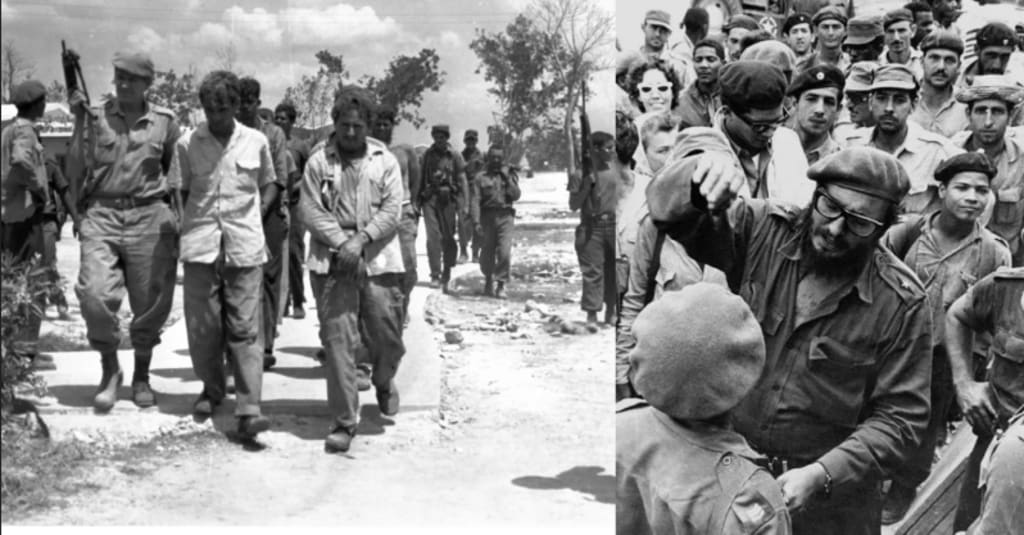
The Bay of Pigs Invasion was an unsuccessful military operation in 1961 that involved a landing by Cuban exiles on the southwestern coast of Cuba. The operation was secretly funded and directed by the United States and was intended to overthrow Fidel Castro's communist government. As the invasion occurred during the height of the Cold War, its failure had a significant impact on the relationships between Cuba, the United States, and the Soviet Union.
Efforts to remove Castro had been underway at the U.S. State Department and CIA since 1959. On April 17, 1961, the CIA launched what they believed would be the ultimate attack: a full-scale invasion of Cuba by 1,400 Cuban exiles who had received training in the United States after fleeing their homes during Castro's rise to power.
Unfortunately, the invasion was ill-fated from the outset. The exiles were vastly outnumbered by Castro's troops, and they ultimately surrendered after less than 24 hours of fighting.
Castro Takes Control
Fidel Castro, a young Cuban nationalist, led his guerrilla army into Havana on January 1, 1959, and successfully overthrew Fulgencio Batista, who was serving as the American-backed president of Cuba at the time.
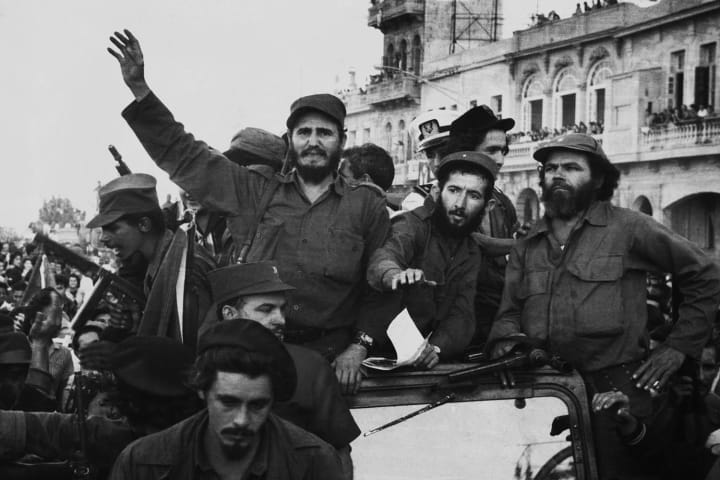
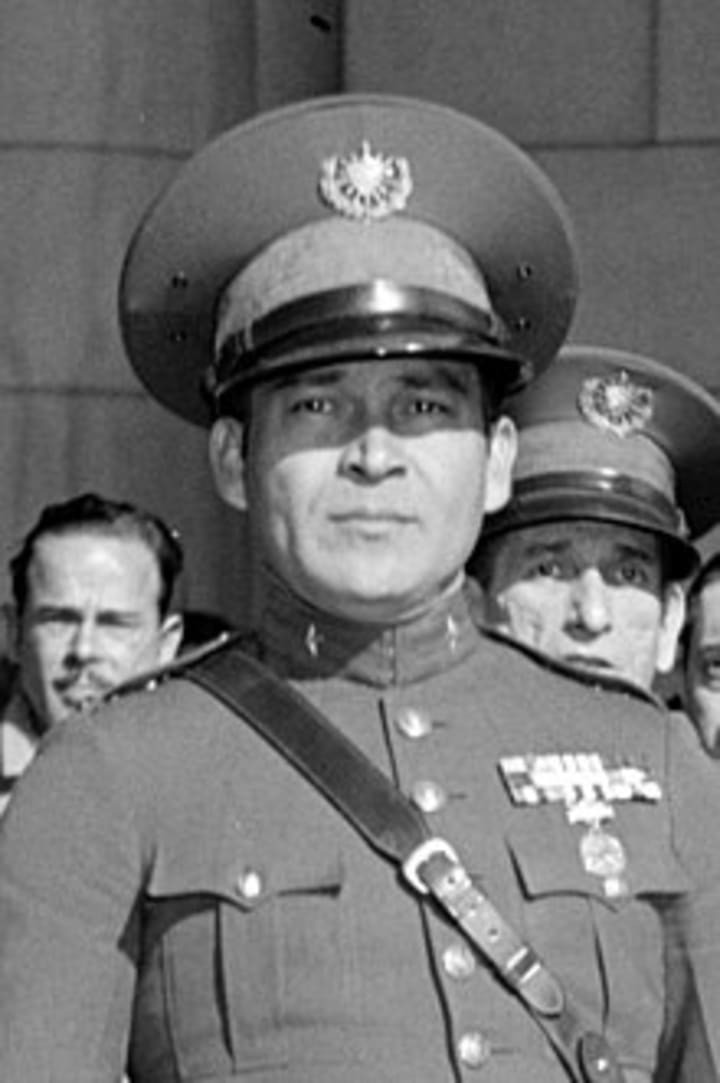
While many Cubans welcomed the overthrow of the dictatorial Batista by Castro in 1959, American officials were unsettled by the new regime just 90 miles from the United States. Although Batista had been a corrupt and oppressive dictator, he was considered pro-American and a valuable ally to U.S. corporations.
American businesses and wealthy individuals owned nearly half of Cuba's sugar plantations, as well as the majority of its cattle ranches, mines, and utilities. Batista placed few restrictions on their operations and was known for his staunch anticommunist stance.
In contrast to Batista, Castro was a communist who strongly opposed the American approach towards their business and interests in Cuba. He believed that it was necessary for Cubans to take greater control over their nation and its resources.
Fidel Castro and The United States
The US saw Castro's regime as a significant threat to its interests, to the extent that covert American operatives attempted to assassinate him.
Upon coming to power, Castro quickly implemented measures to decrease American influence in Cuba. He nationalized American-dominated industries, including sugar and mining, introduced land reform programs, and urged other Latin American governments to act with greater autonomy.
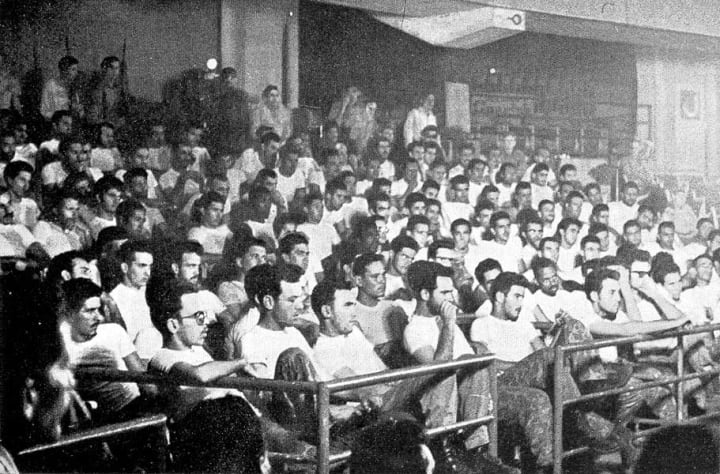
In response to Castro's efforts to reduce American influence, President Dwight D. Eisenhower authorized the CIA in early 1960 to recruit 1,400 Cuban exiles living in Miami, led by former Castro government official José Miró Cardona, and train them to overthrow Castro.
Castro's establishment of diplomatic relations with the Soviet Union in May 1960 prompted the United States to ban the importation of Cuban sugar. To prevent the Cuban economy from collapsing, as 80 percent of the country's total exports were sugar to the United States, the Soviet Union agreed to purchase the sugar instead.
President Kennedy came into office on January 20, 1961, and continued to pursue the overthrowing of Fidel Castro's government.
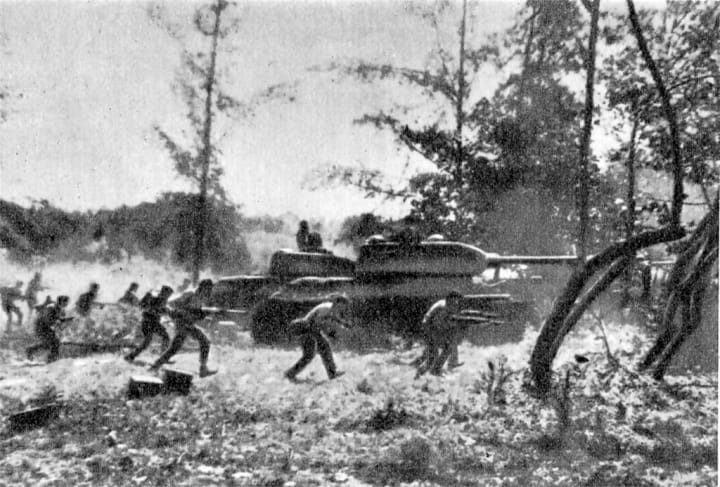
In January 1961, the U.S. government cut diplomatic ties with Cuba and intensified its preparations for an invasion.
Kennedy inherited Eisenhower's CIA program to train and equip a guerrilla army of Cuban exiles, but he had reservations about the plan. He was determined to avoid any direct military intervention by the United States, as he believed that the Soviets might see it as an act of war and retaliate. CIA officers, however, assured him that they could keep American involvement in the invasion discreet, and that it would incite an anti-Castro uprising on the island if all went according to plan.
The Bay of Pigs Invasion
The initial phase of the invasion plan was to eliminate Castro's small air force, which would make it impossible for his military to resist the invaders. On April 15, 1961, a group of Cuban exiles departed from Nicaragua in a fleet of American B-26 bombers, disguised as Cuban planes that had been stolen, and launched an attack on Cuban airfields.
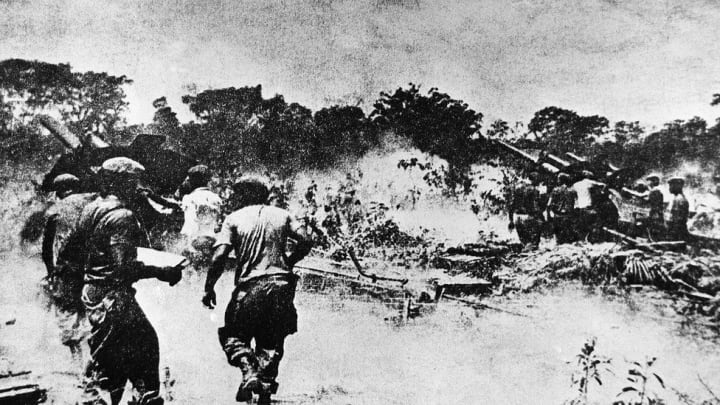
Unfortunately, Castro and his advisors had been made aware of the raid and had relocated their planes out of harm's way. Kennedy grew increasingly frustrated.
On April 17, the Cuban exile brigade commenced their invasion at a remote location on the southern coast of the island, known as the Bay of Pigs.
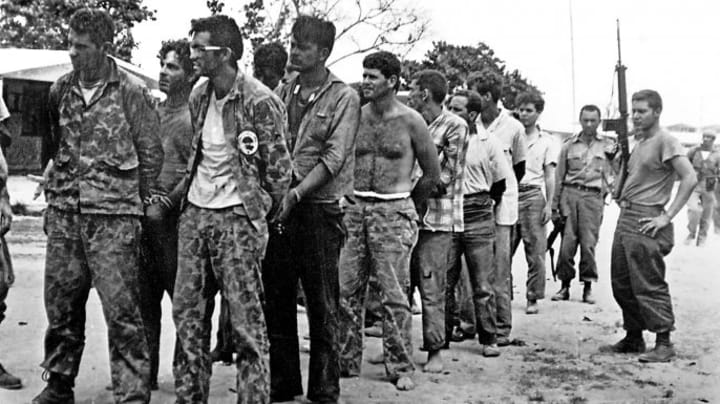
The invasion quickly turned into a catastrophe. The CIA had intended to keep it a secret as long as possible, but a radio station on the beach (which the agency's reconnaissance team had failed to detect) broadcasted every detail of the operation to listeners across Cuba.
Castro's troops soon cornered the invaders on the beach, and the exiles surrendered after less than a day of fighting. The death toll was 114, and over 1,100 were taken prisoner.
On December 21, 1962, Castro and the U.S reached agreement to exchange 1,113 prisoners for $53 million worth of food and medicine..
About the Creator
Rare Stories
Our goal is to give you stories that will have you hooked.
This is an extension of the Quora space: Rare Stories
X(formerly Twitter): Scarce Stories
Writers:
....xoxo
Keep reading
More stories from Rare Stories and writers in FYI and other communities.
How The "Oldest Man in Japan was Discovered To Have Died 30 Years Prior
Sogen Kato, born on July 22, 1899, was believed to be the oldest man in Tokyo until his mummified remains were discovered in his bedroom in July 2010. It was determined that he most likely passed away in November 1978, at the age of 79, and his family had kept his death a secret.
By Rare Stories3 years ago in FYI


Comments
There are no comments for this story
Be the first to respond and start the conversation.