
The art of capturing Earth's rain by Indian perfumers
Ancient way of creating perfume

The art of capturing Earth's rain by Indian perfumers
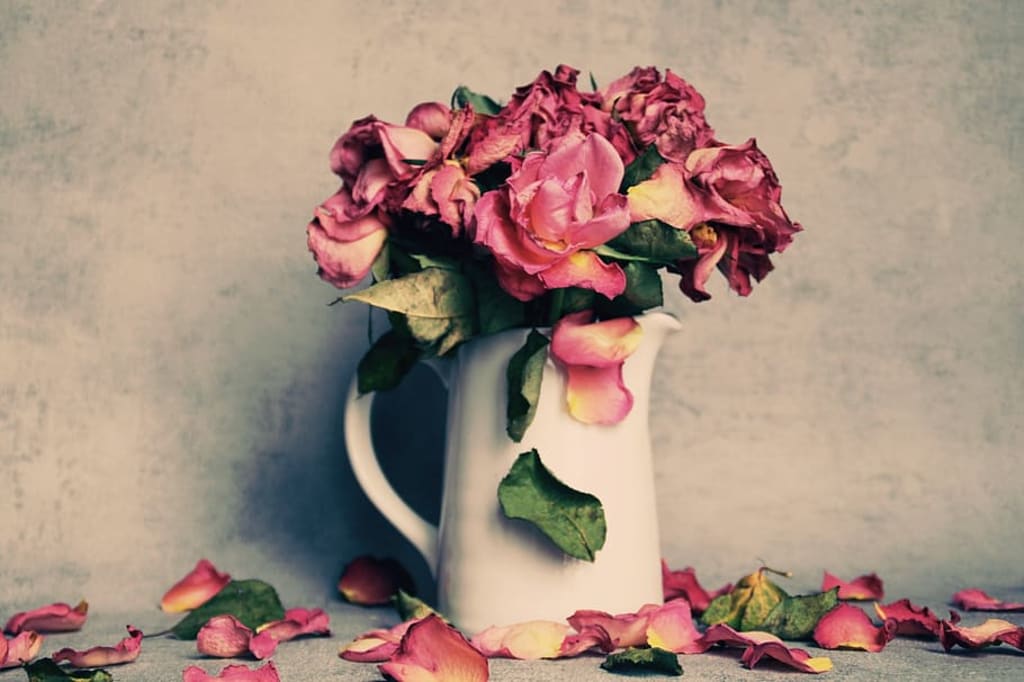
This ancient way of creating perfume uses fresh roses as its principal component; the tradition dates back thousands of years.
The result is 100 percent pure perfume, and this little town Kannauj,a city in Uttar Pradesh, in India acts as one of the few places that still creates it this way. However, what makes the attar unique is also what is causing its demise. There is still a trade like this, but it is labor-intensive and difficult to maintain.
In this distillery, which is over 100 years old, workers set up copper containers or dates and fill them with just the right amount of water—about 80 kilograms—and deliver the roses to distilleries while they are still fresh. This distillery is without electricity or industrial machinery.
It is essential to the procedure that the flowers are thoroughly weighed once they arrive. An accurate ratio is the key.
They carry and pour the flowers into the degs because they are uniformly distributed. Then they close the rim of the container with a clay and cotton combination as the petals start to leak into the water.
Once the firewood is lit inside the earthen oven known as the patty, the alchemy starts. The heat boils the water and flowers until steam is released. As the steam passes through the hollow bamboo pipe known as the changa and into the papka, a smaller container filled with sandalwood oil that serves as the foundation of the attar, the steam condenses. Over the course of six hours, every last drop of scented water will gather here.
Workers monitor the fire to make sure that the degs are warm enough to create steam but not too warm as this can destroy the scent. They also have to make sure the bhapka stays cool enough to turn the steam back into liquid. This is a job that requires a lot of patience as well as a lot of time and effort as the input has to be consistent and the end product is an all-natural total free of artificial or alcoholic ingredients.
A scent that can linger for days here they make over 15 different types of oils but one of their most prized is mitti atar literally meaning earth perfume. Let's say there is rain on dry purged earth and you know the smell, the sweet soothing smell that's the scent that you can anticipate from other methods.
In the same way that they did with the roses, they crush old clay pots that were once used for tea or spices in order to imitate the aroma of the land. While rosetta is made in a day, others can take weeks or even months to produce; they are distilled and redistilled until the smell is potent enough; the last step is the bottling process; it's also old school using a funnel and a bucket; every tiny bottle is filled by hand; and expensive attars are made. The expense of the raw materials makes it difficult to produce even small amounts.
In the last 20 years, 80 percent of India's traditional distilleries have closed down, and as a result, young, brand-conscious Indians primarily use western perfumes. As a result, the people of Kannauj have felt the decline, and as a result, the entire town is engaged in the perfumery business. Its said that 80 to 85 percent of the people living in the industry in the town are associated with the perfume.
Additionally, outside of India, these chemical-free attars are well-liked in the Middle East. European fragrance houses have been importing uttar to employ it as an element in their contemporary fragrances, revitalising an old business.
Recreating rain's smell on earth is a great accomplishment.
About the Creator
MJ
There is only one plot.. Things are not what they seem....


Comments
There are no comments for this story
Be the first to respond and start the conversation.