
Talking to AI: A New Era of Conversations
Why AI Feels Easier to Talk to Than People?

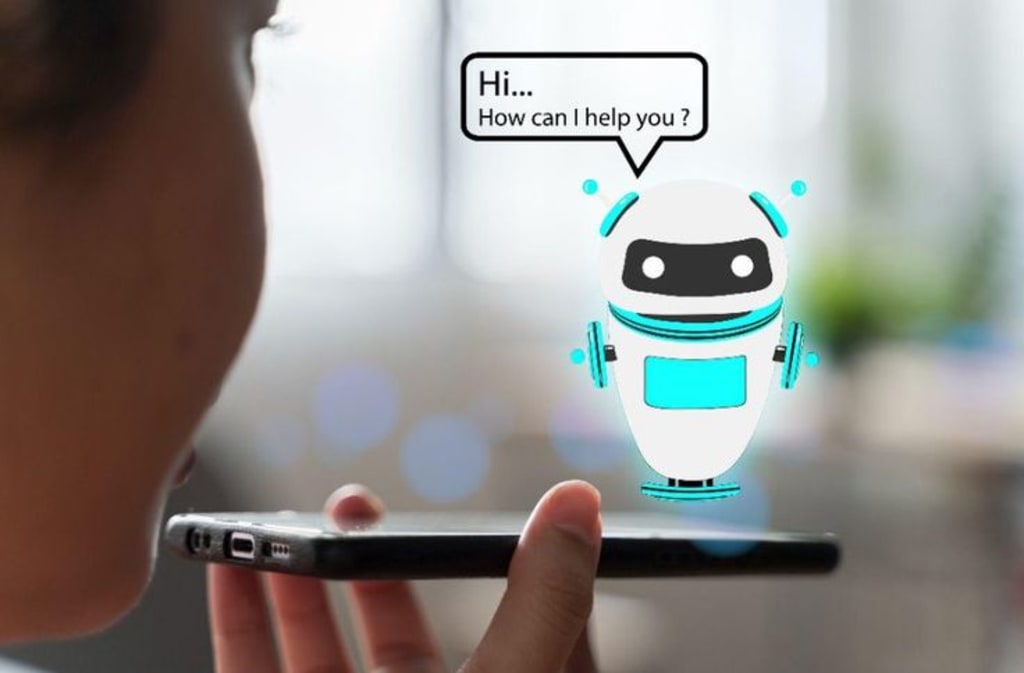
Life can be unpredictable, and relationships with people often come with challenges. We seek understanding, support, and connection from others, but sometimes, that connection feels distant or even disappointing. In today’s fast-paced world, many are turning to Artificial Intelligence (AI) for conversations that feel responsive, judgment-free, and surprisingly comforting. Let’s explore why more people are opening up to AI and what this trend means for our emotional well-being and human relationships.
The Allure of Talking to AI
AI chatbots and assistants are no longer just tools for finding information or setting reminders. They’ve evolved into companions capable of holding conversations, offering advice, and even empathizing with emotions. So, what’s driving people to confide in AI?
- Responsiveness Without Judgment: Unlike humans, AI doesn’t get tired, impatient, or distracted. It responds promptly and never judges, no matter how complex or personal the topic. For someone facing repeated misunderstandings or criticisms from others, this level of neutrality can feel like a breath of fresh air.
- Always Available: Unlike human friends who may be busy or unavailable, AI is accessible 24/7. Whether it’s midnight or early morning, you can always start a conversation without worrying about bothering anyone.
- Safe Space for Vulnerability: Sharing feelings with someone comes with the fear of being judged or having your trust broken. With AI, users feel safer expressing emotions and thoughts without the fear of gossip or backlash.
- Customizable Interactions: Many AI platforms are designed to adapt to your communication style. Some even add a touch of humor or creativity, making conversations feel engaging and personal.
The Hidden Pain Behind AI Conversations
Many who seek comfort in AI often have one thing in common: they’ve felt let down by the people around them. Whether it’s unreciprocated empathy, constant misunderstandings, or the feeling of being invisible, the pain is real.
Humans are complex. They bring emotions, biases, and past experiences into every interaction. While this makes our relationships dynamic and meaningful, it also leaves room for miscommunication and hurt. AI, on the other hand, feels predictable and uncomplicated—a refuge for those craving consistency.
But this growing reliance on AI as a confidant also raises important questions. Are we replacing human connection with algorithms? Are we losing the patience and effort required to nurture real relationships?
The Benefits and Risks of AI as a "Listener"
Talking to AI isn’t inherently bad—it can provide emotional support and even encourage self-reflection. However, it’s important to be mindful of its limitations. Here are some pros and cons to consider:
Pros:
- Emotional Outlet: For those who struggle to find a supportive ear, AI offers a way to release emotions and process feelings.
- Practical Advice: Some AI platforms are equipped to provide guidance, whether it’s advice on managing stress or organizing your day.
- Self-Reflection: Interacting with AI can sometimes lead users to insights about themselves, simply by articulating their thoughts.
Cons:
- Lack of Genuine Empathy: While AI can mimic empathy, it doesn’t truly understand emotions. The comfort it provides is surface-level and programmed.
- Potential Isolation: Relying too much on AI might discourage people from seeking human connection, leading to loneliness in the long run.
- Data Privacy Concerns: Conversations with AI are often stored and analyzed. Without proper safeguards, this could put sensitive information at risk.
Rekindling Trust in Humanity
While AI offers a convenient alternative, it’s important not to give up on human relationships entirely. Here’s how you can balance the two:
- Acknowledge Your Feelings: It’s okay to feel disappointed by people sometimes. Recognizing your emotions is the first step toward healing and understanding.
- Set Realistic Expectations: Remember that everyone, including yourself, is imperfect. Mistakes and misunderstandings are part of being human.
- Communicate Openly: Instead of bottling up frustrations, try expressing your feelings constructively to those around you. Sometimes, people are willing to change—they just need to know how you feel.
- Use AI as a Supplement, Not a Replacement: Lean on AI for practical advice or a quick chat, but continue building and nurturing human connections. Relationships, though imperfect, are deeply rewarding when given a chance.
Final Thoughts
Turning to AI for conversations is a fascinating sign of how technology is evolving to meet our emotional needs. It’s a tool that can provide comfort, perspective, and even a little entertainment. But at its core, AI is just that—a tool.
Human connections, with all their flaws and unpredictability, bring depth and meaning to our lives. While AI can fill gaps when we feel alone, it can never replace the warmth of shared laughter, the understanding in a friend’s eyes, or the lessons we learn from navigating real relationships.
So, go ahead—chat with AI when you need to. But don’t forget to keep your heart open to the messy, beautiful world of human connection. After all, imperfection is what makes us truly alive.



Comments
There are no comments for this story
Be the first to respond and start the conversation.