
T-Cell Mediator Rejection:
Understanding the Immune System's Defense Against Transplants
Introduction
Transplantation is a medical procedure that involves the replacement of a damaged or diseased organ or tissue with a healthy one from a donor. It has saved countless lives and improved the quality of life for many individuals. However, one of the main obstacles in transplantation is the body's immune system, which can reject the transplanted tissue or organ. T-cell mediator rejection is a type of rejection that occurs when T-cells, a type of white blood cell, attack the transplanted tissue. This type of rejection is typically seen in solid organ transplants, such as heart, lung, and kidney transplants, and it can also occur in bone marrow transplants. In this article, we will explain the role of T-cells in the immune system, what T-cell mediator rejection is, the symptoms and diagnosis, and the treatment options available.
What are T-cells?
T-cells, also known as T-lymphocytes, are a type of white blood cell that play a crucial role in the immune system. They are responsible for identifying and destroying foreign invaders, such as viruses and bacteria, as well as cancer cells. T-cells are produced in the bone marrow and mature in the thymus. They are divided into two main subtypes: CD4+ T-cells, also known as helper T-cells, and CD8+ T-cells, also known as cytotoxic T-cells.
Helper T-cells, also known as CD4+ T-cells, are responsible for coordinating the immune response. They help to activate and regulate other immune cells, such as B-cells and macrophages, to fight off foreign invaders. Cytotoxic T-cells, also known as CD8+ T-cells, are responsible for directly killing foreign invaders and cancer cells. They do this by recognizing and binding to specific proteins, called antigens, on the surface of the invading cells.
What is T-cell Mediator Rejection?
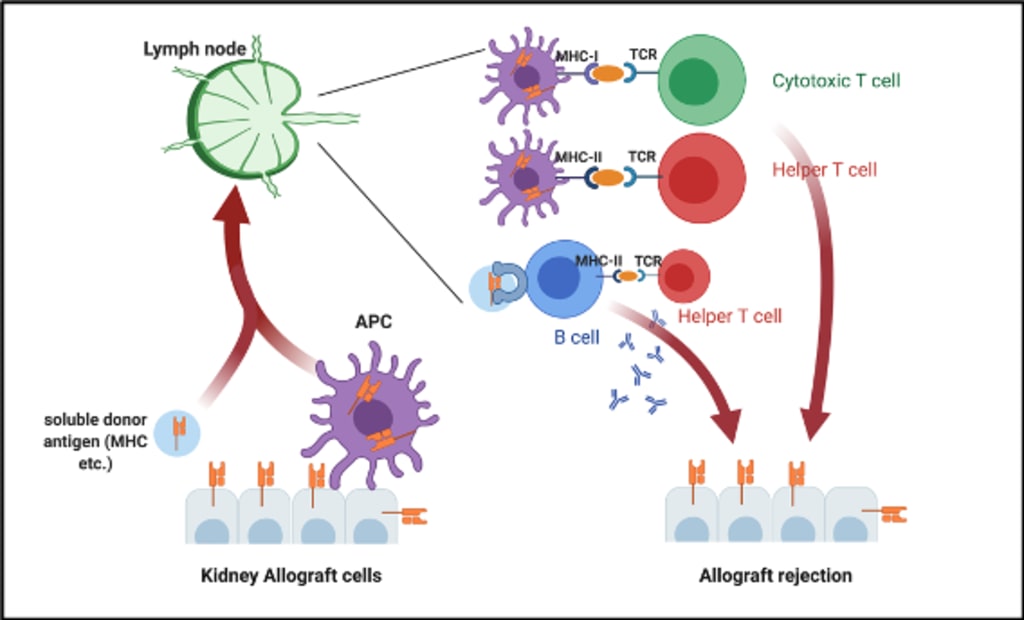
T-cell mediator rejection is a type of transplant rejection that occurs when T-cells recognize the transplanted tissue as foreign and attack it. This type of rejection is typically seen in solid organ transplants, such as heart, lung, and kidney transplants. It can also occur in bone marrow transplants. T-cell mediator rejection is a serious complication and can lead to the failure of the transplanted organ or tissue.
When an organ or tissue is transplanted, the recipient's immune system recognizes the transplanted cells as foreign and mounts an immune response against them. In some cases, the immune response is not strong enough to cause rejection, and the transplant is successful. In other cases, the immune response is strong, and the transplant is rejected. T-cell mediator rejection is caused by T-cells recognizing the transplanted tissue as foreign and attacking it. This leads to inflammation and damage to the transplanted tissue, which can eventually lead to its failure.
Symptoms and Diagn
The symptoms of T-cell mediator rejection vary depending on the type and location of the transplanted organ or tissue. Common symptoms include fever, pain, and inflammation at the transplant site, as well as decreased function of the transplanted organ or tissue. A biopsy of the transplanted tissue is typically performed to diagnose T-cell mediator rejection.
A biopsy is a procedure in which a small sample of tissue is removed from the transplant site and examined under a microscope. The biopsy will show if there is inflammation and damage to the transplanted tissue, which can indicate T-cell mediator rejection.
Treatment
The treatment of T-cell mediator rejection involves the use of immunosuppressive drugs to suppress the immune system and prevent it from attacking the transplanted tissue. These drugs can include corticosteroids, calcineurin inhibitors, and anti-T-cell antibodies. In some cases, a second transplant may be necessary if the first one fails.
Conclusion
T-cell mediator rejection is a serious complication of transplantation that occurs when T-cells attack the transplanted tissue. It is a challenging issue and requires careful management with immunosuppressive drugs to prevent the transplant failure. With the advancements in medical technology, research is being conducted to improve the outcomes of transplantation and to reduce the risk of rejection.
About the Creator
Keep reading
More stories from 20CS063- Kishor Kumar.R and writers in FYI and other communities.
Exorcism
Introduction Exorcism is a religious practice that involves the expulsion of evil spirits or demons from a person or place. The practice has its roots in ancient cultures and has been present in many religions throughout history, including Christianity, Judaism, and Islam. In recent times, the topic of exorcism has been the subject of much debate and controversy. In this article, we will discuss the history and practice of exorcism, the controversy surrounding it, and the psychological explanations for possession.
By 20CS063- Kishor Kumar.R3 years ago in Horror
A Failed Artist, A Disillusioned Poet, An Underpaid Game Show Host
I took my son and niece to Gori, a small town in Georgia where Joseph Stalin was born. They talked me into visiting the Stalin's Museum, the largest in the post-Soviet space. I had resisted going there because I just can't stand the monster and know enough about him, or so I thought.
By Lana V Lynx18 days ago in FYI
Mystical Manifestation Mantra in Search of Soul Mates and Twin Flames
Love is one of the most profound human desires. Many seek a soul mate, a companion who resonates deeply with their heart and soul, while others are drawn to a twin flame, a unique spiritual counterpart whose energy mirrors their own. These connections are not merely random—they require conscious alignment of the mind, heart, and universe. Mystical manifestation mantras have emerged as powerful tools for attracting these deep, transformative connections into one’s life.
By Zahid Hussainabout 13 hours ago in FYI



Comments
There are no comments for this story
Be the first to respond and start the conversation.