
Specialized Audio ICs: Amplifiers, Codecs, and DSPs for High-Fidelity Sound
Learning specialized audio ICs, including amplifiers, codecs, and DSPs in consumer electronics, automotive audio, and professional equipment.
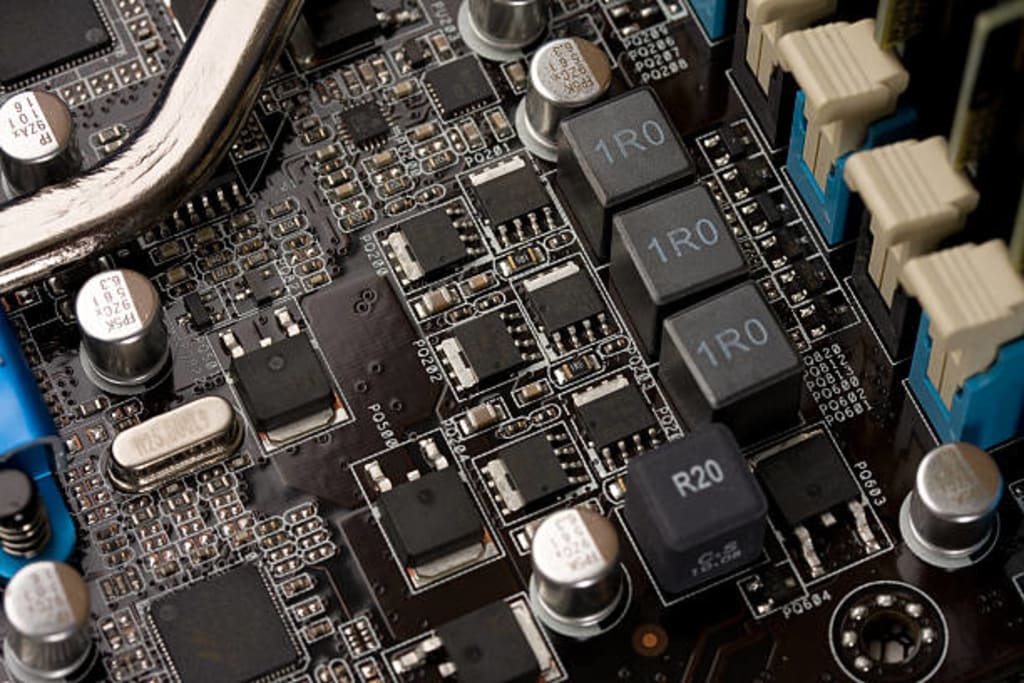
Modern audio systems, whether in consumer electronics, automotive environments, or professional sound equipment, depend heavily on specialized integrated circuits (ICs) to process, convert, and amplify sound. Specialized audio ICs, such as amplifiers, codecs, and digital signal processors (DSPs), play a crucial role in delivering high-quality, reliable sound in various applications. This blog post provides a comprehensive overview of the types of audio ICs, their functionalities, and tips for designing high-fidelity audio systems using these components.
Overview of Audio ICs and Their Role in Modern Sound Systems
Audio ICs are dedicated components designed to handle different aspects of sound processing and conversion in electronic devices. These specialized ICs are tailored to improve audio quality, reduce noise and distortion, and provide flexibility in audio signal management. The main role of audio ICs is to ensure high-fidelity sound reproduction, whether you're working with analog or digital audio.
In modern sound systems, audio ICs perform various key functions:
Amplification: Boosting the power of an audio signal without adding distortion.
Conversion: Converting between analog and digital audio signals using DACs and ADCs.
Signal Processing: Manipulating sound using DSPs to improve clarity, apply effects, and manage audio dynamics.
Types of Audio ICs: Amplifiers, DACs, Codecs, and DSPs
Each type of audio IC has a specific role in the audio signal chain. Below is an in-depth explanation of the different types of audio ICs and their key applications.
1. Operational Amplifiers (Op-Amps) for Audio:
Operational amplifiers are essential for audio amplification and are used to increase the voltage or current of an audio signal. Op-Amps are present in various stages of an audio system, including preamplifiers, tone control circuits, and power amplifiers.
Key Characteristics:
High input impedance and low output impedance for signal integrity.
Low distortion and noise for clean audio reproduction.
Wide bandwidth for handling a broad range of audio frequencies.
Applications:
Preamplifiers: Used to amplify weak audio signals from microphones or musical instruments.
Equalizers and Tone Control: Shape the sound by adjusting bass, midrange, and treble frequencies.
Headphone Amplifiers: Boost audio signals to drive headphones with optimal clarity and volume.
2. Digital-to-Analog Converters (DACs):
DACs are used to convert digital audio signals into analog form, which is necessary for playback through speakers or headphones. As modern audio systems are increasingly digital, high-quality DACs are crucial for ensuring that the digital sound data is accurately converted into high-fidelity analog audio.
Key Characteristics:
High resolution (e.g., 24-bit) for better sound detail.
High sampling rates (e.g., 96 kHz, 192 kHz) for smoother audio reproduction.
Low total harmonic distortion (THD) for clean signal conversion.
Applications:
Digital Audio Players (DAPs): Convert digital music files into analog signals for output through headphones or speakers.
Home Audio Systems: DACs are used to decode digital audio from sources like CDs, streaming services, or optical discs.
Smartphones: Convert digital audio from apps or files to analog signals for playback through earphones or speakers.
3. Audio Codecs (Encoder/Decoder):
Audio codecs are integrated circuits that handle both digital-to-analog conversion (DAC) and analog-to-digital conversion (ADC), allowing them to encode analog audio into a digital signal and decode digital audio into analog form. Codecs are widely used in devices that record and playback sound.
Key Characteristics:
Support for multiple audio formats (MP3, AAC, FLAC, etc.).
Built-in signal processing for echo cancellation, noise reduction, and dynamic range control.
Energy-efficient designs for use in portable and battery-powered devices.
Applications:
Smartphones and Tablets: Codecs manage audio input from microphones and convert digital audio for playback through speakers.
Teleconferencing Systems: Capture voice input, convert it into digital signals for transmission, and decode incoming audio for playback.
Voice Assistants and Smart Speakers: Handle voice input, processing, and playback.
4. Digital Signal Processors (DSPs):
DSPs are highly specialized ICs designed to perform real-time processing of audio signals. They apply complex algorithms to audio data, allowing for noise suppression, echo cancellation, equalization, and other forms of audio manipulation.
Key Characteristics:
High processing power for real-time audio effects and enhancements.
Flexibility in applying custom algorithms for tasks like audio mixing, compression, and signal filtering.
Low latency processing, essential for real-time applications such as live sound systems or gaming audio.
Applications:
Automotive Audio Systems: DSPs are used to adjust sound profiles based on the car's acoustics, optimizing sound for different environments.
Professional Audio Equipment: DSPs manage complex audio tasks, such as mixing and mastering in recording studios.
Home Theaters: DSPs help process surround sound formats (e.g., Dolby Atmos, DTS) to deliver immersive audio experiences.
Applications in Consumer Electronics, Automotive Audio Systems, and Professional Sound Equipment
Audio ICs are found in a wide range of applications, from everyday consumer electronics to specialized professional audio gear. Below are some of the common applications of these ICs in various industries.
1. Consumer Electronics:
In devices like smartphones, tablets, laptops, and smart speakers, audio ICs (amplifiers, codecs, and DACs) are crucial for processing high-quality sound for media playback and voice communication. DSPs enhance sound quality by reducing noise and improving voice clarity in portable electronics.
2. Automotive Audio Systems:
Automotive audio systems rely on advanced DSPs, amplifiers, and codecs to manage multi-channel audio, optimize in-car acoustics, and provide features like noise cancellation. DSPs allow for precise tuning of car sound systems to match the acoustics of different car models.
3. Professional Sound Equipment:
In professional audio environments, such as recording studios, concert venues, and broadcasting, high-end audio ICs are used to ensure the most accurate and clear sound reproduction. DSPs in this field are key to applying real-time effects and managing multi-track recordings.
Tips for Designing High-Fidelity Audio Systems with Specialized ICs
Building high-fidelity audio systems requires careful attention to selecting the right components and ensuring signal integrity throughout the design. Below are some key considerations when working with specialized audio ICs.
1. Minimizing Noise and Distortion:
Use High-Quality Op-Amps and DACs: Ensure that the operational amplifiers and DACs used in your design have low noise and low distortion characteristics to maintain clean audio signals.
Proper Grounding and Shielding: Use proper grounding techniques and shield sensitive analog signals from interference to prevent noise and signal degradation.
2. Optimizing Signal Processing with DSPs:
Leverage DSPs for Real-Time Effects: DSPs allow for advanced audio manipulation, such as applying real-time equalization, dynamic range compression, and spatial audio effects. Use them to enhance sound quality and match the intended listening experience.
Consider Latency: For applications like live sound or gaming, ensure that the DSPs you use have low-latency performance to maintain synchronization between audio and video.
3. Choosing the Right Codec for Versatile Audio Handling:
Support for Multiple Audio Formats: When designing devices that handle various media sources, ensure that the audio codec supports the necessary audio formats, including compressed formats like MP3 and lossless formats like FLAC.
Power Efficiency: For portable devices, select codecs with energy-efficient designs to prolong battery life without sacrificing audio quality.
4. Maintaining Audio Fidelity in DACs:
High-Resolution DACs for Better Sound Quality: Use DACs with high bit depth (e.g., 24-bit) and high sampling rates to ensure accurate sound reproduction, especially for high-fidelity audio systems.
Avoid Clipping and Distortion: Ensure that the DAC's output is properly matched to the amplifier's input to prevent clipping and distortion.
Conclusion
Specialized audio ICs, including amplifiers, DACs, codecs, and DSPs, form the backbone of modern audio systems, offering precise control and manipulation of sound. By understanding the role of these components and incorporating them into your designs, you can achieve high-fidelity audio across a wide range of applications, from consumer electronics to professional sound equipment. Careful component selection, attention to signal integrity, and proper integration of DSP algorithms will ensure that your audio systems deliver top-tier sound quality.
About the Creator
Why Aviation Prioritizes Reliability Over Innovation Speed
In many industries, speed defines success. New features, faster rollouts, and rapid innovation are celebrated as competitive advantages. Aviation, however, operates under a very different philosophy. In aerospace engineering, reliability always comes before innovation speed, because even small uncertainties can have serious consequences at 35,000 feet.
By Beckett Dowhan3 days ago in FYI



Comments
There are no comments for this story
Be the first to respond and start the conversation.