
Slothful Avocado Spread: Myth or Reality?
"Avocado Origins: Separating Fact from Fiction"
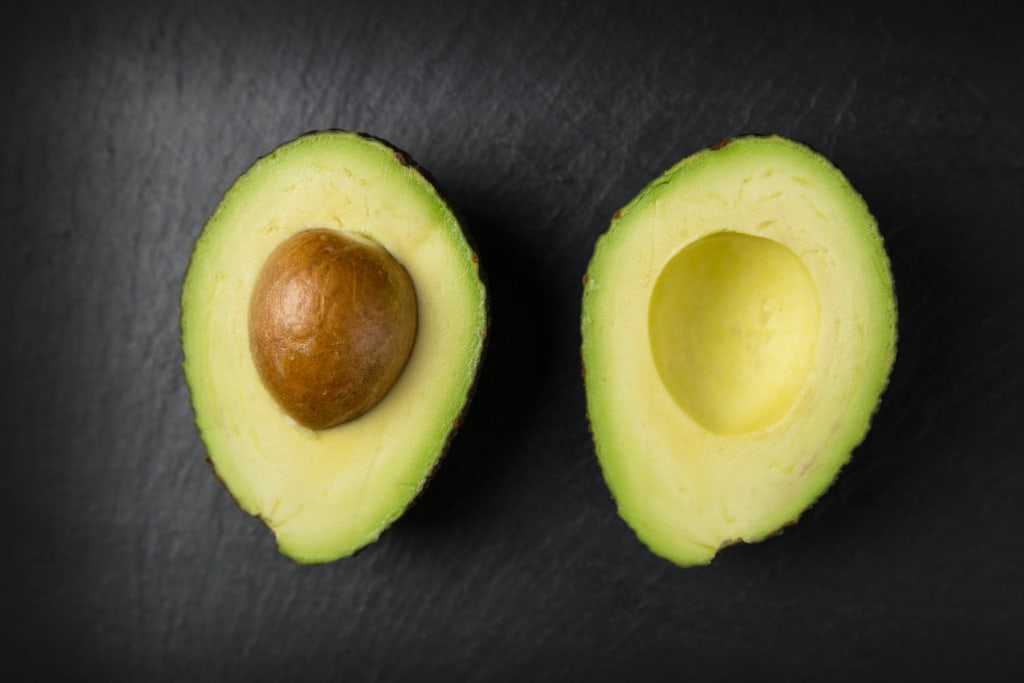
If you're an avocado enthusiast—and let's be honest, who isn't?—you may have come across the intriguing notion that these creamy delights owe their existence to prehistoric behemoths known as giant ground sloths. However, the story linking avocados to these massive creatures lacks substantial evidence. In this exploration, we'll delve into the origins of this myth and uncover the real journey of avocados to our plates.
Avocado aficionados often hear the captivating tale that giant ground sloths played a pivotal role in the spread of avocados. The narrative suggests that these colossal creatures ingested avocados, subsequently dispersing their seeds across North and South America during the Pleistocene. However, this widely accepted notion is shrouded in uncertainty and lacks concrete evidence.
The origin of the giant ground sloth theory can be traced back to the 1980s, when a hypothesis regarding Costa Rican plants proposed the idea of large animals as seed dispersers. Subsequently, another paper in the same era speculated that ground sloths might have been the dispersers for avocados, sparking the now-prevalent myth. Surprisingly, neither of these papers presented any data on sloths or avocados.
Despite the myth's popularity, no study or project has unearthed evidence supporting the idea that sloths consumed avocados. To substantiate the connection, one would need to find fossilized remains of both sloths and avocados in the archaeological record from approximately 2.58 million to 11,700 years ago. Unfortunately, such evidence remains elusive, and there's no trace of avocado in sloth coprolites.
Recent scientific methods have provided insights into the diets of ground sloths, revealing preferences for bushy plants, grasses, and shrubs. However, none of the analyses point towards avocados, and the megafauna argument faces challenges. Avocado pits from 10,000 years ago were half the size of today's seeds, suggesting that humans, rather than sloths, may have played a crucial role in the evolution of avocados.
The Mesoamericans, who cultivated avocados around 10,000 years ago, may have intentionally selected fruit with larger pits, associating them with strength. This ties back to Mayan beliefs, where avocados symbolized strength and were planted near homes for symbolic reasons. The increase in pit size over time may result from domestication practices and agroforestry techniques, challenging the myth of ground sloths as avocado dispersers.
The beloved avocado's journey to our plates likely has little to do with giant ground sloths, highlighting the importance of critically examining popular myths and unraveling the truth behind their origins.
Health Benefits :
Avocado, often hailed as a superfood, is not just a tasty addition to meals but also boasts an impressive array of health benefits. From heart health to skin nourishment, this creamy fruit is a nutritional powerhouse that deserves a place in your daily diet.
Heart Health: Avocados are rich in monounsaturated fats, particularly oleic acid, which is known to support heart health. These healthy fats help lower bad cholesterol levels (LDL) while increasing good cholesterol (HDL, the heart-friendly kind), thereby reducing the risk of cardiovascular diseases.
Nutrient-Dense: Packed with vitamins and minerals, avocados offer a concentrated source of essential nutrients. They are a good source of vitamins C, E, K, and B-6, as well as folate, magnesium, and potassium, contributing to overall well-being and immune system support.
Weight Management: Despite their creamy texture, avocados can be beneficial for weight management. The combination of fiber and healthy fats helps promote a feeling of fullness, reducing the likelihood of overeating and supporting weight-loss efforts.
Improved Digestion: Avocados are an excellent source of dietary fiber, which aids in digestion and helps maintain a healthy digestive system. Fiber promotes regular bowel movements, preventing constipation and supporting the balance of gut bacteria.
Vision Protection: Loaded with antioxidants such as lutein and zeaxanthin, avocados contribute to eye health by protecting against age-related macular degeneration and cataracts. These antioxidants are crucial for maintaining good vision over time.
Skin Nourishment: The abundance of vitamins and antioxidants in avocados extends benefits to the skin. They may help reduce the signs of aging, improve skin elasticity, and promote a healthy complexion. Some people even use mashed avocado as a natural face mask for external skin nourishment.
Blood Sugar Regulation: The monounsaturated fats in avocados, combined with their low carbohydrate content, can contribute to better blood sugar regulation. This makes avocados a suitable food choice for individuals managing diabetes or those aiming to stabilize blood sugar levels.
Anti-Inflammatory Properties: Avocados contain various compounds with anti-inflammatory effects, such as phytosterols and polyhydroxylated fatty alcohols. These properties may help alleviate symptoms associated with inflammatory conditions.
Cancer Prevention: Some studies suggest that the phytochemicals and antioxidants found in avocados may play a role in cancer prevention. While more research is needed, the presence of these compounds makes avocados a promising addition to a cancer-preventive diet.
Versatile Culinary Ingredient: Beyond their health benefits, avocados are a versatile culinary ingredient. Whether sliced on toast, blended into smoothies, or incorporated into salads, their creamy texture and mild flavor make them a delicious and nutritious addition to various dishes.
Incorporating avocados into your diet can be a flavorful way to enhance your overall health, providing a host of nutrients and promoting well-being from the inside out.
About the Creator
Arthy Raj
TAKE IT LITE, AND WALK OFF FROM THAT PATH.
Outside Lands 2026: Music, Memory, and Magic
There is something different about a festival held in a park surrounded by fog. The air feels softer. The sound carries in a strange, beautiful way. Strangers stand shoulder to shoulder, waiting for a song that might stay with them for years. Outside Lands 2026 is already stirring that quiet excitement. Even before the lineup is announced, people are talking about outfits, travel plans, and who they want to see on stage. It is not just another music festival. It is a yearly ritual for thousands who return to Golden Gate Park for three days of sound, food, and shared emotion. Outside Lands 2026 promises more than performances. It promises moments.
By Muqadas khana day ago in FYI


Comments (1)
Amazing. I loved it