
Pineapple Alchemy: Fua's Green Revolution in Cleaning
"Fua: Transforming Pineapple Waste into Eco-Friendly Cleaning Solutions"
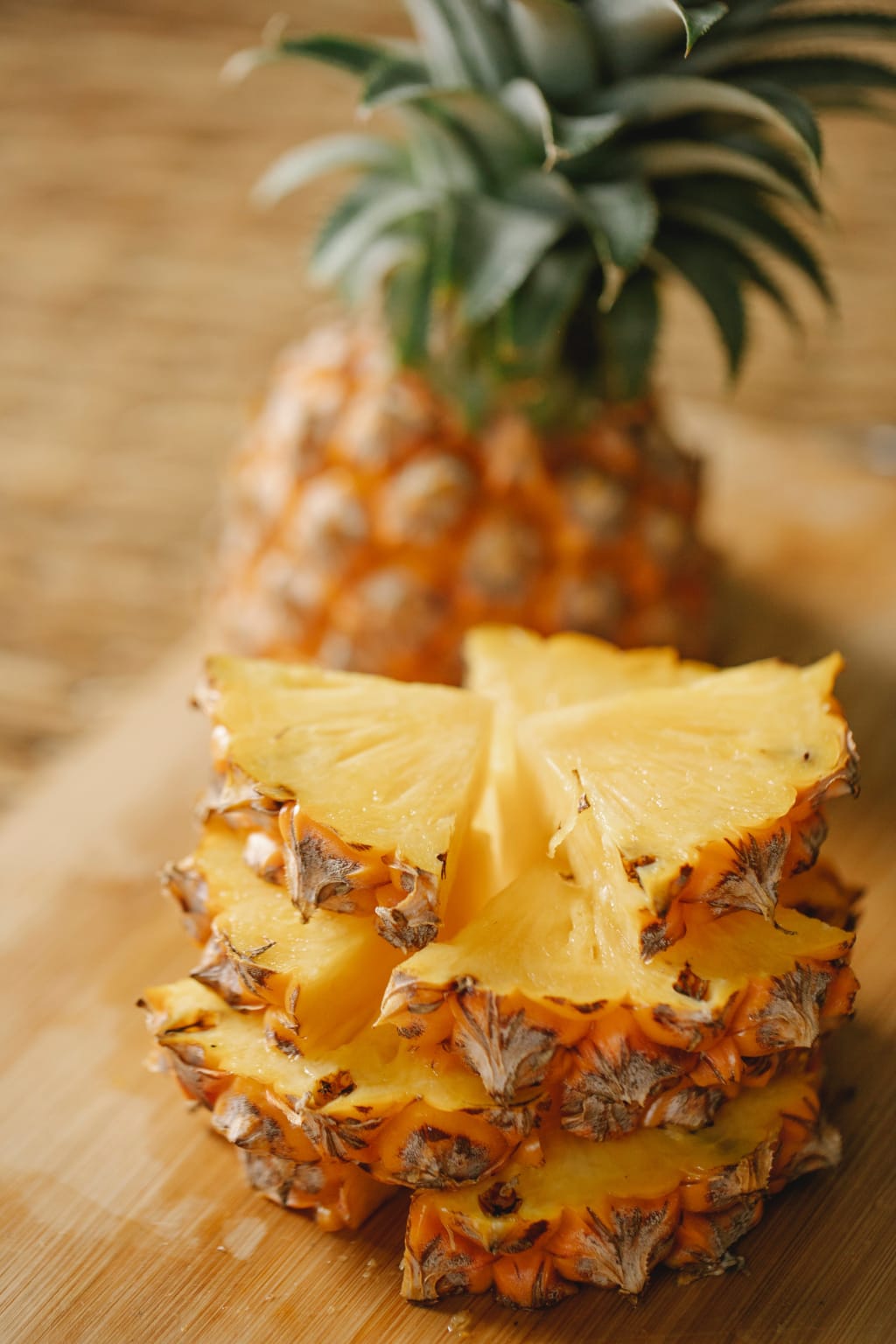
In a world where half of every pineapple ends up in the trash, one innovative company is leading the way in turning fruit scraps into natural soap and cleaners. Fua, derived from the phrase "fruit warrior," is revolutionizing the cleaning industry by harnessing the power of fermented fruit enzymes to create effective and eco-friendly household products.
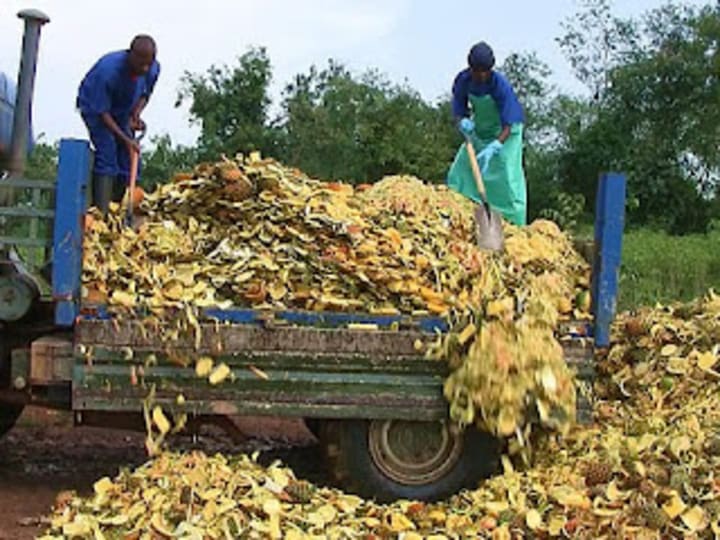
Founder DUI Huang believes in a safer alternative for both the planet and people, even going as far as consuming the products daily. The company sources fruit waste from pineapple processing factories, preventing these scraps from rotting in landfills and emitting harmful methane gases.
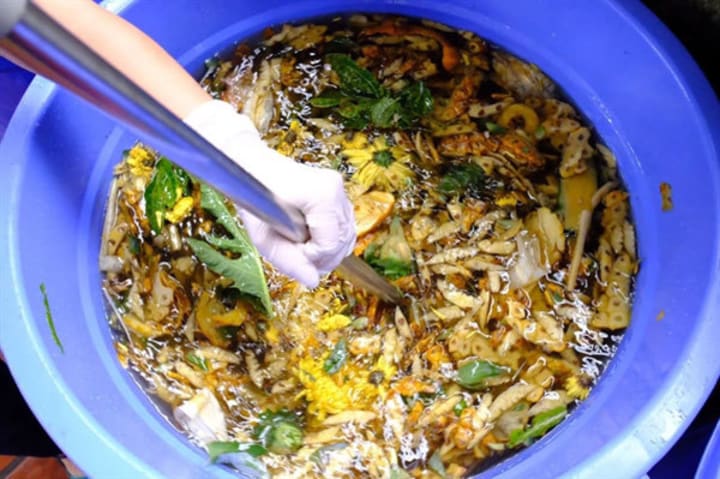
The process begins with workers washing and fermenting the pineapple peels using a carefully crafted blend of sugar and water. Fermentation, the microbial breakdown of complex molecules, transforms these waste materials into potent cleaning fluids, harnessing the power of enzymes and acids released by the pineapples.
The unique fermentation process takes approximately three months, during which workers stir the mixture daily. Once completed, the leftover solids become fertilizer for local farms, contributing to a circular and sustainable ecosystem.
Fua's commitment to transparency is evident as Huang shares the process openly, learning from a scientist and Buddhist nun who freely shared the formula. The resulting liquid is then combined with locally sourced oils and bottled, with products available in mini-marts across Vietnam and for online customers worldwide.
Not only does Fua's approach to cleaning offer an eco-friendly alternative, but early research also suggests that fruit enzymes may enhance wastewater treatment. With affordability in mind, a bottle of Fua's dish soap sells for just over two dollars, making it an accessible option for consumers.
While cleaning with fermented fruit is a new concept, studies indicate its potential effectiveness. Researchers found that a pineapple enzyme mixture performed as well as bleach in killing bacteria. However, experts emphasize the need for more extensive research to validate its efficacy across a wide range of microorganisms.
Despite potential challenges such as shelf life, Fua asserts that its products can last about two years, addressing concerns commonly associated with chemical cleaning sprays. As Fua continues its mission to reduce pineapple waste and promote a gentler alternative, the company encourages consumers to embrace a cleaner, greener future.
In a remarkable fusion of sustainability and innovation, the transformation of pineapple fruit waste into soap has emerged as a revolutionary approach, offering both environmental and practical benefits. This eco-friendly process not only addresses the issue of fruit waste but also provides consumers with a natural alternative to conventional soaps. Here's a closer look at how pineapple fruit waste is ingeniously repurposed into soap:
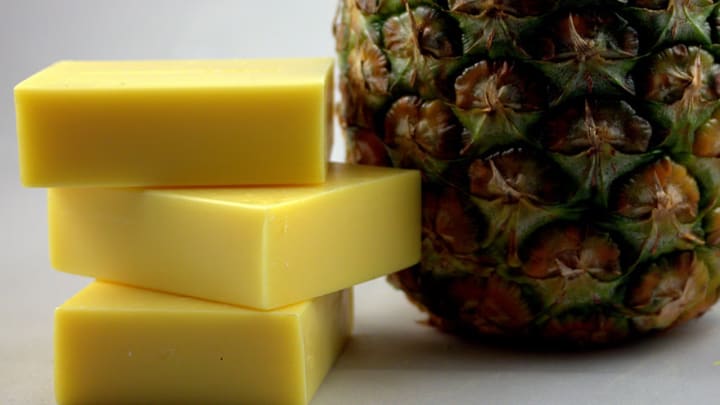
The Journey from Waste to Soap:
Waste Sourcing: The process begins at pineapple processing facilities, where tons of pineapple peels and skins are generated as byproducts.
Instead of allowing these residues to end up in landfills, forward-thinking companies intercept this waste, recognizing its potential for a sustainable transformation.
Waste Collection and Preparation: Workers meticulously collect the discarded pineapple peels, ensuring that no part of the fruit goes to waste.
The collected peels are thoroughly washed to remove any impurities, setting the stage for the subsequent stages of the process.
Fermentation: The washed pineapple peels are combined with a carefully crafted mixture of sugar and water, initiating the fermentation process.
Fermentation, a natural biological process, involves the breakdown of complex compounds into simpler substances. In this case, microbes present in the pineapple peels facilitate this transformation.
Enzyme Extraction: The magic happens during fermentation, as enzymes and acids are released from the pineapple peels.
These enzymes play a pivotal role in the cleaning properties of the soap-to-be, as they have the ability to break down substances and fight germs effectively.
Filtration and Formulation: After an optimal fermentation period, the mixture undergoes a filtration process to separate the liquid from the solid remnants.
The liquid, now enriched with natural enzymes and acids, becomes the foundational element for crafting the soap.
Combining with local resources: To enhance the soap's efficacy and eco-friendliness, local oils are incorporated into the formulation. These oils are often sourced from nearby farmers who utilize agricultural waste, creating a closed-loop system.
Quality Assurance: Rigorous testing in on-site labs ensures the effectiveness and safety of the pineapple waste-based soap.
pH levels are measured, and the absence of harmful additives is confirmed, aligning with the commitment to producing a natural and sustainable cleaning solution.
Packaging and Distribution: The final soap product is packaged and ready to hit the market, boasting not only its cleaning prowess but also its eco-conscious origins.
Distributed to local stores and sometimes even reaching global markets, these soaps offer consumers a guilt-free and planet-friendly choice.
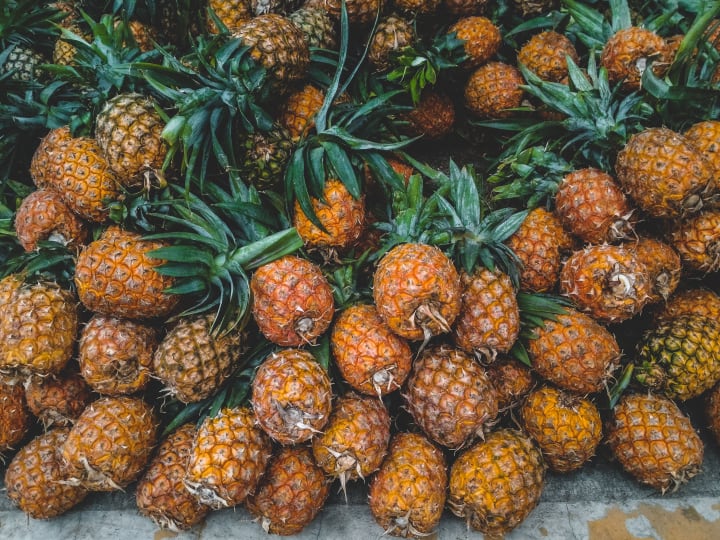
Benefits of Pineapple Waste Soap:
Sustainability: By repurposing pineapple waste, this soap contributes to reducing the environmental impact of fruit processing.
Natural Cleaning Properties: Enzymes derived from pineapple peels provide effective cleaning without the need for harsh chemicals, making it a safe option for both people and the environment.
Support for Local Agriculture: The incorporation of locally sourced oils supports nearby farmers and encourages sustainable agricultural practices.
Reduced carbon footprint: Utilizing waste materials for soap production minimizes the need for additional resources, contributing to a lower carbon footprint.
Consumer Health: The absence of synthetic additives and harsh chemicals makes pineapple waste soap a gentle option for individuals with sensitivities.
The transformation of pineapple fruit waste into soap not only tackles the issue of food waste but also exemplifies a creative and sustainable solution that aligns with the growing demand for eco-conscious products in the consumer market.
About the Creator
Arthy Raj
TAKE IT LITE, AND WALK OFF FROM THAT PATH.
Designing for the Future: How Billionaires Create Luxury Homes to Preserve Wealth for Generations
Billionaires often view luxury homes as more than impressive residences. Instead, they treat these properties as strategic assets that help preserve wealth across generations. While financial investments can fluctuate with markets, carefully designed real estate tends to maintain long-term value. Because of this stability, luxury homes often become central to wealth preservation strategies.
By Inspirata Group3 days ago in Chapters
📢 Raise Your Voice Thread: 03/05/2026
Our “Raise Your Voice Threads” are hosted most alternating Thursdays at 12PM ET to offer creators more avenues to uncover exceptional stories on Vocal. As we are continuously searching for fresh creators and inspiring stories, this thread provides an opportunity to exchange and discuss the stories that have moved and motivated us on Vocal.
By Raise Your Voice by Vocal7 days ago in Resources



Comments
There are no comments for this story
Be the first to respond and start the conversation.