
Skinwalkers – The Chilling Shape-shifting Creatures of Native American Legends
Mysteries of the Native Americans

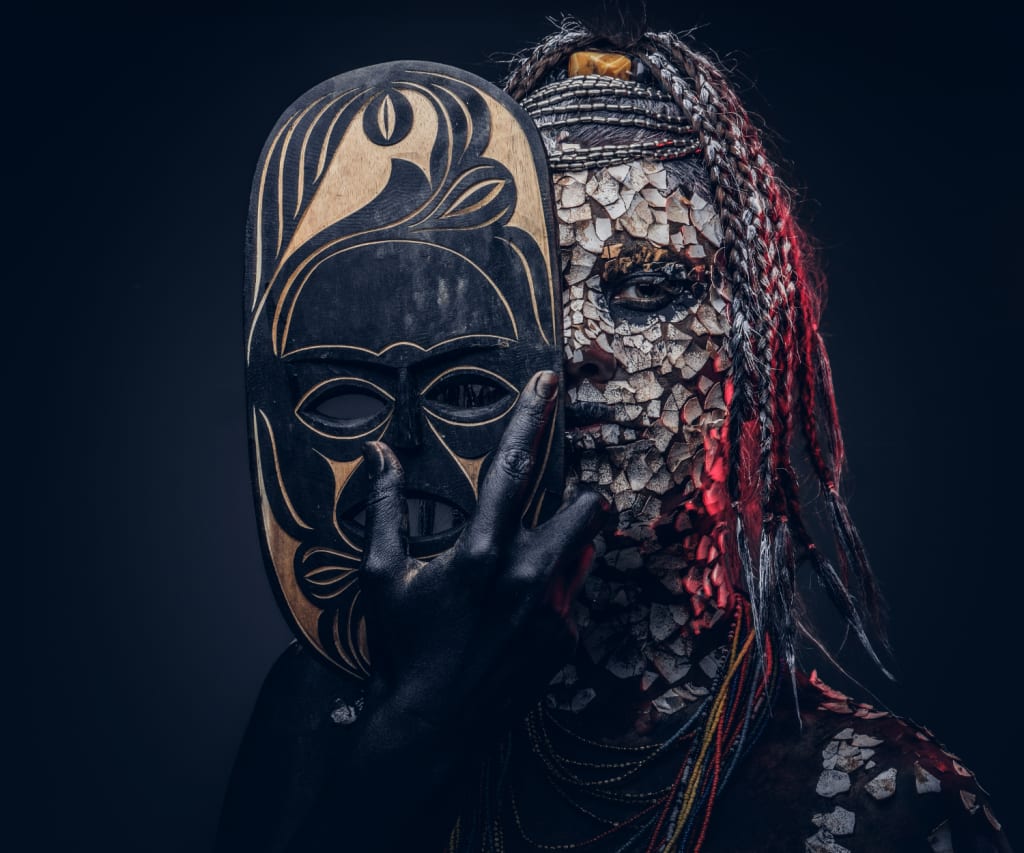
The Skinwalker, or shape-shifter, is a legendary figure found in the myths of the Navajo, Hopi, and Ute tribes. This malevolent sorcerer, according to these tales, has the ability to transform into animals or humans, using dark magic to change shape. The term "yee naaldlooshii," which means "walking on four legs," is the most common name for these malevolent witches, referring to their ability to assume the form of any living creature.
While some traditions say that the skinwalkers were once healers and doctors, they eventually succumbed to their own power, turning to the service of dark forces. One of the most frightening aspects of becoming a skinwalker is that anyone can become one, provided they have violated tribal laws or broken sacred taboos. Skinwalkers, often appearing in the form of wolves or bears, are extremely powerful beings, and they are nearly impossible to kill. The legends tell of skinwalkers not only being able to change into animals but also taking on the form of other people. To become a skinwalker, an individual must undergo years of training and initiation rituals, during which they learn the secrets of shape-shifting.
The skinwalkers are said to often appear around cemeteries, almost as if they enjoy the company of the dead. Some myths even mention that they occasionally dig up bones from the ground, which they use in various spells and curses. Many of the stories regarding these shape-shifters say that they took up shape-shifting as an evolutionary step to fight back against the oppressive white man.
Another tradition suggests that wealthy individuals in the indigenous community would occasionally leave offerings for the skinwalkers to keep them appeased. However, as time went on and these offerings ceased, the skinwalkers became enraged and turned into sworn enemies of humankind.
In modern times, there are increasing reports suggesting that skinwalkers are not just a part of Native American folklore. For example, many motorists claim to have seen shape-shifting beings moving at incredible speeds, often in areas populated by indigenous people. Eyewitnesses recount seeing these creatures appear beside moving vehicles, sometimes even outpacing them. In 1970, an anthropologist named William Morgan mentioned a conversation he had with a Navajo named Hahagok in the Yale Publications in Anthropology journal. According to Morgan, Hahagok said of the skinwalkers:
“They are very fast… They can make it to Albuquerque in an hour and a half,” which Morgan noted would take at least four hours by car.
In January of 1970, near Whitewater, New Mexico, four young people reported encountering a "hairy man" about 5 feet tall who easily kept up with their car. They increased their speed from 70 to 100 km/h, but still couldn't shake the terrifying creature. They managed to scare it off only when one of them shot at it from the vehicle.
According to belief, skinwalkers can only be defeated by using the same magic they employ, and only indigenous healers have the power to confront them with their own magic.
As one of the most mysterious and threatening figures in Native American legends, the skinwalker has also found its way into books, video games, and documentaries. The term "Skinwalker" is likely most familiar to people from the The Curse Of Skinwalker Ranch series. The show explores the numerous paranormal phenomena observed at a famous ranch in northern Utah, with the investigators attempting to uncover the truth behind them, including potential encounters with skinwalkers.
These ancient legends continue to captivate audiences, blending mystery and fear as the skinwalker myth endures in both indigenous cultures and modern media, sparking fascination and intrigue in those who seek to understand its origins and meaning. The chilling stories have inspired countless books, films, and documentaries, with each retelling adding new layers to the lore. The enduring presence of the skinwalker myth showcases its power to evoke fear and curiosity, as well as its deep roots in Native American history and spirituality.
About the Creator
3 Impossible Planets That Defy the Laws of Astronomy
For as long as humans have looked up at the stars, we’ve tried to make sense of our place in the universe. We’ve found thousands of exoplanets orbiting distant suns, and we thought we had a pretty good handle on how they formed.
By Areeba Umair3 days ago in FYI
How to Succeed at the Benson Directory®
Congratulations and welcome to the Benson Directory® employee #22391! As our newest call handler, you will have the privilege of speaking with dozens of unique and interesting people on a daily basis as well as the opportunity to earn bonuses for high performance. Contained within this handbook you will find a set of ease to follow instructions designed to help you settle in to your new role and begin paving the way to success.
By S. A. Crawford3 days ago in Fiction



Comments