
SHEEPS FORSAKEN BY THEIR SHEPHERD
"The qualities of a good leader"

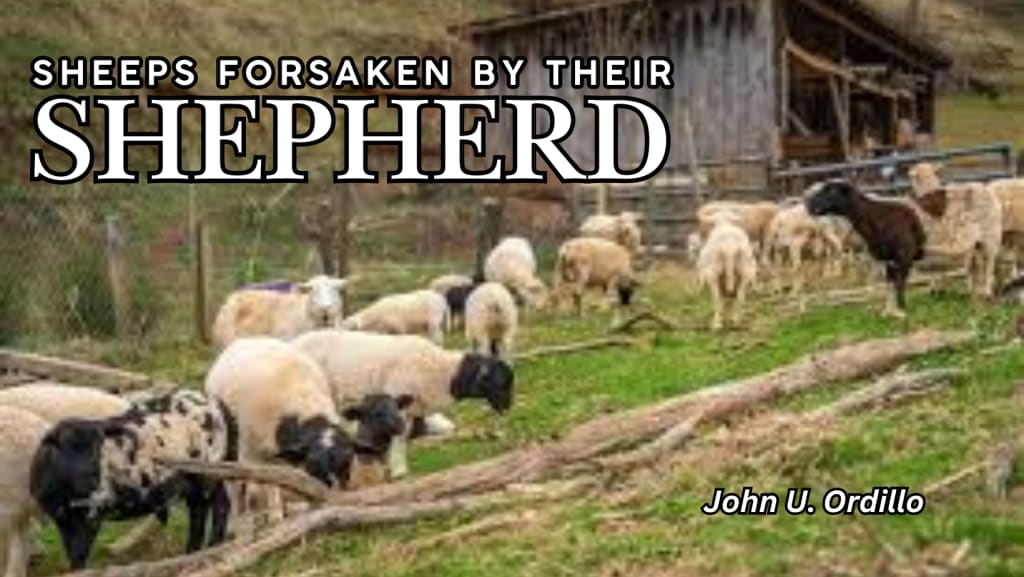
SHEEPS FORSAKEN BY THEIR SHEPHERD
Preface
In a world where the lines between leadership and neglect can often blur, the metaphor of the shepherd provides a profound lens through which we can examine the responsibilities of those who guide and protect others. This essay delves into the scriptural imagery of the shepherd, exploring the implications of abandonment and the qualities that define a true leader. By drawing on biblical texts, we aim to illuminate the vital characteristics that distinguish a caring shepherd from those who falter in their duty.
This exploration is not merely an academic exercise; it serves as a reflection on the nature of leadership in our contemporary society. As we navigate through various challenges, understanding the role of a shepherd in both spiritual and secular contexts becomes increasingly relevant. The metaphor encourages introspection about our own roles—whether as leaders, caregivers, or community members—and challenges us to embody the principles of dedication, service, and love.
As you engage with this essay, may you find inspiration in the teachings of scripture, prompting a deeper understanding of what it means to be a shepherd in both our personal lives and in the broader community. Let us reflect on our responsibilities to those we lead and seek to cultivate the qualities of the good shepherd in all our endeavors.
Hebrew Meaning of the Word "Shepherd"
In Hebrew, the word for shepherd is רועה (pronounced ro'eh). This term is derived from the root verb רָעָה (pronounced ra'ah), which means "to tend, graze, or feed."
The significance of the term:
Care and Guidance: The term ro'eh emphasizes the role of a shepherd as one who not only leads the flock but also ensures their well-being. This includes providing food, water, and protection from dangers.
Spiritual Leadership: In a biblical context, the concept of a shepherd extends beyond the literal meaning to represent spiritual leaders, such as kings and prophets, who guide their people in faith and righteousness. For instance, in Psalm 23, the Lord is referred to as the ultimate shepherd, highlighting the divine care and guidance provided to the faithful.
Community and Responsibility: The role of a shepherd is deeply tied to themes of community and responsibility, underscoring the importance of leadership in nurturing and safeguarding the collective well-being of a group.
Understanding the Hebrew meaning of "shepherd" enriches our appreciation of its significance in scripture and its application in our lives as leaders and caregivers.
UNDERSTANDING THE SHEPHERD WHO LEFT HIS SHEEP BEHIND
The metaphor of a shepherd is deeply rooted in scriptural texts, often representing leadership, guidance, and care. However, the concept of a shepherd who leaves his sheep behind raises significant questions about responsibility, dedication, and the nature of true leadership. In this essay, we will explore the implications of this metaphor by examining relevant scriptural text, particularly from the Bible, to justify our understanding of such a figure.
The Shepherd Metaphor in Scripture
The role of shepherd is prominently featured in both the Old and New Testaments. In Psalm 23, for instance, David, who himself was a shepherd, describes the Lord as his shepherd:
“The Lord is my shepherd; I shall not want. He makes me lie down in green pastures. He leads me beside still waters. He restores my soul.” (Psalm 23:1-3, ESV)
This passage illustrates the ideal qualities of a shepherd: provision, guidance, and restoration. A true shepherd is one who cares for his flock, ensuring they are safe and well-fed. However, the idea of a shepherd abandoning his sheep introduces a contrasting dynamic that warrants examination.
The Abandonment of the Flock
In the New Testament, Jesus addresses the nature of the shepherd in John 10:11-13:
“I am the good shepherd. The good shepherd lays down his life for the sheep. He who is a hired hand and not a shepherd, who does not own the sheep, sees the wolf coming and leaves the sheep and flees, and the wolf snatches them and scatters them.” (John 10:11-12, ESV)
Here, Jesus contrasts the good shepherd with the hired hand. The hired hand, lacking personal investment in the sheep, abandons them in times of danger.
This abandonment has consequences: the sheep are left vulnerable to predators, illustrating a failure of leadership. A shepherd who leaves his sheep is not only neglecting their needs but also betraying their trust.
Implications of Leaving the Flock
The question arises: what kind of shepherd would leave his sheep behind? The answer suggests a few potential characters:
The Hired Hand: As indicated in John 10, this figure represents those who lack genuine concern for their charges. Their motivation is not rooted in love or responsibility but rather in self-interest. When challenges arise, they prioritize their safety over the well-being of the sheep.
The Negligent Shepherd: This shepherd may genuinely care but lacks the commitment or capability to fulfill his role. He might be distracted by personal issues or overwhelmed by circumstances, leading to a failure in his duty.
The Malicious Shepherd: In some instances, the shepherd may intentionally abandon the sheep, perhaps out of malice or greed. This character embodies betrayal, actively choosing to forsake those relying on him for safety and guidance.
Scriptural Consequences of Abandonment
The consequences of a shepherd abandoning his sheep are dire, as illustrated in Ezekiel 34:2-4:
“Son of man, prophesy against the shepherds of Israel; prophesy, and say to them, even to the shepherds, ‘Thus says the Lord God: Ah, shepherds of Israel who have been feeding yourselves! Should not shepherds feed the sheep? You eat the fat, you clothe yourselves with the wool, you slaughter the fat ones, but you do not feed the sheep.’” (Ezekiel 34:2-3, ESV)
This passage highlights the moral obligation of shepherds to care for their flocks. God’s condemnation of negligent shepherds reflects a broader principle applicable to all leaders: true leadership entails service, not self-serving behavior. The abandonment of the flock leads to their suffering and scattering, emphasizing the critical nature of a shepherd’s role.
Conclusion
In conclusion, the figure of a shepherd who leaves his sheep behind serves as a powerful metaphor for understanding leadership responsibilities. Scriptural texts reveal that a true shepherd is characterized by care, commitment, and sacrifice. The abandonment of the flock, whether by the hired hand, the negligent, or the malicious shepherd, results in vulnerability, suffering, and loss.
The call for leaders, whether in spiritual, communal, or personal contexts, is to embody the qualities of the good shepherd. We must prioritize the needs of those we lead, ensuring safety, guidance, and support. In doing so, we not only fulfill our roles but also reflect the divine qualities of care and love exemplified by the ultimate shepherd, Jesus Christ.
Bishop John U. Ordillo
About the Creator
JOHN U. ORDILLO
M.A. in Pastoral Administration Asian Seminary of Christian Ministries
Former Jr. Planner/Design Engineer Norconsult Telematics Saudi Arabia
Former Outside Plant Engineer Saudi Engineering Group International
Keep reading
More stories from JOHN U. ORDILLO and writers in FYI and other communities.
UNDERSTANDING UNGODLINESS
UNDERSTANDING UNGODLINESS A Biblical Perspective on Living Apart From God Preface Ungodliness is a subject that resonates deeply with anyone who seeks to understand the heart of God and the nature of sin. The term itself may evoke thoughts of rebellion, disobedience, and rejection of divine authority, but its implications stretch far beyond a mere definition. In a world increasingly indifferent to spiritual matters, the concept of ungodliness becomes all the more relevant as we navigate the tension between worldly influences and the call to live in reverence for God.
By JOHN U. ORDILLOabout a year ago in FYI
Top 10 Luxury Travel Experiences Around the World for 2026
Luxury travel in 2026 is no longer just about opulence; it’s about immersive, transformative experiences that combine comfort, adventure, and cultural depth. For seasoned travellers seeking something beyond ordinary vacations, the world offers a rich tapestry of unique journeys—from private islands to cultural explorations with personal guides. Below, we explore ten luxury travel experiences that promise exclusivity, personalization, and unforgettable memories.
By All 4 Season2 days ago in FYI


Comments
There are no comments for this story
Be the first to respond and start the conversation.