
Permits, Codes, And Quiet Confidence
Do Your Standby Generator The Right Way

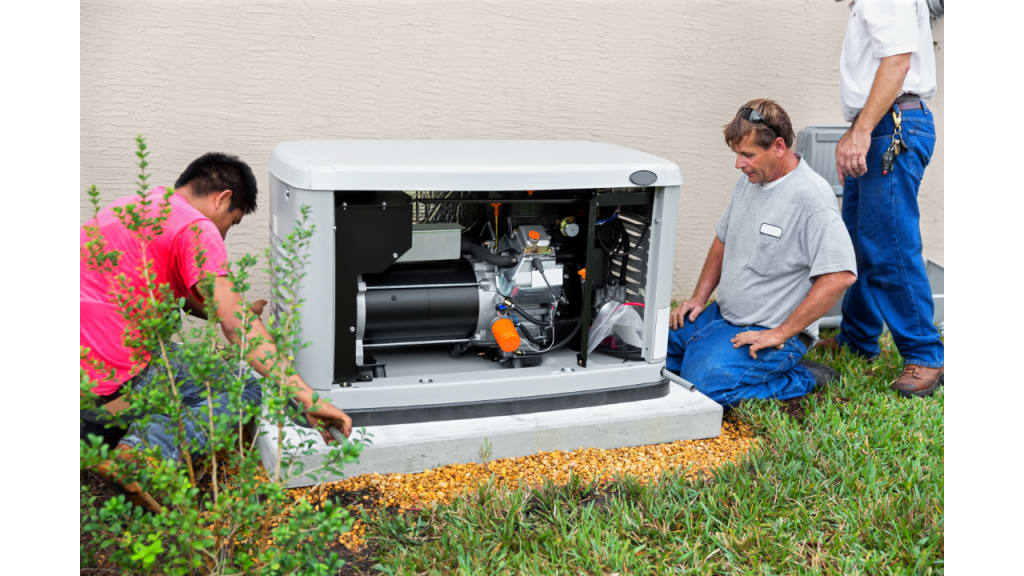
Standby generators feel simple: power goes out, the generator turns on, and life continues. Behind that ease is a short list of rules and best practices that keep your home safe, your neighbors happy, and your system reliable. Doing it right isn’t red tape—it’s how you avoid failed inspections and midnight service calls during a storm. Here’s the code‑and‑common‑sense path to a smooth project.
Permits And Protection 101
Permits are in place to ensure that installations comply with electrical and mechanical codes, respect property line setbacks, and maintain a safe distance from windows and doors. Inspections verify correct wiring, grounding and bonding, transfer switch installation, and fuel connections. If you ever sell your home or file an insurance claim, permitted work with passed inspections is proof that your system was built to standard. It also provides a second set of eyes that can catch mistakes before they become headaches.
Transfer switches are the heart of safety. They isolate your home from the grid when the generator runs, protecting utility line workers and preventing dangerous backfeed. Whole‑home switches can be straightforward but may require larger generators. Essential‑loads subpanels power only selected circuits, keeping the generator smaller and more efficient. Whichever you choose, the switch must match your service amperage and be installed in accordance with code.
Fuel, Transfer, And Placement Done Right
Fuel line sizing is where many projects go wrong. Natural gas systems require adequate pressure and volume at the generator, even when other appliances are running. Long pipe runs and elbows can reduce the available pressure. Propane systems require correctly sized regulators and tanks that are placed in accordance with code, with clearances from structures and ignition sources. Under‑sized fuel delivery is the classic cause of generators that start fine during a quick test and stumble under real load. Seasoned generator installation contractors in Charlotte, TX, run the math so the engine sees steady fuel.
Placement matters for safety and sanity. Manufacturers specify minimum distances from windows, doors, and vents to prevent exhaust from entering living spaces. Local ordinances and HOAs may add rules about property lines and aesthetics. Select a location with good drainage, a stable foundation, and clear access for service. Consider sound as well; a quiet enclosure helps, but placing it away from bedrooms and neighbor patios provides additional noise reduction.
Commissioning And Care You Can Trust
A proper residential generator installation ends with commissioning. Your installer should simulate an outage, observe the transfer and retransfer process, check voltage and frequency stability under real loads, and document the performance. They should confirm that your HVAC, fridge, lights, and office circuits work together. You should also receive a brief training session on how to read status lights, how the weekly self-test works, and what to do if an alert appears.
After that, maintenance ensures warranties and reliability are kept intact. Engines need annual service—oil and filters, air intake, spark plugs where applicable, and a healthy battery. Keep the area around the unit clear of leaves and debris to prevent heat buildup and pest nests. App‑based monitoring can tell you when a self‑test fails or maintenance is due, so you’re never guessing. Add whole‑home surge protection for extra resilience during storms and transfer events.
Do it this way and you get a generator that starts on the fourth second every time, runs the circuits you care about, and passes inspection the first time. It’s quieter, safer, and easier to own. Your next step is simple: talk to residential generator installation pros who handle permitting, fuel sizing, and commissioning in‑house. Compare a few generator installation contractors in Charlotte, TX, and choose the team that talks process, not just products. That’s how you turn backup power from a worry into quiet confidence when the grid stumbles
About the Creator
Keep reading
More stories from The Weekend Project and writers in FYI and other communities.
Why Your Rowhome Hisses
If you’ve ever listened to a radiator ping as it warms or bled a stubborn baseboard on the first cold night, you’ve met Philadelphia’s heating history up close. Our housing stock spans coal‑to‑oil conversions, gravity furnaces, steam radiators, and modern air handlers, often layered one over the other. That history explains today’s comfort quirks—and points to fixes that make old systems feel new without gutting your home.
By The Weekend Project5 months ago in FYI



Comments
There are no comments for this story
Be the first to respond and start the conversation.