
Performance Royalties: How Musicians Get Paid for Airplay
How Musicians Get Paid for Airplay

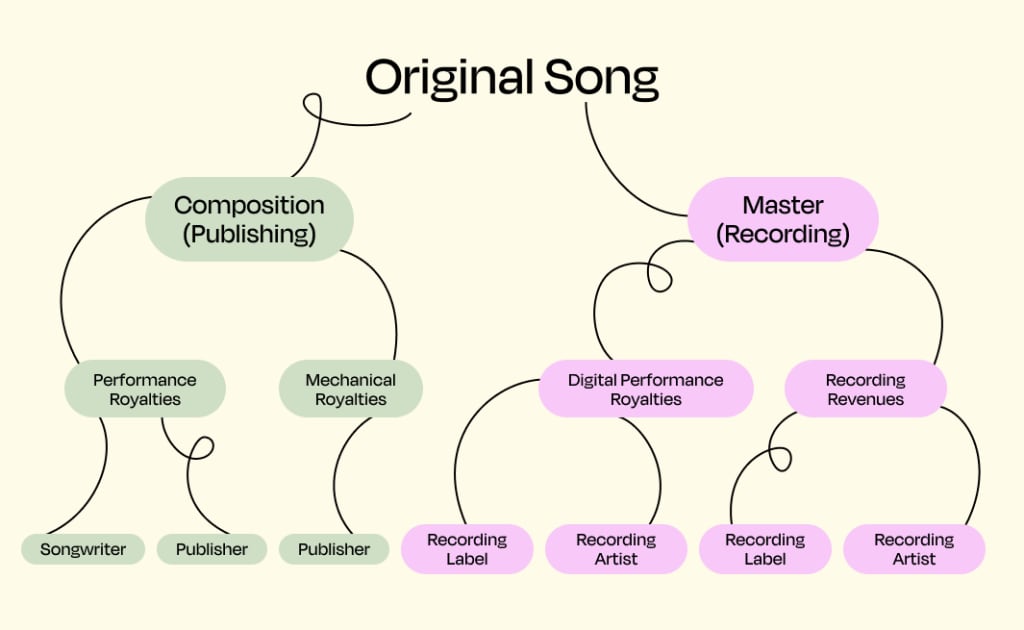
Every musician dreams of hearing their song played on the radio, at a live event, or streamed to thousands of fans. What many artists might not fully understand is that each time this happens, they are entitled to performance royalties. Performance royalties are a key component of the income stream for musicians, songwriters, and music publishers, yet they are often misunderstood. These royalties are collected and distributed whenever a public performance of a song takes place, ensuring creators get paid for their work. Understanding how performance royalties work and how to ensure you’re getting paid is crucial for anyone in the music industry.
What Are Performance Royalties?
Performance royalties are fees collected when a song is played or performed in public. This includes radio airplay, TV broadcasts, live performances, and even background music played in restaurants or retail stores. The primary purpose of these royalties is to compensate songwriters, composers, and publishers when their music is used publicly, regardless of who is performing the song.
It’s important to understand that performance royalties are distinct from other types of royalties, like mechanical or synchronization royalties. Mechanical royalties are paid when music is physically or digitally reproduced (e.g., a CD sale or streaming on Spotify), while sync royalties are paid when music is used in visual media like TV or films. Performance royalties specifically relate to the public playing of a song.
How Are Performance Royalties Collected?
The collection of performance royalties is primarily handled by Performing Rights Organizations (PROs). In the United States, the main PROs are ASCAP (American Society of Composers, Authors, and Publishers), BMI (Broadcast Music, Inc.), and SESAC (Society of European Stage Authors and Composers). Internationally, similar organizations exist, such as PRS for Music in the UK, SOCAN in Canada, and GEMA in Germany.
These organizations have a two-fold role:
They license the public performance of music to venues, broadcasters, streaming platforms, and other businesses.
They collect and distribute royalties to the rightful owners whenever the licensed music is played.
For example, when a radio station plays a song, they have to pay a licensing fee to the PRO, which then distributes a portion of that fee to the songwriters, composers, and publishers based on how often their music was played.
Who Gets Paid Performance Royalties?
Performance royalties are typically split between two main groups:
Songwriters and composers: These are the individuals who wrote and composed the song, even if they are not performing it themselves.
Publishers: These are the companies or individuals responsible for managing and promoting the song’s composition.
However, it’s important to note that performance royalties are not paid to the recording artist or the musicians who played on the track (unless they also happen to be the songwriters). This is one of the most commonly misunderstood aspects of royalties. For example, if a popular artist performs a song written by another songwriter, the songwriter will receive the performance royalties, not the performer.
Where Do Performance Royalties Come From?
Performance royalties are generated from a variety of sources, including:
Radio airplay: Each time your song is played on AM, FM, satellite, or internet radio, performance royalties are generated. This remains one of the most significant sources of income for songwriters.
TV broadcasts: TV networks must pay performance royalties whenever they use music in their broadcasts, including in commercials, shows, and even background music during scenes.
Live performances: Whether your song is performed at a concert, a local gig, or a festival, performance royalties are generated.
Streaming services: Platforms like Spotify, Apple Music, and YouTube pay performance royalties in addition to mechanical royalties. Each time a song is streamed, performance royalties are accrued.
Public spaces: Restaurants, bars, gyms, and retail stores that play background music are required to pay for performance licenses, from which royalties are distributed to the songwriters and publishers.
The Role of PROs in Maximizing Royalties
Performing Rights Organizations (PROs) are essential to the process of collecting and distributing performance royalties. They have complex systems in place to track when and where songs are played. Radio stations, TV networks, streaming platforms, and even venues where live music is performed report this information to the PROs, who then use it to calculate how much each songwriter and publisher is owed.
However, not all performances are reported automatically. Artists and songwriters can often take proactive steps to ensure they are paid for all their performances. For example, musicians performing live shows can submit setlists to their PROs to ensure they receive royalties for their songs.
International Royalties
One challenge with performance royalties is collecting them from international sources. Music is often played globally, and each country has its own PROs. Fortunately, most PROs have reciprocal agreements with each other, allowing them to collect royalties on behalf of their members when their music is played abroad.
For instance, if a US-based songwriter’s music is played on a UK radio station, PRS for Music (the UK’s PRO) will collect the royalties and send them to the songwriter’s PRO in the US, such as ASCAP or BMI. This system helps ensure that songwriters receive performance royalties no matter where their music is played.
Conclusion
Performance royalties are one of the most important income streams for songwriters, composers, and music publishers. Whether your music is being played on the radio, streamed online, or performed live, performance royalties ensure that you are compensated for your creative work. Understanding how performance royalties work, who gets paid, and how they are collected is essential for anyone involved in the music industry. By working with PROs and staying informed about your rights, you can ensure you’re receiving all the royalties you’re entitled to.
About the Creator
Music Industry Updates
Welcome to Music Industry Updates, your go-to hub for the latest happenings in the music world.
Stay tuned, stay informed, and stay inspired with Music Pulse – where every beat counts.
Keep reading
More stories from Music Industry Updates and writers in FYI and other communities.
How Views Translate to Money on YouTube: What You Need to Know
YouTube has transformed from a simple video-sharing platform into a full-fledged career opportunity for many. With millions of creators uploading content daily, many wonder, “How many views do you need to start earning on YouTube?” While the idea of earning money from YouTube may seem simple, there are several factors involved. It’s not just about hitting a specific number of views; there are multiple layers, such as audience engagement, video content, and monetization methods that determine how much you can earn. In this article, we will break down the entire process to give you a clearer picture.
By Music Industry Updatesabout a year ago in FYI
Can Your Eyes Actually Change Color? 7 Surprising Factors
Most of us assume that our eye color is a permanent gift from our parents, a genetic "what you see is what you get" situation. But have you ever noticed someone’s eyes looking piercingly bright on a sunny day, or almost turning black when they’re in a fit of rage?
By Areeba Umair4 days ago in FYI


Comments
There are no comments for this story
Be the first to respond and start the conversation.