
Partnerships Key to Unlocking Africa's Pastoral Livestock Potential
The APMD Platform, set to launch this Friday in Nairobi, will focus on the Horn of Africa and Sahel regions. Its mission is to transform pastoral market ecosystems, improve livelihoods, and build the resilience of pastoral communities by implementing sustainable and innovative solutions.
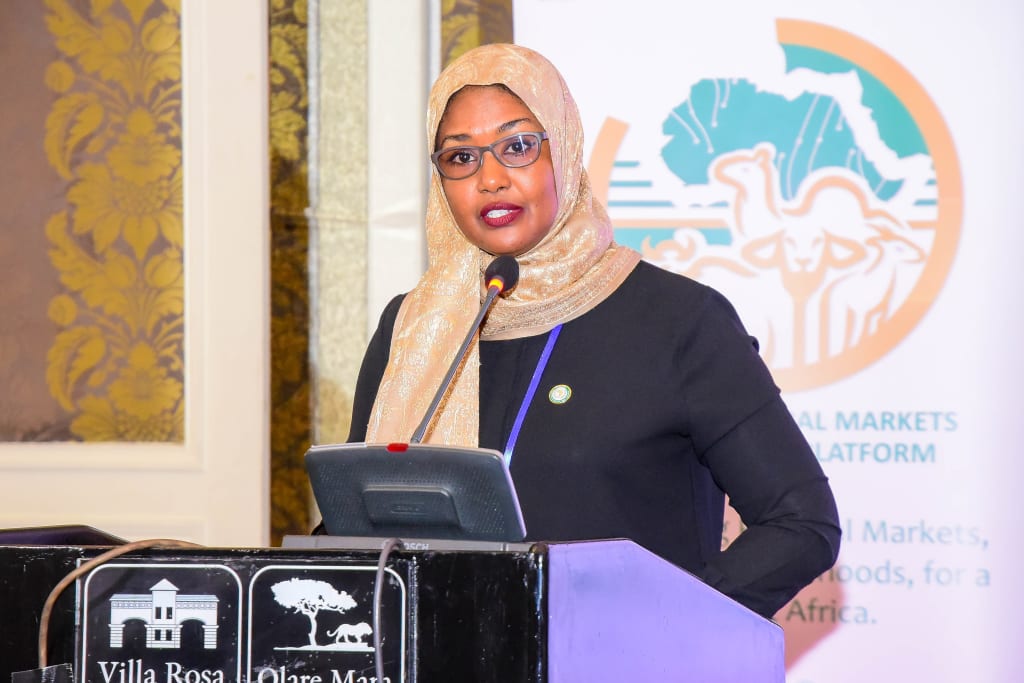
Collaboration among government agencies, industry stakeholders, and development partners is critical to addressing the ongoing challenges within the pastoral livestock development and marketing subsector. Despite its significance as a vital source of livelihood for millions of people, the sector continues to face obstacles such as trade barriers, inadequate infrastructure, and limited market access.
According to Jonathan Mueke, the Principal Secretary for Livestock Development in Kenya, these challenges have hindered growth and stunted the sector’s economic potential. Speaking on his behalf at the opening of a pan-African pastoral livestock stakeholders' inception workshop in Nairobi, the Department’s Deputy Director in the Agri-Business Division, Mr. John Chege, highlighted the sector's underperformance, particularly in meat production.
"Kenya has a substantial livestock population. Estimates for the year 2021 showed that beef cattle were 16,182,356, sheep 24,801,605; goats 32,570,314 and camel 4,427,881, producing a combined 500,000 MT of red meat in the year 2021 which is significantly low output compared to resource base," read part of his speech
Mr. Mueke stressed the need for multi-sectoral partnerships to overcome these barriers and to boost the sector's contributions to economic growth, food security, and cultural sustainability. He also pointed out Kenya’s leadership in livestock development through initiatives such as the Malabo Declaration of 2014, which paved the way for several programs. Despite this progress, challenges in market integration, policy frameworks, and information sharing continue to persist.
Experts at the event emphasized the urgency of finding innovative and adaptive solutions. Dr. Huyam Salih, Director of the African Union - Inter-African Bureau for Animal Resources (AU-IBAR), noted that existing pastoral frameworks and adaptation plans often fail to address the specific needs of pastoral communities.
"The importance of the pastoral sector cannot be overstated. Across the continent, millions of livelihoods depend on pastoralism, a sector that contributes significantly to national economies, regional trade, and food security. Yet, this sector faces persistent challenges, including limited access to formal markets, inadequate value addition, and insufficient integration of pastoral communities into broader economic frameworks. Climate change further exacerbates these vulnerabilities, necessitating a more coordinated, resilient, and innovative response," she noted.
To address this gap, AU-IBAR, in partnership with the Bill & Melinda Gates Foundation, developed the African Pastoral Markets Development (APMD) Platform. This transformative initiative leverages data-driven approaches to solve key pastoral challenges.
Dr. Yoseph Mamo of the Common Market for Eastern and Southern Africa (COMESA) underscored the importance of accurate, accessible data in driving sustainable policy decisions and fostering meaningful development. Similarly, Mrs. Winnie Lai-Solarin, Director of Animal Husbandry Services at Nigeria’s Federal Ministry of Agriculture, called on regional governments to establish dedicated ministries and departments for livestock development and marketing. She argued that such institutions would enhance coordination, improve productivity, and facilitate better policy implementation across the sector.
The APMD Platform, set to launch this Friday in Nairobi, will focus on the Horn of Africa and Sahel regions. Its mission is to transform pastoral market ecosystems, improve livelihoods, and build the resilience of pastoral communities by implementing sustainable and innovative solutions.
Tumal Orto, a camel pastoralist and community leader from the Gabra indigenous group in Marsabit County, shared the challenges faced by pastoralists, including inadequate market access, the effects of climate change, and limited resources. He expressed hope that the African Pastoral Markets Development (APMD) Platform would provide data-driven solutions to improve market linkages, boost livestock productivity, and strengthen resilience in pastoral communities.
The Stakeholder Inception Workshop has brought together key players in the livestock value chain, including representatives from countries such as Kenya and Nigeria, African Union bodies, regional economic communities like COMESA, IGAD, ECCAS, and ECOWAS, along with development partners and research institutions. This collaboration underscores the importance of collective efforts in addressing the complex challenges facing pastoral livestock systems in Africa.
About the Creator
Suleiman Mbatiah
A Journalist
Keep reading
More stories from Suleiman Mbatiah and writers in FYI and other communities.
Breaking Barriers: How a Continental Platform is Advancing Gender Equality in Livestock Markets
African women in the livestock trade subsector continue to face significant gender-based gaps, among them limited access to credit, market opportunities, and education, which hinder their ability to fully contribute to both local and national economies.
By Suleiman Mbatiahabout a year ago in FYI
Building a New Era: Inside the Indonesia Commercial Construction Boom
Market Overview: The Construction Engine of Southeast Asia Indonesia is currently undergoing one of the most significant infrastructure transformations in its history. As the largest economy in Southeast Asia, the archipelago is moving beyond basic infrastructure development and stepping into a new era of sophisticated commercial construction.
By Sam walter7 days ago in FYI



Comments
There are no comments for this story
Be the first to respond and start the conversation.