
Pardons, Politics, and Power Plays: The High-Stakes Game of American Governance
From questionable nominations to family pardons, a closer look at how loyalty and strategy shape the political landscape.

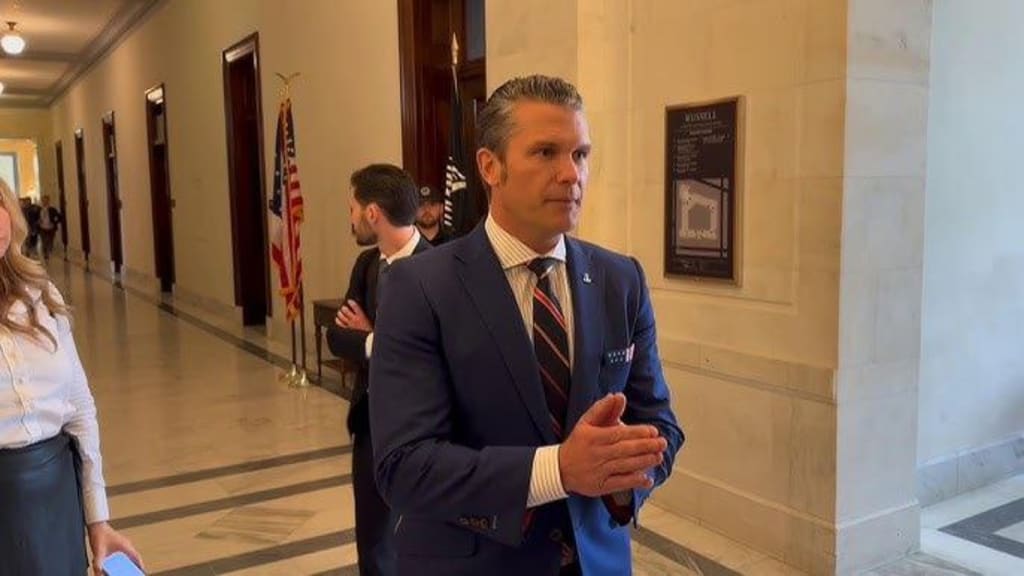
Trump's Controversial Nominations and the Questions They Raise
In the latest episode of political drama surrounding former President Donald Trump, questions are surfacing about the vetting process—or lack thereof—for his high-profile nominations. Two key names, Pete Hegseth and Kash Patel, have become lightning rods for controversy, highlighting issues of qualification, ethical conduct, and national security. Meanwhile, the ongoing debate about Hunter Biden's pardon adds yet another layer to the polarized political landscape.
Pete Hegseth: A Contentious Nomination
Pete Hegseth, a media personality and former military officer, has faced a barrage of criticism since reports by journalist Jane Meyer unveiled concerning details about his past. Meyer’s investigative piece outlines allegations spanning multiple jobs, including workplace misconduct and questions about his management capabilities.
Hegseth’s history includes claims of alcohol abuse in professional settings and struggles managing two small veterans' organizations—raising doubts about his ability to helm the Pentagon, the largest military bureaucracy in the world. Comparisons have been drawn to John Tower, a George H.W. Bush-era nominee for Secretary of Defense whose candidacy faltered under similar accusations.
Observers are also questioning Trump's decision-making process. What did he know about these allegations? Was proper vetting conducted? Critics argue that this debacle underscores why rigorous background checks are essential for positions of power.
Kash Patel: Politicization of the FBI
Another Trump nominee, Kash Patel, is being considered for the role of FBI Director—a position that traditionally carries a 10-year term to insulate it from political pressures. Patel's loyalty to Trump is well-documented, but his controversial statements and explicit plans to target political opponents raise alarms.
Patel has publicly discussed his intent to use the FBI’s resources for political retribution, listing numerous current and former government officials as potential targets. Such rhetoric has sparked fears about the politicization of a federal institution meant to remain impartial.
Critics see this nomination as an attack on the FBI’s independence. Susan Glasser, a prominent political commentator, noted, "This nomination is not just challenging the principles of the FBI—it’s a direct assault on its independence."
Republican senators, however, remain cautious. While some, like Senator Tom Tillis, have dismissed concerns about Patel’s plans, the broader GOP stance is one of deference to Trump, reflecting the former president’s enduring influence within the party.
The Role of Background Checks
Central to these controversies is Trump’s apparent disregard for traditional background checks. Both Hegseth and Patel’s nominations highlight the risks of bypassing these protocols.
Neil Katyal, a former Acting Solicitor General, emphasized the stakes: “Background checks are not just about trustworthiness. They’re about assessing vulnerabilities to blackmail and ensuring national security.” Katyal’s warning is stark: without thorough vetting, nominees with questionable histories could become liabilities, especially in a world where foreign adversaries exploit such weaknesses.
The Hunter Biden Pardon: A Counterpoint
Amid these nomination battles, Hunter Biden’s presidential pardon has reignited debates about the use of executive clemency. Critics on both sides argue whether the pardon represents an act of compassion or political favoritism.
Hunter Biden’s charges stem from a tumultuous period in his life, marked by addiction and personal struggles. His father, President Joe Biden, defended the pardon as a gesture of mercy, citing Hunter’s accountability and commitment to sobriety.
Republicans have been quick to condemn the move, contrasting it with Trump’s record of controversial pardons for political allies like Roger Stone and Steve Bannon. However, as Katyal pointed out, Trump has consistently ignored norms when it suits him, raising doubts about whether the Hunter Biden pardon sets any meaningful precedent.
A Fractured Political Landscape
These stories underscore a broader trend: the erosion of norms in American politics. From Trump’s contentious nominations to debates over executive pardons, the lines between governance and personal loyalty are increasingly blurred.
As the Senate prepares to review these nominations, the stakes are high—not just for the individuals involved but for the integrity of the institutions they may lead. Whether these controversies signal a temporary political aberration or a deeper shift remains to be seen.
What is clear, however, is that these debates are far from over, and their implications will reverberate across the political spectrum for years to come.
About the Creator
Keep reading
More stories from Cherub Kane and writers in FYI and other communities.
Mysterious Drones Hover Over New Jersey: FBI Launches Investigation
Mysterious Drones Hover Over New Jersey: FBI Launches Investigation In a bizarre turn of events, residents of New Jersey are waking up to strange sightings in the sky, as hundreds of large, car-sized drones have been flying over towns in the dead of night. These unusual occurrences have left many on edge, with local authorities now calling in the FBI to investigate the origins of these mysterious flying objects. The sightings have sparked fear and confusion among residents, who are increasingly disturbed by the nightly appearances of these high-tech machines.
By Cherub Kaneabout a year ago in FYI
So You Decided To Become a Nurse Practitioner:
So you decided to become an "Advanced Practice" nurse. Congratulations!... is what I would say if this was a good idea. Grad school? In this economy? What were you thinking? Likely it was something along the lines of either 1) “I've seen these other chucklefucks do it— Why can't I?” or even 2) “I've got a nice career, I should shake it up. I miss feeling like I have no clue what I'm doing.”
By Sandor Szabo3 days ago in Fiction


Comments
There are no comments for this story
Be the first to respond and start the conversation.