
New Illness Spreading In China: What To Know About The Chikungunya Virus
A rising mosquito-borne virus in China is triggering pandemic-era precautions. Here's what you need to know about Chikungunya, the global threat with a painful legacy.

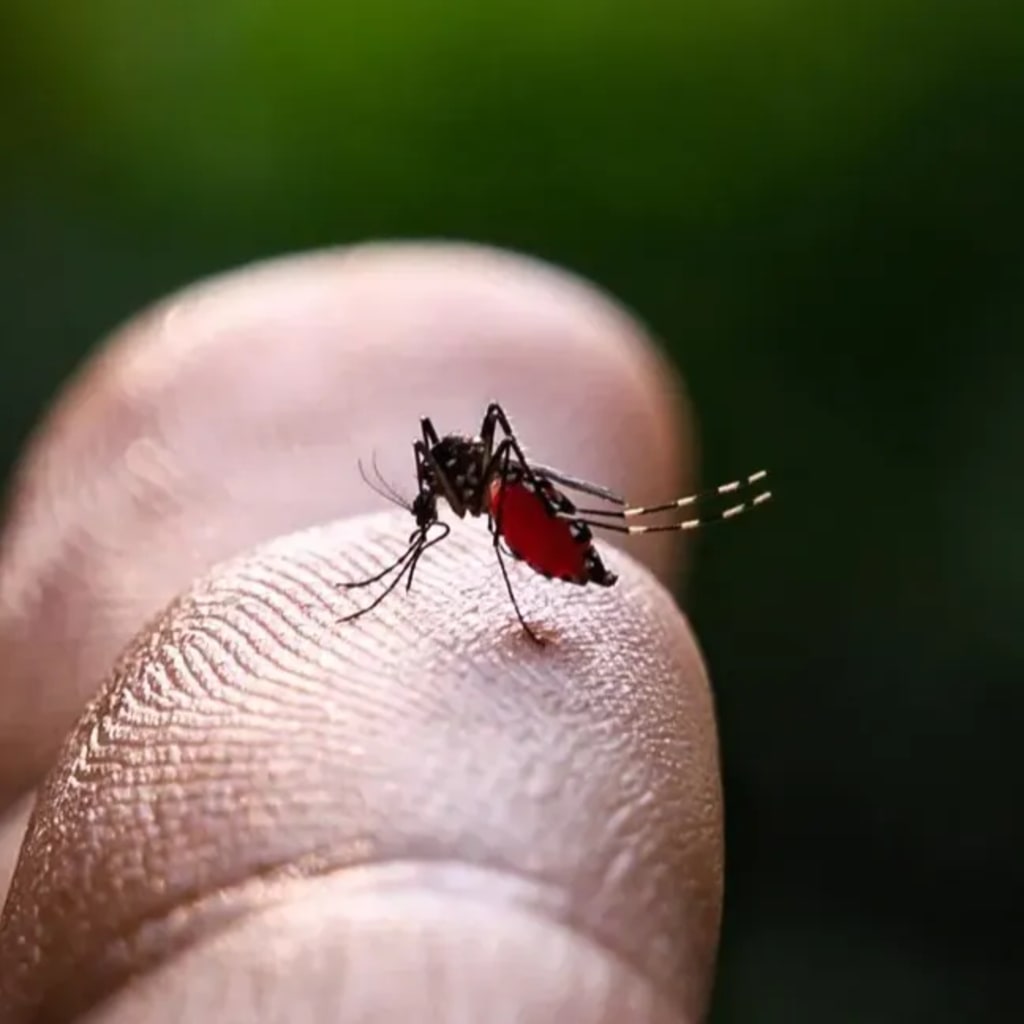
A mosquito-borne virus that has infected more than 7,000 people across at least 13 cities in China has sparked precautions similar to those imposed during the COVID pandemic in attempts to stop its spread despite the virus not being transmittable from person to person.
What Is Chikungunya Virus?
Chikungunya is a mosquito-born virus that presents most commonly with a headache, muscle pain, nausea, fatigue, rash and swollen joints. While most symptoms usually resolve within two weeks, the “debilitating” joint pain can persist for months or years, according to the World Health Organization. The joint pain is the calling card of chikungunya and, without it, people with the virus can easily be misdiagnosed as having dengue or Zika, making it hard to know exactly how many people are infected. Chikungunya was first detected in southern Tanzania in the 1950s. The name comes from a word in the Kimakonde language of southern Tanzania that means “that which bends up," meant to describe the contorted posture of people with severe joint pain.
How Does Chikungunya Virus Spread?
Chikungunya can only be transmitted to a person through the bite of an infected mosquito, but people can transmit it right back to the insect. So if a non-infected mosquito bites a person with the chikungunya, it can contract the virus and infect the next healthy person it bites. It is not contagious or transmittable person to person.
Is There A Chikungunya Vaccine?
Yes. There are two approved for use in the United States: IXCHIQ, a live-attenuated vaccine, is approved for people 18 and older and VIMKUNYA, a virus-like particle vaccine, is approved for those 12 and older. The CDC only recommends the vaccine to people traveling to an area with a chikungunya outbreak.
Is There Chikungunya Virus In The United States?
Yes, but it's not common. In the U.S., chikungunya is primarily found in travelers who've been infected in other countries and a locally acquired case hasn't been reported since 2019. But travel-associated cases are on the rise. Chikungunya was rarely found in the U.S. before 2006, but as many as 28 people per year tested positive from 2006 to 2013. Nearly 3,000 travel-associated cases were identified in 2014 but that number steadily decreased down to 36 in 2021 before slowly climbing again. There were 199 cases found in 2024 and, in 2025, there have been 46 cases so far.
Where Chikungunya Virus Most Commonly Found?
The Centers for Disease Control and Prevention warn that U.S. travelers visiting Brazil, Columbia, India, Mexico, Nigeria, Pakistan, Thailand and the Philippines are at an elevated risk of exposure. The CDC also issued a Level 2 travel alert for Foshan city, and recommends any traveler to the area be vaccinated. People who do visit are encouraged to prevent mosquito bites by wearing insect repellent, long-sleeved shirts and long pants. Pregnant women are advised not to travel to the region.
First Chikungunya Vaccine Now FDA Approved — What To Know About The ‘Emerging Global Health Threat’
Chikungunya is a viral infection spread by the bites of infected mosquitoes.
1. Its name—which comes from the Kimakonde, or Makonde, language spoken in East Africa—means “to become contorted,” “that which bends up” or “bending over in pain” in reference to the contorted posture many of those infected adopt.
2. Infection is not normally fatal—children, older adults and those with other health conditions are at greater risk and it can be fatal for newborns—but the virus can cause severe and prolonged disease and there are no specific treatments beyond tackling individual symptoms.
3. Symptoms of chikungunya infection include fever and severe joint pain, which can be debilitating and last for weeks, months or even years, as well as fatigue, headaches, muscle pain, nausea and rash.
4. People most at risk of chikungunya live in the tropical and subtropical regions of Africa, Southeast Asia, and parts of the Americas where the mosquitoes that carry the virus are endemic, though experts warn human-driven climate change is enabling the insects and the diseases they carry to colonize new areas, including much of the United States.
5. As of September, there have been around 440,000 chikungunya cases and over 350 deaths reported around the world this year, according to the European Center for Disease Prevention and Control, with most countries reporting the highest burdens from the disease located in South and Central America.
The FDA said it had approved the first chikungunya vaccine for use in adults ages 18 and older who are at high risk of catching the virus. Peter Marks, director of the FDA’s Center for Biologics Evaluation and Research, said the approval “addresses an unmet medical need and is an important advancement in the prevention of a potentially debilitating disease with limited treatment options.” The shot, made by French vaccine company Valneva and marketed as Ixchiq, is given in a single injection. It contains a weakened, but live, form of the virus and can cause similar symptoms to people with chikungunya disease, the FDA said. Such live vaccines can protect against more dangerous natural infections and are commonly used for infections including rotavirus, measles, mumps, rubella, chickenpox, yellow fever and polio but they are not always suitable for people of certain ages, who have compromised immune systems or other health conditions or who are pregnant. The FDA said the safety of the vaccine was evaluated in two clinical trials in North America. Common side effects reported in the trial included headaches, fatigue, muscle and joint pain and pain at the injection site, though the FDA said nearly 2% of people with the vaccine had severe chikungunya-like symptoms needing medical attention. The FDA said a label would be included to remind prescribers to discuss the potential for “severe or prolonged chikungunya-like adverse reactions” with recipients. Valneva will also need to undertake a post-approval trial “to assess the serious risk of severe chikungunya-like adverse reactions following administration of Ixchiq.”
Big Number
5 million. There have been at least that many chikungunya cases reported globally over the past 15 years, the FDA said. The agency described the virus as an “emerging global health threat” that “has spread to new geographical areas causing a rise in global prevalence of the disease.”
What We Don’t Know
Health officials and agencies like the World Health Organization warn official infection counts are likely to significantly underestimate the true prevalence of chikungunya. Accurate diagnosis, disease surveillance and reporting can be tricky in some parts of the world on account of funding and capacity within healthcare systems and chikungunya is also “easy to misdiagnose” on account of causing similar symptoms to other mosquito-borne illnesses like dengue and Zika.
What To Watch For
Valneva said the vaccine will initially address the “potential needs” of some 60 million Americans who it says travel to countries where mosquito-borne diseases are endemic each year. This fits in well with its other shots for cholera and Japanese encephalitis aimed at travelers, the company said. Valneva said it will work towards commercializing the shot in the U.S. early next year and work towards securing a vote of approval endorsing the shot from the Centers for Disease Control and Prevention’s vaccine advisory committee at the end of February. The FDA is an influential regulator and its go-ahead will likely speed Ixchiq’s passage through other regulatory processes globally, particularly in areas where chikungunya is a more pressing concern.
Key Background
Chikungunya is regularly identified as an emerging threat to global health on account of the debilitating and prolonged disease it can cause. Chikungunya was first identified in Tanzania in 1952 and sporadic outbreaks were later recorded in parts of Africa and Asia. The virus has since spread globally and has been identified on all continents except Antarctica. The economic and social impact of the disease can be devastating—the Coalition for Epidemic Preparedness Innovations estimates the cost to the Americas alone to be around $185 billion—and the warming climate, a boon to the mosquitoes that spread the disease, is likely to widen areas at risk. While the virus is more commonly reported among travelers in the U.S. and parts of Europe, local transmission has been documented, suggesting future outbreaks may be possible or that the virus could gain a permanent foothold.
About the Creator
Muhammad Sabeel
I write not for silence, but for the echo—where mystery lingers, hearts awaken, and every story dares to leave a mark
Keep reading
More stories from Muhammad Sabeel and writers in FYI and other communities.
The Cat Who Knows My Secrets
I adopted Miso on a rainy Thursday when the world outside felt like it had lost all color. My therapist had said, “Try something alive. A plant, a pet. Something that depends on you.” I was skeptical. But there he was — curled up in a too-small basket at the animal shelter, half-asleep and wholly unimpressed by the world.
By Muhammad Sabeel6 months ago in Petlife
Pizza Boxes Market Size and Forecast 2025–2033
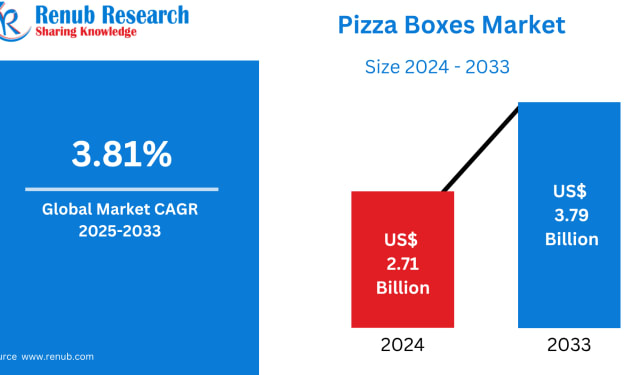
Pizza Boxes Market: A Global Packaging Staple in Transformation The global Pizza Boxes Market is expected to reach US$ 3.79 billion by 2033, up from US$ 2.71 billion in 2024, registering a CAGR of 3.81% from 2025 to 2033. This steady expansion is driven by the accelerating demand for takeout and home delivery, rising global pizza consumption, rapid growth of quick-service restaurants (QSRs), and increasing environmental awareness that is reshaping packaging choices worldwide.
By Marthan Sir5 days ago in FYI



Comments
There are no comments for this story
Be the first to respond and start the conversation.