
Musashi Miyamoto: A Life of Honor and Mastery
From Struggling Youth to Samurai Legend, the Story of Japan's Greatest Swordsman and Philosopher
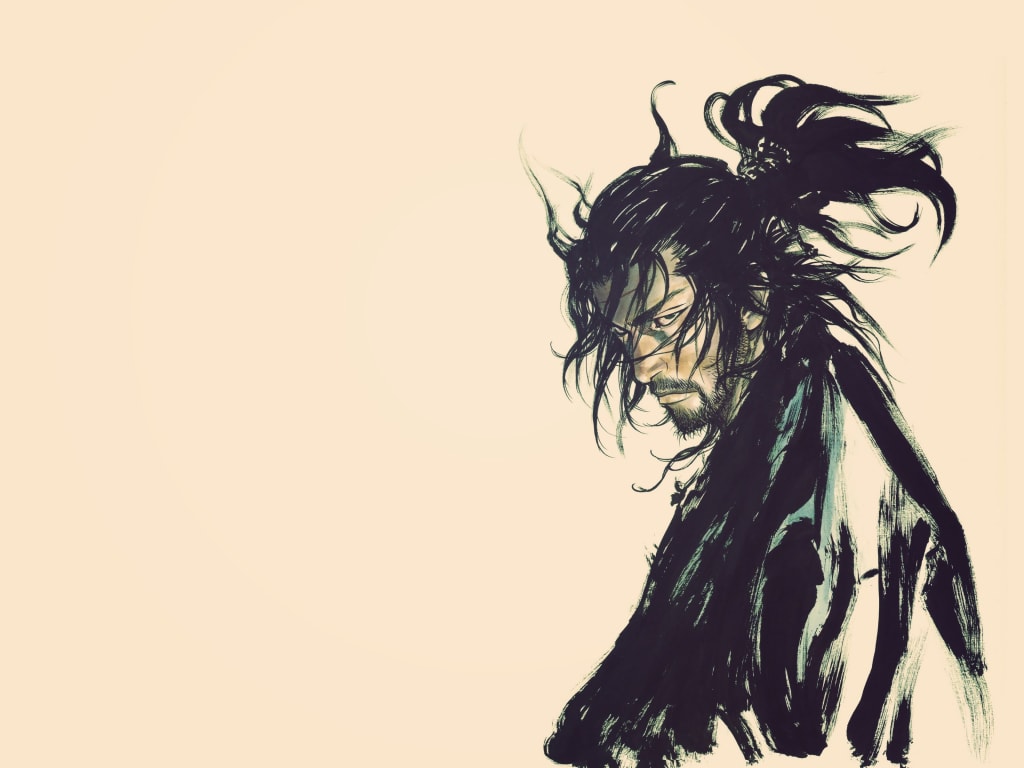
Musashi Miyamoto was born in the Harima Province of Japan in 1584. He was the son of a samurai named Shinmen Munisai, who taught him the ways of the sword from a young age. However, Musashi's childhood was far from idyllic. His father was a violent man who often abused his wife and children. This abuse likely contributed to Musashi's own aggressive tendencies later in life.
At the age of thirteen, Musashi left his family and began training in the martial arts. He wandered Japan for several years, seeking out the best swordsmen and learning from them. He also engaged in several duels, which earned him a reputation as a fearsome warrior. Musashi eventually settled in Kyoto and became a student of the famous swordsman, Takuan Soho.
Under Soho's tutelage, Musashi honed his skills and developed his own unique style of swordsmanship, which he called Niten Ichi-ryu (Two Swords as One). He also wrote The Book of Five Rings, a treatise on strategy and martial arts that is still studied today.
Musashi's most famous battle was against Sasaki Kojiro, a renowned swordsman who challenged him to a duel on the island of Ganryu. The two men met on April 13, 1612, and Musashi emerged victorious after killing Kojiro with a wooden sword he had carved from an oar. This duel cemented Musashi's status as one of the greatest swordsmen in Japan.
Throughout his life, Musashi adhered to the samurai code of honor, known as bushido. This code emphasized loyalty, courage, and self-discipline, and it influenced every aspect of Musashi's behavior and decision-making. He believed that a true warrior should be willing to die at any moment, and that victory should come from strategy rather than brute force.
Musashi's role in Japanese society was that of a samurai, a member of the warrior class who served their lord and protected their community. He spent much of his life wandering Japan, engaging in duels and serving various lords. He also trained many students in the art of swordsmanship, including his own son, Iori.
Musashi faced several significant challenges during his life. One of the most notable was his struggle with fame. He became a legend in his own time, and many people sought to challenge him in duels. This constant attention weighed heavily on Musashi, and he eventually retreated from public life.
Another challenge Musashi faced was political turmoil. He lived during a time of great upheaval in Japan, with many warring factions vying for power. Musashi's loyalty to his lords and his dedication to bushido put him in difficult positions, as he often had to choose between his own moral code and the demands of those in power.
Musashi's legacy is one of the most enduring in Japanese history. He is remembered as a master swordsman, a wise philosopher, and a man of great honor. His teachings on strategy and martial arts continue to influence people around the world, and his life story has been retold in countless books, movies, and other media.
Two of Musashi's most famous quotes are "The true science of martial arts means practicing them in such a way that they will be useful at any time, and to teach them in such a way that they will be useful in all things" and "Do nothing that is of no use." These quotes speak to Musashi's practical, no-nonsense approach to life, and his belief that martial arts should be applied to all aspects of one's existence.
In conclusion, Musashi Miyamoto was a legendary samurai who lived during a tumultuous period in Japanese history. He was a master swordsman who developed his own unique style of swordsmanship and wrote The Book of Five Rings, which is still studied today. Musashi lived his life according to bushido, the samurai code of honor, and his dedication to this code influenced every aspect of his behavior and decision-making.
Despite facing several challenges, including his struggle with fame and the political turmoil of his time, Musashi left behind a legacy that endures to this day. He is remembered as a wise philosopher, a skilled warrior, and a man of great honor. His teachings on strategy and martial arts continue to inspire people around the world, and his life story serves as a reminder of the power of discipline, dedication, and determination.
In the end, Musashi's life was a testament to the enduring strength and resilience of the human spirit. As he once said, "It may seem difficult at first, but everything is difficult at first." And yet, through hard work and perseverance, Musashi was able to overcome his challenges and achieve greatness. His legacy will continue to inspire generations to come, as his words and deeds continue to resonate with people around the world.
About the Creator
Titan
Just a college student who needed some motivation so I started writing. Hope the wisdom helps. I won't be creating stories for only one genre so stick around, you'll find a variety of stories.



Comments
There are no comments for this story
Be the first to respond and start the conversation.