
Moroccan Tiles for Kitchens: Patterns that Wow in 2025
Top Moroccan Tile Patterns That Make a Statement
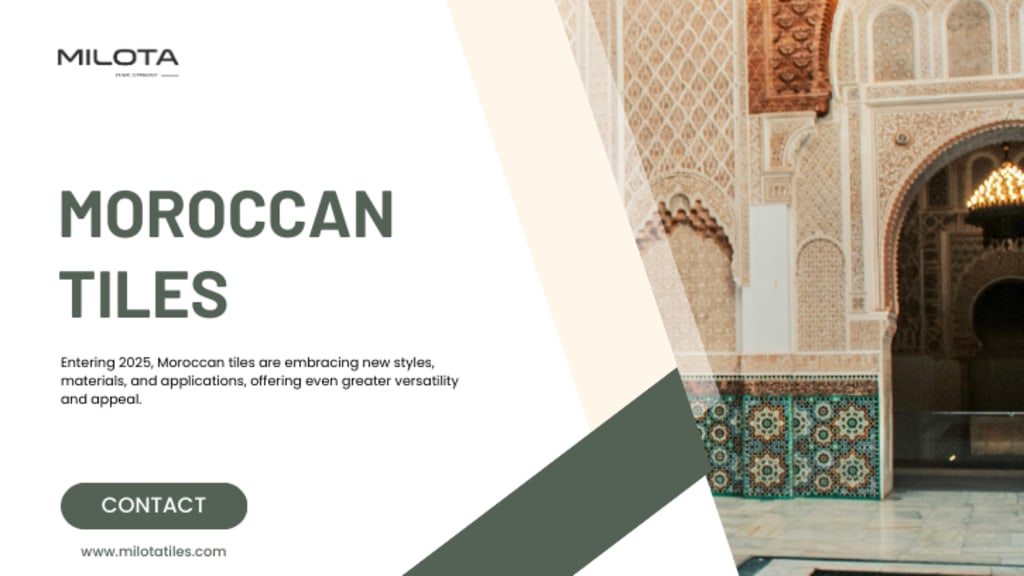
Kitchens are no longer just practical spaces for cooking — they are design statements, gathering places, and the heart of the home. One of the biggest design elements shaping modern kitchens is the use of Moroccan tiles. Known for their rich patterns, bold colors, and unique handmade appeal, Moroccan tiles have become a favorite of homeowners, architects, and interior designers who want to add depth and personality to their kitchen spaces.
As we step into 2025, Moroccan tiles are evolving in style, material, and application, making them even more versatile and exciting. Whether you are remodeling your kitchen or building a new one, this detailed guide will help you discover the best Moroccan tile patterns, colors, layouts, and styling ideas that truly “wow.”
Why Moroccan Tiles Belong in the Kitchen
Moroccan tiles have been around for centuries, originating from the blending of Moorish, Andalusian, and North African artistry. They are recognized for their geometric precision, glazed finishes, and kaleidoscopic designs. When used in kitchens, Moroccan tiles do more than simply cover a surface — they transform the entire mood of the space.
Here’s why they are perfect for kitchens in 2025:
- Durability and Practicality: Most Moroccan tiles are made from hardwearing ceramic, porcelain, or cement, making them suitable for high-traffic areas like the kitchen floor or backsplash.
- Artistic Impact: Moroccan tiles are like functional art — they bring color, symmetry, and personality to an otherwise utilitarian room.
- Versatility: Whether you love minimalism, bohemian chic, or classic elegance, there is a Moroccan tile design to suit your aesthetic.
- Timeless Appeal: Trends come and go, but Moroccan patterns remain classic. Choosing them for your kitchen ensures your design looks relevant for years.
The 2025 Moroccan Tile Kitchen Trend
In 2025, kitchens are all about character, warmth, and tactile finishes. Designers are shifting away from sterile, all-white kitchens and embracing spaces that feel lived-in, layered, and cozy. Moroccan tiles fit perfectly into this narrative because they offer:
- Rich textures: Slightly uneven, hand-glazed tiles that play with light and shadow.
- Warm earthy tones: Terracotta, sage green, warm gray, and muted blues are leading kitchen palettes.
- Bold feature walls: Full-height tiled backsplashes and accent walls are replacing small splash zones.
- Pattern mixing: Floors and backsplashes may feature different Moroccan patterns, creating visual interest while maintaining harmony.
Top Moroccan Tile Patterns for Kitchens in 2025
When it comes to kitchen design, pattern is everything. Here are the most inspiring Moroccan tile patterns making waves this year:
1. Classic Zellige in Glossy Finishes
Zellige tiles are the quintessential Moroccan tile — small, hand-cut, and coated in a glossy glaze that reflects light beautifully. In 2025, zellige is used for full-height kitchen backsplashes, creating a reflective surface that feels dynamic and artisanal.
Where to use: Backsplashes, niche walls, and even the sides of kitchen islands.
Pro tip: Choose tonal grout that blends with the tile color for a more seamless, traditional Moroccan look.
2. Geometric Star-and-Cross Designs
The star-and-cross pattern is a Moroccan icon. Its interlocking star shapes and crosses create a rhythmic, repeating motif that feels sophisticated yet playful.
Where to use: Feature walls behind a stove, open shelving accent walls, or even kitchen floors for bold impact.
Styling tip: Pair with neutral cabinetry to allow the intricate pattern to take center stage.
3. Encaustic-Style Cement Tiles
Cement tiles have been a favorite for years, but 2025 is bringing them back with softer, more earthy tones. Encaustic-style Moroccan tiles with repeating patterns are ideal for anchoring a kitchen floor or breakfast nook.
Where to use: Floors, mudroom entryways connected to kitchens, or large island bases.
Practical tip: Seal cement tiles properly to protect them from stains, as kitchens are prone to spills and splashes.
4. Checkerboard Layouts with Moroccan Flair
The checkerboard pattern is a timeless classic that is getting a Moroccan upgrade. By using two complementary colors — like emerald green and cream or charcoal and ivory — the effect is both dramatic and fresh.
Where to use: Kitchen floors or large backsplash expanses.
Design tip: Go for slightly irregular, handmade tiles for a softer, less formal look.
5. Herringbone and Chevron Installations
Moroccan tiles cut into slim rectangles create stunning herringbone or chevron patterns. This is a perfect choice for those who want pattern without bold motifs.
Where to use: Backsplashes, bar areas, or vertical strips behind open shelving.
Styling tip: Use high-gloss tiles to catch the light and make the pattern more pronounced.
6. Mix-and-Match Moroccan Patchwork
Patchwork layouts combine several Moroccan tile patterns in a curated arrangement, creating a “collected over time” look.
Where to use: Small kitchen floors, pantry walls, or as a backsplash behind a range hood.
Tip: Stick to a cohesive color palette to avoid visual clutter.
Trending Color Palettes for Moroccan Tiles in Kitchens
Color is one of the biggest design drivers for 2025 kitchens. Here are the hues that work beautifully with Moroccan tiles:
Terracotta & Sand: Earthy, grounding, and warm — perfect for Mediterranean-inspired kitchens.
Sage Green & Olive: Brings a fresh, natural feeling and pairs beautifully with wooden cabinetry.
Deep Blue & Indigo: Adds drama and sophistication, great for modern or transitional kitchens.
Soft White & Cream: Timeless and elegant, allows Moroccan patterns to stand out subtly.
Charcoal & Black: Bold and modern, perfect for striking checkerboard or geometric layouts.
Where to Use Moroccan Tiles in the Kitchen
Moroccan tiles are not just for backsplashes. Here are creative ways to integrate them into every corner of the kitchen:
- Full-Height Backsplash: Cover the wall from countertop to ceiling for a seamless, luxurious look.
- Kitchen Island Base: Wrap the island in patterned Moroccan tiles to create a stunning focal point.
- Floor Statement: Use encaustic-style tiles for a kitchen floor that doubles as art.
- Open Shelf Wall: Tile the wall behind open shelving to add depth and make dishware pop.
- Range Niche: Frame the stove area with a bold pattern to highlight the cooking zone.
- Breakfast Nook Accent: Define a small dining area with floor tiles in a different Moroccan pattern.
Combining Moroccan Tiles with Other Materials
In 2025, the key to creating a kitchen that wows is balance. Moroccan tiles pair beautifully with:
- Wood: Natural wood cabinetry tones down bold patterns, making the space feel warm and grounded.
- Stone & Quartz: Neutral countertops like marble-look quartz create a calm canvas for patterned backsplashes.
- Brass & Copper: Warm metallic finishes bring out the richness of Moroccan tile colors.
- Matte Black Fixtures: Adds a modern edge and contrasts nicely with bright or glossy tiles.
Installation and Grouting Tips
Even the most beautiful Moroccan tiles won’t shine if they are poorly installed. Keep these tips in mind:
- Hire Experienced Installers: Moroccan tiles often have slight irregularities — a skilled installer will plan layout and spacing carefully.
- Blend Boxes: Mix tiles from multiple boxes to distribute color variation evenly.
- Choose Grout Wisely: Neutral grout creates a smooth, cohesive look; contrasting grout highlights patterns.
- Plan for Overage: Order 10–15% extra tile to account for cuts, mistakes, and future repairs.
Maintenance Tips for Moroccan Tile Kitchens
Caring for Moroccan tiles properly ensures they look stunning for years:
- Sweep and Mop Regularly: Use pH-neutral cleaners to avoid damaging glazes or cement surfaces.
- Seal Cement Tiles: Reseal periodically to maintain stain resistance.
- Avoid Harsh Chemicals: Skip bleach or acid-based cleaners that can discolor tiles or grout.
- Check Grout Condition: Re-grout or re-seal if you notice discoloration or cracking.
Budget and Planning Considerations
Moroccan tiles come in a wide price range depending on whether they are handmade, machine-produced, or porcelain replicas. When budgeting for your kitchen:
- Factor in Labor: Complex patterns may take longer to install.
- Sample Before Committing: Order samples to see how colors look under your kitchen lighting.
- Balance Splurge and Save: Use pricier handmade tiles in small focal areas and affordable replicas in larger expanses.
Why Choose Milota Tiles for Moroccan Tile Projects
At Milota Tiles, we curate a wide range of Moroccan tiles that combine authentic craftsmanship with modern durability. Our collection includes glossy zellige, encaustic-style porcelain, bold geometric motifs, and subtle tone-on-tone designs — all perfect for kitchen use. Whether you are seeking a dramatic backsplash, a patterned floor, or a patchwork accent wall, we offer tile solutions to bring your vision to life.
Final Thoughts
In 2025, Moroccan tiles are not just a kitchen trend — they are a way to bring history, craftsmanship, and personality into the heart of the home. By carefully selecting patterns, colors, and layouts that suit your space, you can create a kitchen that feels both timeless and of-the-moment.
From glossy zellige backsplashes to bold encaustic floors, Moroccan tiles have the power to transform ordinary kitchens into extraordinary spaces. When paired with thoughtful design, proper installation, and regular maintenance, your kitchen will not just “wow” in 2025 — it will remain a showstopper for years to come.
About the Creator
Milota Tiles
Milota Tile is a proud venture of the Milota Group, rapidly emerging as a leading name in the manufacturing, distribution, and export of premium ceramic and porcelain tiles under the MILOTA brand.
Keep reading
More stories from Milota Tiles and writers in FYI and other communities.
Enhancing Your Pool Area with Tumbled Pavers: Style & Safety
When it comes to creating the perfect poolside retreat, the materials you choose for the surrounding area can make a world of difference. The pool deck is more than just a functional space — it sets the tone for your backyard’s entire aesthetic and plays a key role in safety. This is where tumbled pavers shine. With their timeless look, slip-resistant texture, and durability, they are one of the most sought-after choices for pool areas among homeowners, designers, and contractors alike.
By Milota Tiles4 months ago in FYI
Stages and Classes of Heart Failure Explained
Heart Failure is a serious concern, and it is something that happens due to the gradual decline in health. Heart failure at early stages may not present as a serious disease, but over time, it can develop into a serious disease, which can be life-threatening.
By Sophie Blogs3 days ago in FYI



Comments
There are no comments for this story
Be the first to respond and start the conversation.