
More Weird Idioms and Where They Came From
How many do you know?

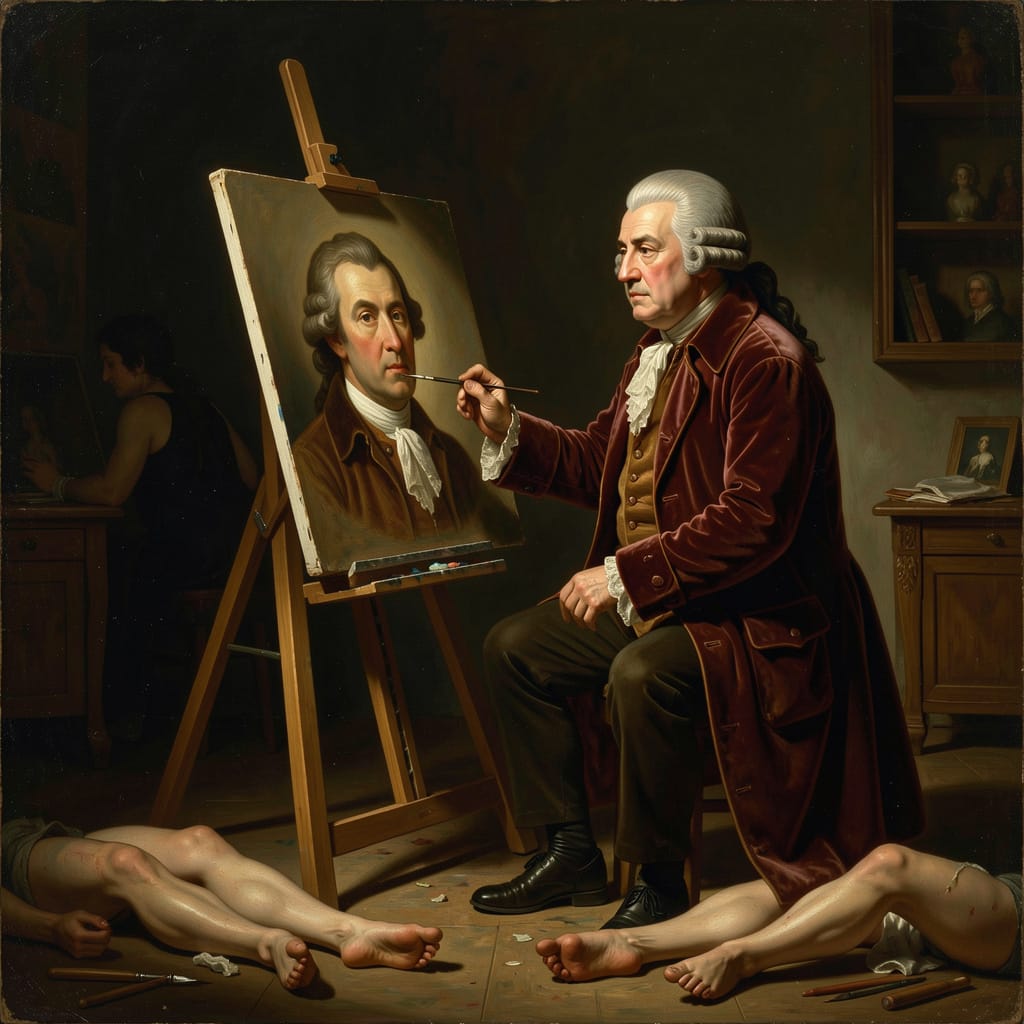
There is nothing like a good idiom or saying. I use them all the time. I think I got it from my mother, who always had a saying (idiom).
Following the previous story I wrote about idioms, here are six more to tickle your fancy.
Have you heard of them?
Do you know where they came from and how they came about?
Read on, dear friend.
#1 Like selling ice to the Eskimos
The term "Eskimo" refers to indigenous peoples of the Arctic region. The phrase started in the early to mid-20th century. It is linked to an outdated stereotype about their lifestyle.
When you think about Eskimos, you immediately think of ice and igloos. Eskimos know all about ice and igloos. The phrase means selling something that customers can already get for free.
It used to describe a smooth-talking salesperson. This person could sell items that customers didn’t actually need. It highlights the ability to create demand where none exists. I
The phrase seems positive, but it has a darker side. It shows the person doesn't have the skills or behaviours for credibility. They also miss out on respect and lasting rewards.
#2 He Knows His Onions
The idiom "know your onions" means having deep, practical knowledge. It's like someone who really understands how to grow and choose onions. It originated in early 20th-century American English.
It was first cited in The Philadelphia Inquirer in 1898 and Harper's Bazaar in 1922. It arose from a 1920s trend of using various items—like oats, apples, or potatoes—to denote expertise.
The phrase comes from 1920s American slang, even though it is linked to British English.
#3 Spill the beans, man!
"Spill the beans" means to reveal a confidence or a secret. Although hotly debated, it is thought to have originated from early Greek voting.
In those days, secret voting was determined by placing white (yes) and black (no) beans in a jar. Spilling the jar prematurely revealed the results.
The phrase gained popularity in the early 20th-century USA. If you tell your friend about her surprise birthday party, you’ve spilled the beans.
The saying gained fame when Schaper invented a game called “Don't Spill the Beans” in 1967. It was a fun game for families. Players tried hard not to “spill the beans” from a wobbly bean pot.
#4 Bite the bullet, my dear man!
"Bite the bullet" means facing a tough situation bravely and accepting it.
It likely started in the 18th-19th century during battlefield surgeries. Wounded soldiers used to clamp on lead bullets when no anesthetic was available.
Some evidence suggests a connection to the British phrase "to bite the cartridge." In the 1857 Indian Rebellion, soldiers had to bite open paper cartridges to load their rifles. That’s how the phrase "bit the bullet" started.
It became famous in literature. This was especially true in Rudyard Kipling’s 1891 novel, The Light That Failed.
#5 Come on shake a leg
The phrase "shake a leg" means to hurry up. It's often used to urge someone to get ready quickly or to start a task right away.
Originating in the early 19th century among sailors when they had to get out of bed. The naval command "show a leg" was used to wake sailors in hammocks. They had to hang a leg over the side to show they were getting up. The phrase later evolved into "shake a leg," meaning "move faster."
#6 That will cost you an arm and a leg
When something is extremely expensive, we say that it will "cost an arm and a leg."
This idiom probably started in the United States around the mid-20th century. It gained popularity after World War II. It indicates a steep price by relating it to a major, lasting sacrifice, such as losing an arm or leg in battle. This idea draws from phrases like "I’d give my right arm."
Many people think this phrase comes from Irish coins in the 17th century. Others say it comes from 18th-century portrait artists. They supposedly charged extra for larger paintings that displayed arms and legs. Rather than just heads and shoulder portraits.
Other cultures have similar phrases; for example, in France – Ça coûte les yeux de la tête – It costs the eyes from the head.
Till next time,
Calvin
About the Creator
Calvin London
I write fiction, non-fiction and poetry about all things weird and wonderful, past and present. Life is full of different things to spark your imagination. All you have to do is embrace it - join me on my journey.
Keep reading
More stories from Calvin London and writers in FYI and other communities.
Corey Lewandowski: Loyalty, Power, and Political Storms
American politics often produces figures who operate quietly behind the scenes. Others step directly into the spotlight, drawing attention not only for their work but also for the debates that follow them. Corey Lewandowski belongs to the second group. For many people, his name is tied to the dramatic rise of Donald Trump’s 2016 presidential campaign. For others, he represents the fierce loyalty and blunt political style that has become common in modern campaigns.Yet the story of Corey Lewandowski is more complex than headlines suggest. His career includes grassroots organizing, political consulting, campaign management, media appearances, and public controversy. Understanding his path helps explain how modern political campaigns operate and why certain personalities thrive within them. His journey offers a close look at loyalty, ambition, and the intense pressure that surrounds American politics.
By Muqadas khana day ago in FYI



Comments (4)
The only one I didn't know was the one about onions lol. However, I didn't know where a single one of them originated from. Loved this!
This was a really interesting and enjoyable read. I learned a few new things about phrases I hear all the time.
Yes, I know those. :D It's nice to read about their origin, though. But instead of 'bite the bullet' I use 'face the music,' which means the same but it's a much nicer idiom. :)
Yehhhhhh I know every one of those…. ha ha thanks for reminding me 🌺🌺🌺🌺🌺🌺