
Mixing Vintage and Modern: Trendsetting Ways to Use Moroccan Tiles
Creating a Bold Focal Point with Moroccan Tiles

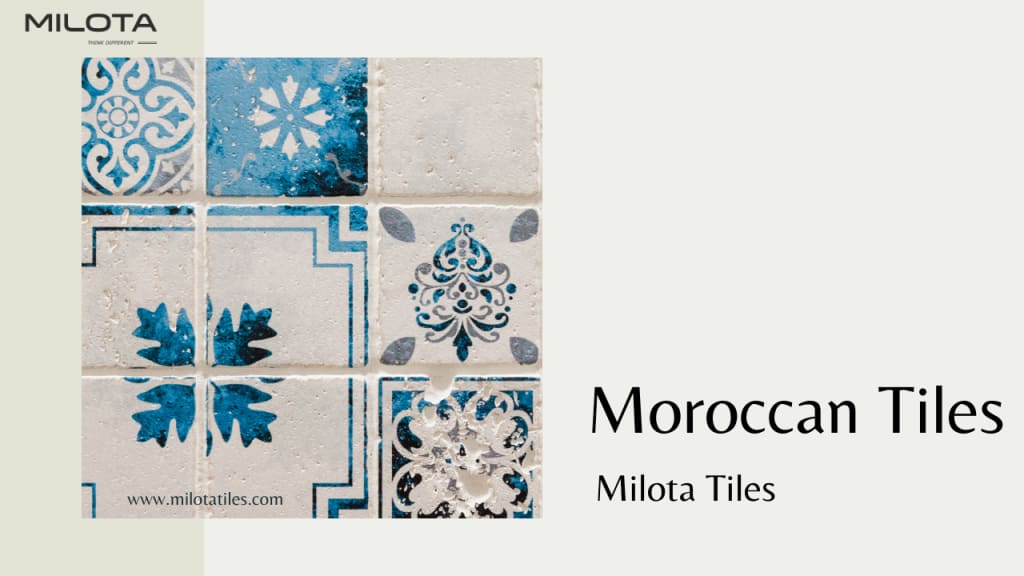
When you think of Moroccan tiles, what comes to mind? Perhaps vibrant patterns, intricate detail, and an air of exotic timelessness. Traditionally, these tiles—often known as zellige—evoke centuries-old craftsmanship. But in today’s stylish interiors, there's a fresh, exciting twist: bridging the gap between vintage charm and contemporary design. In this article, we'll explore trendsetting ways to use Moroccan tiles by seamlessly mixing vintage and modern elements. Whether you're revamping a sleek urban kitchen or injecting character into a minimalist bathroom, the right approach can create spaces that feel both rooted and refreshingly current.
1. Start with a Bold Focal Point
One of the most effective uses of Moroccan tiles is to create a striking focal point in an otherwise modern setting. Think of a fully tiled backsplash in bold geometric blues and whites, set against plain white cabinetry and minimalist hardware. The contrast instantly draws the eye, showcasing the vintage artistry of the tiles while allowing modern design to anchor the space. Similarly, a statement floor—perhaps in an entryway or powder room—using warm earth tones and traditional patterns becomes the star when the surrounding walls and furniture follow a neutral, streamlined palette.
2. Mix Materials for Rich Layering
Let vintage Moroccan tiles shine by layering complementary materials. In a contemporary kitchen, for example, pair a zellige backsplash with modern concrete countertops and sleek matte-black fixtures. Or in a living area, juxtapose a tiled accent wall alongside a modern velvet sofa and brass lighting. The juxtaposition of cool, refined surfaces against the textured warmth of hand-crafted tile creates a tactile, engaging space. This carefully curated contrast adds depth, inviting both sight and touch to linger.
3. Use Moroccan Tiles in Unexpected Places
Venture beyond floors and backsplashes. Moroccan tiles lend character anywhere you apply them. Consider:
- A headboard: Tile the wall directly behind a bed with patterned tiles, framing your sleeping area with artistry.
- A bar or coffee counter: A small counter tiled with Moroccan pattern can inject vitality into a sleek, modern entertaining space.
- Stair risers: Tile the vertical faces of your stair steps—this subtle pop of vintage charm breathes new life into a modern staircase.
Unexpected applications draw attention in delightful ways and elevate an otherwise ordinary element.
4. Tone-on-Tone Pairing for Subtle Elegance
If bold contrast isn’t your style, consider a tone-on-tone approach. Choose Moroccan tiles in a soft, muted palette—think pale gray, sage, or dusty blue—and pair with modern fixtures in similar shades. The result is a layered, monochromatic aesthetic where texture and pattern whisper rather than shout. This subtle marriage of vintage detail and contemporary restraint creates calming spaces—perfect for bathrooms or bedrooms where serenity is key.
5. Frame Vintage Moroccan Tiles with Sleek Lines
Sometimes, all you need to modernize are the right frames and borders. A cluster of small, richly patterned Moroccan tiles can build a vintage vignette—perhaps behind a range hood or within recessed cabinetry. Surround them with sleek, flat-front wood panels or recessed lighting. This “gallery-style” treatment gives reverence to the artisanal tiles while grounding them in a linear, contemporary context.
6. Pair Moroccan Tiles with Minimalist Color Blocks
One of the trendiest moves today is the “color pop with restraint” strategy. Choose a single color from your Moroccan tile (say, azure or terracotta) and incorporate that hue elsewhere in solid form—painted cabinetry, a rug, or statement lighting. The tiles serve as both inspiration and anchor, tying together modern blocks of color with traditional intricacy. It's a design echo that feels intentional, vibrant, yet polished.
7. Outdoor Fusion: Moroccan Tiles Meet Modern Hardscaping
The trend of bringing vintage Moroccan tiles into outdoor spaces is on the rise. Set patterned tiles around an al fresco dining nook within a modern concrete or steel frame. Use them as a fireplace hearth or patio border. The result is a charming fusion: the warmth of vintage patterns harmonizing with the cool lines of modern outdoor living. Plus, Moroccan tiles are highly durable and perfect for weather-exposed environments—beauty that lasts.
8. Layer Rugs & Textiles for Mixed-Pattern Harmony
If you’ve already incorporated Moroccan tiles—especially flooring—complete the look with area rugs and textiles that coordinate rather than compete. A denim-toned rug with minimal pattern can calm a boldly tiled floor. Alternatively, for a maximalist approach, layer a neutral-modern rug atop tiled flooring—this adds softness and reinforces the modern/vintage balance. Throw cushions or throws in colors drawn from the Moroccan palette can further tie these elements together.
9. Lighting as the Bridge Between Old and New
Lighting can act as a transitional element when blending vintage Moroccan tiles with modern design. A pendant light with a slim, industrial profile can hover above a tiled countertop, or an ultra-modern flush fixture can highlight a tiled wall, bringing attention to its depth and detail. The key is choosing fixtures with contemporary shapes or materials (like matte metal or clear glass) to frame and elevate the vintage work below.
10. Keep Surrounding Spaces Minimal
Let’s be frank: Moroccan tiles are unapologetically bold. When weaving them into modern settings, simplicity in surrounding elements—walls, cabinetry, accessories—is crucial. A modern bathroom with clean lines and a floating vanity allows a vintage tiled backsplash to stand out exquisitely. A living room with uncluttered furniture gives your tiled accent wall room to breathe. The serenity of modern minimalism is the perfect canvas for Moroccan artistry.
Why This Fusion Works
- Timeless Appeal: Moroccan tiles carry centuries of craft legacy. When paired with modern design, they add rooted authenticity.
- Visual Contrast: Patterned, hand-crafted tiles paired with sleek, contemporary materials make each component shine brighter.
- Personalized Spaces: Vintage-modern fusion invites curated, editorial-style interiors—not generic, not dated, but deeply distinctive.
- Versatility: These tiles are as at home in a futuristic loft as in a boho farmhouse. It’s all in how you pair them.
Practical Tips Before You Begin
- Test Tiles in Context: Bring samples home to observe how they behave under your natural and artificial lighting.
- Consider Scale: Larger patterned tiles work well in spacious areas; smaller or repeating patterns excel in smaller or accent spots.
- Plan Layout Ahead: Especially with stairs, borders, or backsplashes—pre-layout to minimize mismatched cuts.
- Choose Quality: Authentic, hand-crafted Moroccan tiles have depth and variation. They're worth the investment for long-term appeal and durability.
- Balance Boldness with Restraint: One statement wall or floor is enough. Let surrounding surfaces be calm.
Final Thoughts
Infusing Moroccan tiles into modern interiors isn’t just a design statement—it’s a storytelling choice. It’s about honoring centuries of artisanry while embracing sleek, contemporary aesthetics. Whether you create a bold backsplash corridor, a whisper-soft monochromatic vignette, or a lush outdoor courtyard, the key is balance.
By thoughtfully mixing vintage Moroccan tile patterns with modern lines, clean materials, and deliberate minimalism, your space becomes both a nod to tradition and a celebration of now. That’s the future of interior design: bold, personal, timeless.
About the Creator
Milota Tiles
Milota Tile is a proud venture of the Milota Group, rapidly emerging as a leading name in the manufacturing, distribution, and export of premium ceramic and porcelain tiles under the MILOTA brand.
Keep reading
More stories from Milota Tiles and writers in FYI and other communities.
Moroccan Tiles in Global Architecture: A Rising Trend in 2025
When it comes to design elements that stand the test of time, few materials rival the beauty, craftsmanship, and cultural depth of Moroccan Tiles. Known for their intricate patterns, vibrant colors, and centuries-old heritage, these tiles are stepping into the global spotlight once again in 2025. From luxurious villas in Europe to contemporary apartments in New York and high-end resorts in Asia, Moroccan Tiles are redefining architectural elegance across the world.
By Milota Tiles7 months ago in FYI


Comments
There are no comments for this story
Be the first to respond and start the conversation.