
Moroccan Tiles in Global Architecture: A Rising Trend in 2025
The Timeless Heritage of Moroccan Tiles
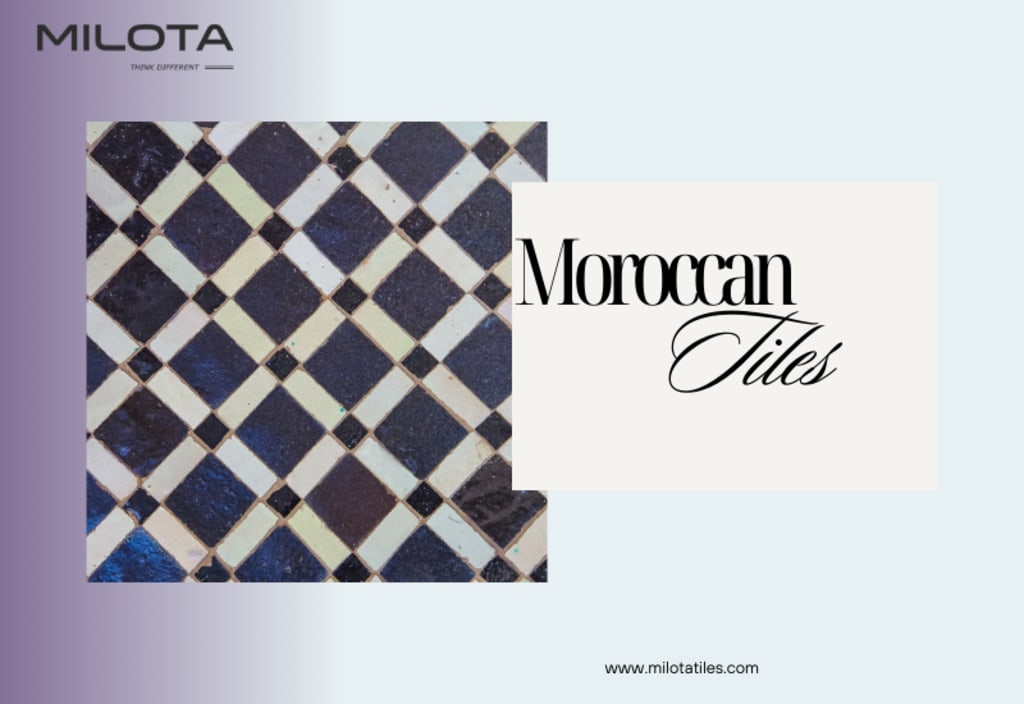
When it comes to design elements that stand the test of time, few materials rival the beauty, craftsmanship, and cultural depth of Moroccan Tiles. Known for their intricate patterns, vibrant colors, and centuries-old heritage, these tiles are stepping into the global spotlight once again in 2025. From luxurious villas in Europe to contemporary apartments in New York and high-end resorts in Asia, Moroccan Tiles are redefining architectural elegance across the world.
In this article, we’ll explore how Moroccan Tiles are shaping global architecture, why they are in demand in 2025, and how designers and homeowners are incorporating them into modern spaces.
The Timeless Heritage of Moroccan Tiles
Moroccan Tiles, often referred to as zellige tiles, trace their origins back to the 10th century in Morocco. They were initially crafted by skilled artisans who meticulously shaped and glazed each piece by hand. Traditionally, these tiles adorned mosques, palaces, and courtyards, symbolizing harmony, spirituality, and cultural pride.
Over the centuries, Moroccan Tiles became celebrated worldwide for their:
- Geometric precision reflecting Islamic art.
- Vivid color palettes inspired by nature and Moroccan landscapes.
- Durability that withstands both time and climate.
This heritage continues to influence modern design, making Moroccan Tiles not just a flooring or wall solution but an art form that bridges history and contemporary living.
Why Moroccan Tiles Are Trending Globally in 2025
1. A Shift Toward Cultural Aesthetics
In 2025, homeowners and architects are moving beyond minimalist monotones. They’re embracing bold cultural designs that reflect identity, storytelling, and craftsmanship. Moroccan Tiles fit perfectly into this shift, offering vibrant patterns that bring life and personality into any space.
2. Sustainability and Craftsmanship
The demand for sustainable materials has never been higher. Moroccan Tiles, often crafted from natural clay and glazed with eco-friendly finishes, align with green building trends. Their handcrafted nature also supports artisan communities, a value increasingly prioritized in global architecture.
3. Versatility in Design
From kitchens and bathrooms to patios and luxury hotel lobbies, Moroccan Tiles adapt to various settings. In 2025, architects are blending them with modern materials like concrete, steel, and glass, creating stunning contrasts that elevate spaces.
4. A Statement of Luxury
Luxury homes and resorts around the globe are turning to Moroccan Tiles as statement pieces. Their uniqueness ensures that no two installations are alike, making them a symbol of exclusivity in high-end design.
Moroccan Tiles in Different Parts of the World
Europe
European designers are rediscovering Moroccan Tiles as a way to add warmth and richness to interiors. Mediterranean villas, Spanish courtyards, and French farmhouses increasingly feature Moroccan-inspired mosaics, blending tradition with European elegance.
North America
In the U.S. and Canada, Moroccan Tiles are trending in urban apartments and suburban homes alike. Kitchens with Moroccan tile backsplashes, entryways with patterned flooring, and spa-like bathrooms are becoming key design features in 2025.
Middle East and Asia
Luxury resorts in Dubai, Bali, and Thailand are embracing Moroccan Tiles for their exotic appeal. Their vibrant patterns complement tropical landscapes and opulent architectural styles, making them popular in high-end hospitality projects.
Africa
Closer to their origin, Moroccan Tiles continue to be celebrated across Africa. In 2025, architects are using them to blend traditional artistry with modern African architecture, creating designs that pay homage to heritage while embracing innovation.
Popular Design Trends with Moroccan Tiles in 2025
- Geometric Flooring – Bold geometric Moroccan Tile floors are a favorite in living rooms and commercial spaces.
- Color Fusion – Combinations of turquoise, cobalt blue, terracotta, and white are making waves in global projects.
- Accent Walls – Designers use Moroccan Tiles to create feature walls in lounges, lobbies, and bedrooms.
- Outdoor Spaces – Courtyards, patios, and poolside areas adorned with Moroccan Tiles bring luxury outdoors.
- Minimalist Blends – Pairing Moroccan Tiles with muted walls and modern furniture is a key 2025 trend.
How Homeowners Can Incorporate Moroccan Tiles
For homeowners inspired by this rising global trend, Moroccan Tiles can be introduced in both subtle and bold ways:
- Kitchens: Add a backsplash for an instant cultural upgrade.
- Bathrooms: Use Moroccan Tiles on shower walls or floors to create a spa-like retreat.
- Hallways: Make a lasting impression with patterned entryway flooring.
- Living Rooms: Create a feature wall that becomes the focal point of the space.
- Outdoors: Enhance garden paths, patios, or pool decks with Moroccan Tile elegance.
Why Choose Moroccan Tiles from MILOTA Tiles
At MILOTA Tiles, we bring authentic craftsmanship and modern quality together. Our collection of Moroccan Tiles reflects centuries of tradition while meeting contemporary standards of durability and style. Whether you’re an architect, interior designer, or homeowner, MILOTA offers a wide range of colors, patterns, and finishes to elevate your project.
By choosing MILOTA’s Moroccan Tiles, you’re not just adding beauty to your space—you’re embracing an art form that has stood the test of time and is now redefining global architecture in 2025.
Conclusion
As we move through 2025, Moroccan Tiles are more than just a design element—they’re a cultural movement reshaping global architecture. Their blend of tradition, artistry, and modern versatility makes them a top choice for architects, designers, and homeowners worldwide. From European villas to American kitchens and Asian resorts, Moroccan Tiles are the rising trend bringing color, identity, and luxury to spaces everywhere.
About the Creator
Milota Tiles
Milota Tile is a proud venture of the Milota Group, rapidly emerging as a leading name in the manufacturing, distribution, and export of premium ceramic and porcelain tiles under the MILOTA brand.
Keep reading
More stories from Milota Tiles and writers in FYI and other communities.
The Return of Pattern: Why Moroccan Tiles Are Trending Now
Interior design trends often circle back to what’s timeless, and 2025 has brought one of the most exciting revivals yet: the return of bold pattern through Moroccan Tiles. For decades, minimalism and clean lines have dominated homes and commercial spaces, with neutral palettes taking center stage. But as homeowners, architects, and designers seek warmth, identity, and artistry in their spaces, Moroccan Tiles are becoming the go-to choice. Their rich colors, intricate motifs, and cultural heritage are adding soul where plainness once prevailed.
By Milota Tiles7 months ago in FYI


Comments
There are no comments for this story
Be the first to respond and start the conversation.