
Mastering Blood Sugar Control: A Holistic Guide to Healthier Living
Essential Insights on Managing Blood Sugar Levels, Preventing Diabetes, and Enhancing Well-Being Understanding Blood Sugar Levels: A Comprehensive Guide

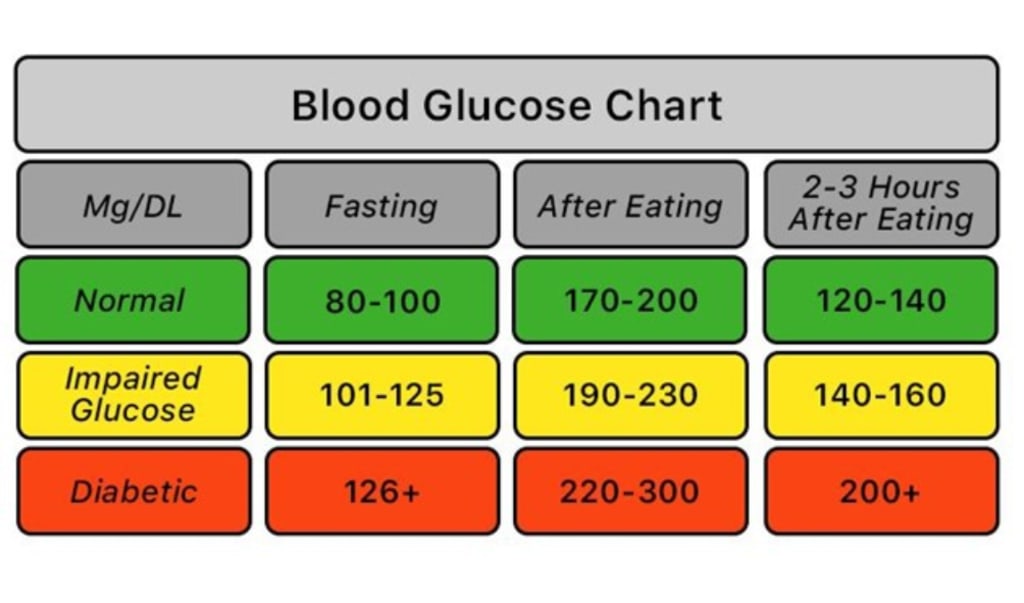
What Sugar Level Is Normal?
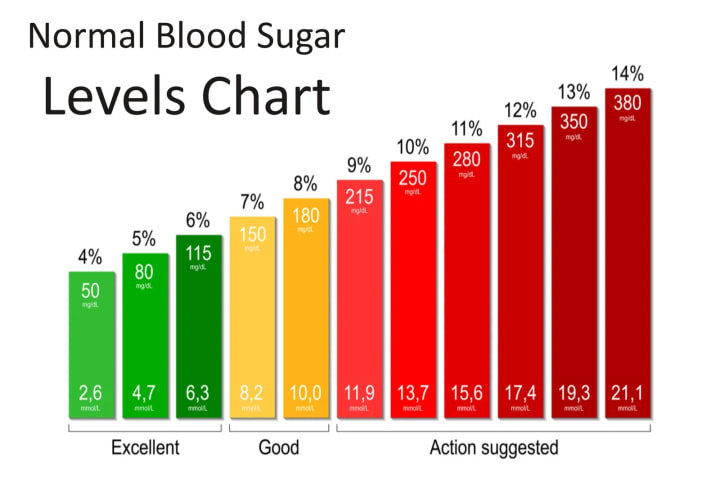
Blood sugar, also known as glucose, is our body’s main energy source. It comes from the carbohydrates in our diet, fueling our cells to perform their functions. The body maintains balanced blood sugar levels through a complex network of hormones, with insulin taking center stage in this process.
The Vital Role of Insulin
Insulin, a hormone produced by the pancreas, is essential for managing blood sugar levels. Blood sugar levels increase after eating, which causes the pancreas to release insulin.. Insulin signals cells to absorb glucose from the bloodstream, either to use it immediately for energy or to store it as glycogen in the liver and muscles for future needs.
Normal Blood Sugar Ranges
Fasting Blood Sugar: Measured after fasting for 8–12 hours, with a normal range of 70–99 mg/dL.
Postprandial Blood Sugar: Measured 1–2 hours after a meal, with a normal range of less than 140 mg/dL.
Hemoglobin A1c (HbA1c): Reflects average blood sugar over the last 2–3 months. HbA1c result below 5.7% is considered healthy.
Key Factors Influencing Blood Sugar Levels
Several factors impact blood sugar, including diet, physical activity, stress, and genetics. Understanding these factors can help you make lifestyle choices that support healthy blood sugar.
Diet
Carbohydrates: Carbohydrates impact blood sugar the most. Simple carbohydrates, such as white bread and sugar, breakdown fast and cause blood sugar rises. Complex carbs, such as whole grains, fruits, and vegetables, are digested more gradually, resulting in a steady rise in blood sugar.
Fiber: Fiber helps slow down glucose absorption, stabilizing blood sugar.
Proteins and Fats: These nutrients slow down the absorption of carbs, reducing sudden blood sugar increases.
Physical Activity: Regular exercise enhances insulin sensitivity, making cells more efficient at using glucose. This helps regulate blood sugar levels, particularly in individuals with diabetes.
Stress: Cortisol and other stress hormones can cause blood sugar levels to rise.. Managing stress is key to maintaining stable levels.
Medications: Some medications, like corticosteroids and certain diuretics, may raise blood sugar levels as a side effect.
Illness: Illnesses can disrupt blood sugar control due to the body’s response to fighting off infections.
Genetics: The chance of getting diabetes is increased if there is a family history of the disease.
Age: As people age, their bodies may become less efficient at producing and using insulin, impacting blood sugar control.
Types of Diabetes
Type 1 Diabetes: This autoimmune condition damages insulin-producing cells in the pancreas, requiring insulin therapy for blood sugar management.
Type 2 Diabetes: The most common type, associated with insulin resistance, where cells become less responsive to insulin. It's often linked to lifestyle factors like diet and physical inactivity.
Health Risks of Chronic High Blood Sugar
If unmanaged, high blood sugar levels can lead to serious health complications:
Heart Disease: Increased risk of heart attack and stroke.
Kidney Disease: Can damage kidneys, potentially leading to kidney failure.
Nerve Damage (Neuropathy): Can cause numbness, tingling, and pain, particularly in the extremities.
Eye Damage (Retinopathy): Can harm blood vessels in the retina, potentially leading to vision loss.
Poor Wound Healing: High blood sugar can slow down the body’s healing process.
Increased Infection Risk: High blood sugar weakens the immune system, raising the likelihood of infections.
Practical Tips for Blood Sugar Management
Maintaining blood sugar levels within a healthy range is possible through mindful lifestyle practices:
Balanced Diet: Opt for whole foods like fruits, vegetables, lean proteins, and healthy fats. Avoid processed foods and refined carbs to minimize blood sugar fluctuations.
Frequent Physical Activity: Try to get in at least 150 minutes a week of moderate exercise.
Monitor Blood Sugar: Use a glucose meter if recommended by your healthcare provider to understand how different foods and activities impact your blood sugar.
Stress Management: Incorporate relaxation techniques like meditation, deep breathing, or yoga into your routine.
Adherence to Medication: Take prescription drugs as your doctor instructs.
Routine Check-ups: Regular visits with your healthcare provider can help you stay on top of your blood sugar and overall health.
When to Consult a Healthcare Provider
It’s important to reach out to a healthcare professional if you experience any of the following symptoms:
Frequent urination
Excessive thirst
Unexplained weight loss
Blurred vision
Slow-healing wounds
Tingling or numbness in extremities
Frequent infections
Conclusion
Understanding and managing blood sugar is essential for long-term health. By making informed food choices, engaging in regular physical activity, managing stress, and adhering to medical guidance, you can keep blood sugar levels within a healthy range and lower the risk of diabetes-related complications.
About the Creator
PRABAL TR PRO
✅ "Writer & Poet ✍️ | Exploring ideas, stories, and insights that inspire & captivate! From culture to creativity—let’s dive into the world of words!"
Keep reading
More stories from PRABAL TR PRO and writers in FYI and other communities.
The End of Ceasefire: Why Israel Resumed Attacks on Gaza
Israel-Gaza Conflict: The Latest Developments, Causes & Global Impact Introduction The Middle East is once again at the center of global attention as Israel has launched a massive wave of airstrikes on Gaza, killing over 400 people in just a few hours. Israeli officials have declared that the attacks are "only the beginning," raising concerns about an escalating humanitarian crisis. With ceasefire agreements now shattered, tensions in the region are at an all-time high.
By PRABAL TR PRO10 months ago in FYI



Comments
There are no comments for this story
Be the first to respond and start the conversation.