
The End of Ceasefire: Why Israel Resumed Attacks on Gaza
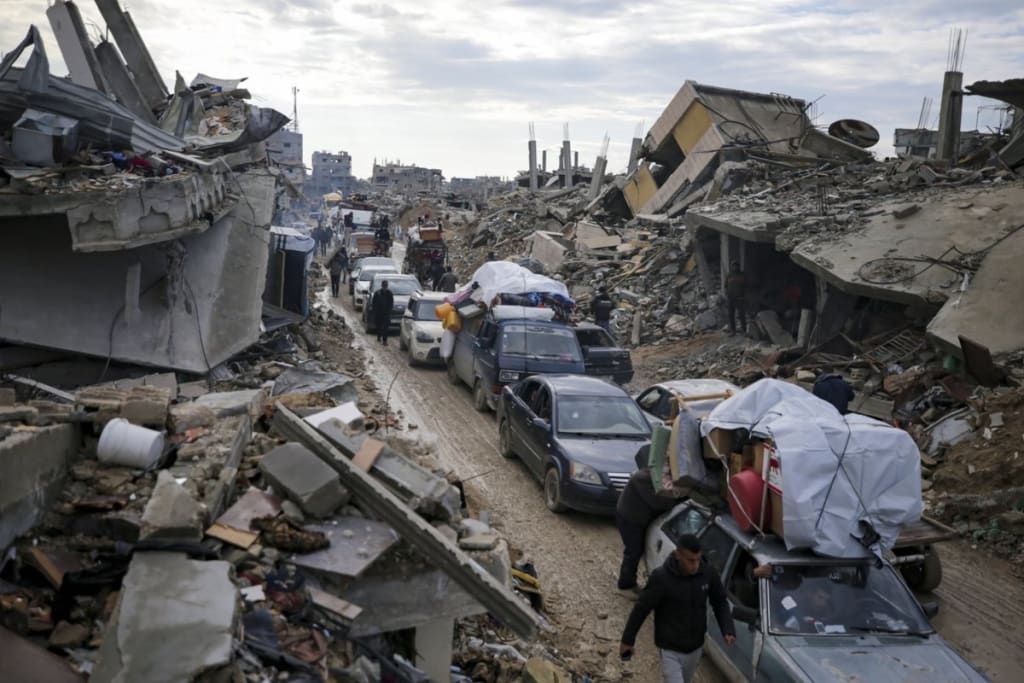
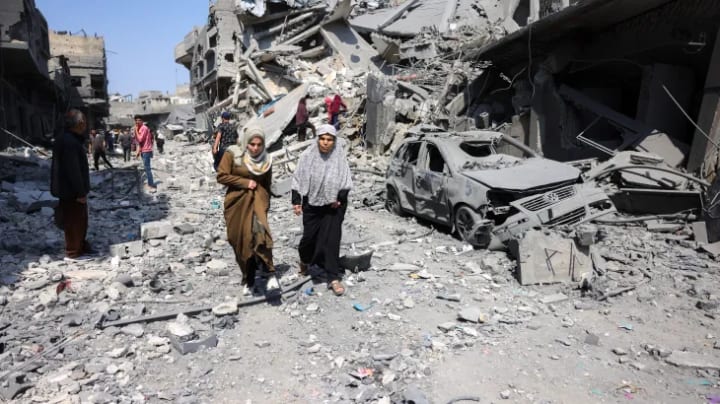
Over 400 Killed: The Shocking Aftermath of Israel's Latest Bombing

Israel-Gaza Conflict: The Latest Developments, Causes & Global Impact
Introduction
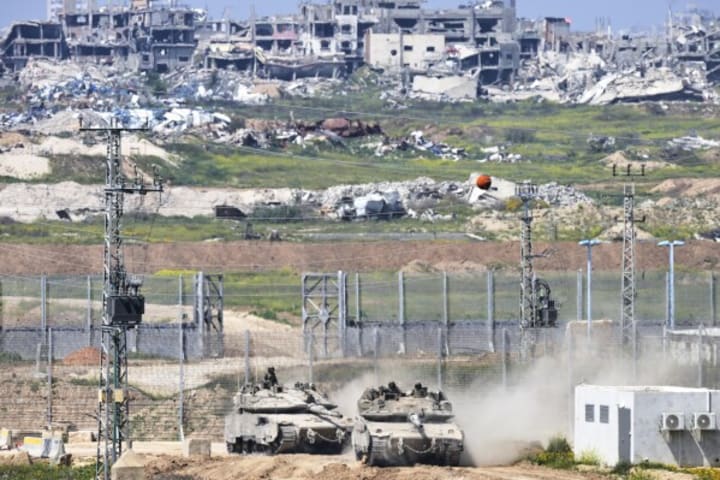
The Middle East is once again at the center of global attention as Israel has launched a massive wave of airstrikes on Gaza, killing over 400 people in just a few hours. Israeli officials have declared that the attacks are "only the beginning," raising concerns about an escalating humanitarian crisis. With ceasefire agreements now shattered, tensions in the region are at an all-time high.
This article provides an in-depth analysis of the current situation, the reasons behind Israel’s decision to resume attacks, the geopolitical consequences, and what it means for the future of the Israel-Palestine conflict.
The End of Ceasefire: Why Israel Resumed Its Attacks on Gaza
1. Breaking Down Netanyahu’s Decision
Israeli Prime Minister Benjamin Netanyahu has defended the airstrikes, stating that Hamas' actions left Israel with "no choice but to respond with full force." But why did Israel choose this exact moment to break the ceasefire?
• Intelligence reports suggest that Hamas was rearming during the truce.
• Political pressure within Israel urged Netanyahu to take a harder stance.
• The failure of indirect negotiations for long-term peace talks.
2. The Human Cost of War: Over 400 Lives Lost in Hours
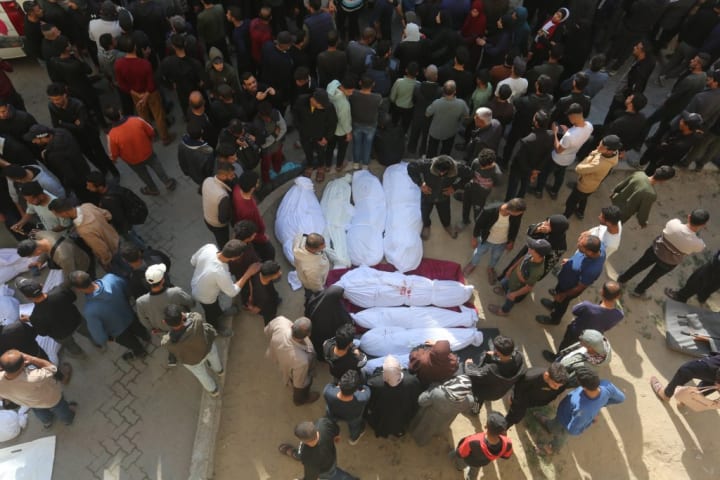
According to The Washington Post, the initial airstrikes have resulted in mass casualties. Hospitals in Gaza are overwhelmed, and international humanitarian organizations warn of an impending catastrophe.
Key facts:
• Number of fatalities: Over 400 reported dead.
• Injured civilians: Thousands in hospitals with inadequate medical supplies.
• International reactions: The UN, EU, and various human rights groups have condemned the escalation.
Geopolitical Consequences: How Will the World React?
1. US and Western Nations’ Response
The United States has traditionally been a staunch ally of Israel. However, in recent weeks, there has been growing criticism from Democratic lawmakers calling for Israel to de-escalate the situation.
• Joe Biden's administration has urged restraint but stopped short of condemning Israel’s actions.
• European Union leaders are divided on their stance.
• Russia and China have criticized Israel, citing international law violations.
2. Middle East Reactions: Will This Spark a Larger War?
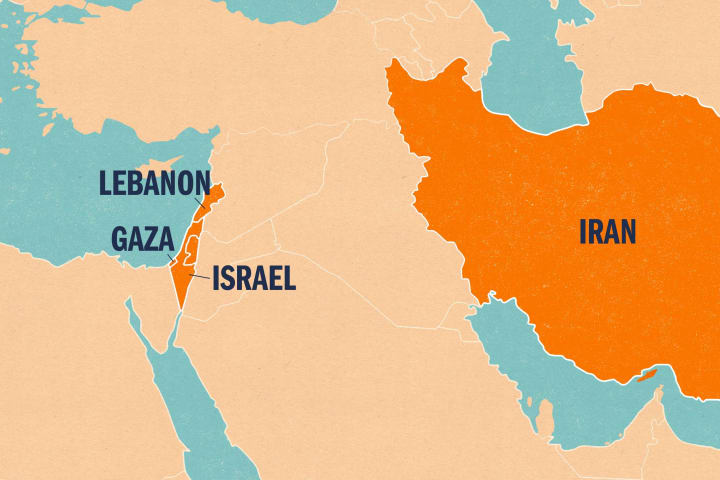
Neighboring Arab nations, including Egypt and Jordan, have expressed outrage over the renewed violence. There are concerns that a larger regional conflict may emerge, involving:
• Hezbollah in Lebanon potentially launching attacks on northern Israel.
• Iran backing Palestinian militant groups with weapons and funding.
• Turkey’s strong opposition to Israeli military action.
Historical Context: The Israel-Palestine Conflict in Brief
To understand the current escalation, it is essential to review the historical roots of the conflict.
1. A Century-Old Conflict
• 1917: Balfour Declaration - British government supports a Jewish homeland in Palestine.
• 1948: Creation of Israel - Leads to the first Arab-Israeli war.
• 1967: Six-Day War - Israel captures Gaza, the West Bank, and East Jerusalem.
• 1993: Oslo Accords - Attempted peace deal that ultimately failed.
• 2007-Present: Gaza under Hamas control, multiple wars and ceasefires.
2. What Has Changed in 2024?
• Increased tensions in Jerusalem’s holy sites.
• Hardline policies from Netanyahu’s far-right government.
• Hamas and Islamic Jihad growing in strength due to foreign support.
The Role of the Media: Misinformation and Bias
In times of war, information warfare is just as critical as the battles on the ground.
1. How Social Media is Fueling the Conflict
• Fake news and propaganda are being spread widely on platforms like X (formerly Twitter), Facebook, and Telegram.
• AI-generated misinformation is making it harder to discern facts from fiction.
• Censorship and bias in Western vs. Middle Eastern media coverage.
2. How to Stay Informed with Reliable Sources
To avoid falling for misinformation, follow credible sources such as:
• Al Jazeera (Middle East-focused)
• The Washington Post (Western perspective)
• AP News (Neutral and fact-based reporting)
• BBC, Reuters, The Guardian (Globally recognized media outlets)
What’s Next? Possible Scenarios for Israel and Gaza
The war has reached a turning point, but what happens next?
1. Will There Be a Ceasefire?
International mediators, including Egypt and Qatar, are pushing for another ceasefire. However, Israel’s government has indicated they will not stop until Hamas is significantly weakened.
2. A Larger Regional Conflict?
There is concern that Iran or Hezbollah could enter the war, dragging the entire Middle East into a larger conflict. If that happens, the world may see oil prices skyrocket and global markets take a hit.
3. Humanitarian Crisis Worsens
Regardless of military actions, the civilians in Gaza will bear the brunt of this war. Humanitarian groups are calling for:
• Immediate ceasefire to prevent further loss of life.
• Unhindered access for medical aid and relief supplies.
• Global intervention to secure peace negotiations.
Conclusion: A Call for Peace Amidst Chaos
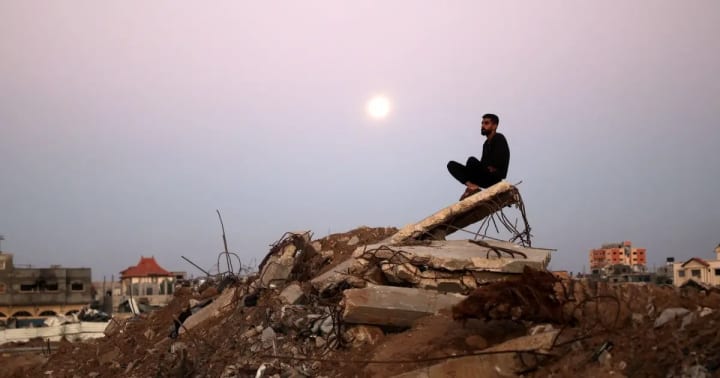
The Israel-Gaza conflict is one of the most complex and long-standing geopolitical crises in modern history. While military strategies and political interests drive decision-making, it is the innocent civilians on both sides who suffer the most.
The world is watching as events unfold, but will global leaders take the necessary steps to stop the violence? Only time will tell.
Author’s Note:
As tensions rise, it is crucial to stay informed through unbiased, factual sources. This article aims to provide a balanced perspective based on verified reports. War is devastating, and we can only hope for peace and justice for all affected.
________________________________________
Do you think a peaceful resolution is possible? Share your thoughts in the comments!
About the Creator
PRABAL TR PRO
✅ "Writer & Poet ✍️ | Exploring ideas, stories, and insights that inspire & captivate! From culture to creativity—let’s dive into the world of words!"
Keep reading
More stories from PRABAL TR PRO and writers in FYI and other communities.
How Bird Flu 2025 Could Reshape Global Health and Economy
Bird Flu 2025: A Global and Indian Perspective on the Looming Threat The year 2025 is approaching, bringing renewed concerns about a potential global health crisis: Bird Flu. Also known as Avian Influenza, this zoonotic disease has long troubled health experts, governments, and communities. With increasing global trade and climate change influencing disease spread, the question remains: Are we prepared for another outbreak?
By PRABAL TR PRO11 months ago in FYI
The Devil's Cut
“Comrade, finally you’re awake.” The voice was smooth, sensual. A flickering incandescent bar was all that lit the white, sterile room. All Vladimir remembered was everything going black. He tried to move his arms and found them strapped to the gurney.
By Matthew J. Fromm5 days ago in Fiction


Comments
There are no comments for this story
Be the first to respond and start the conversation.