
Somaliland and the Quiet Struggle for Recognition and Dignity
Somaliland is a place many people have never heard of, yet millions call it home. It exists in a space between memory and denial, stability and neglect

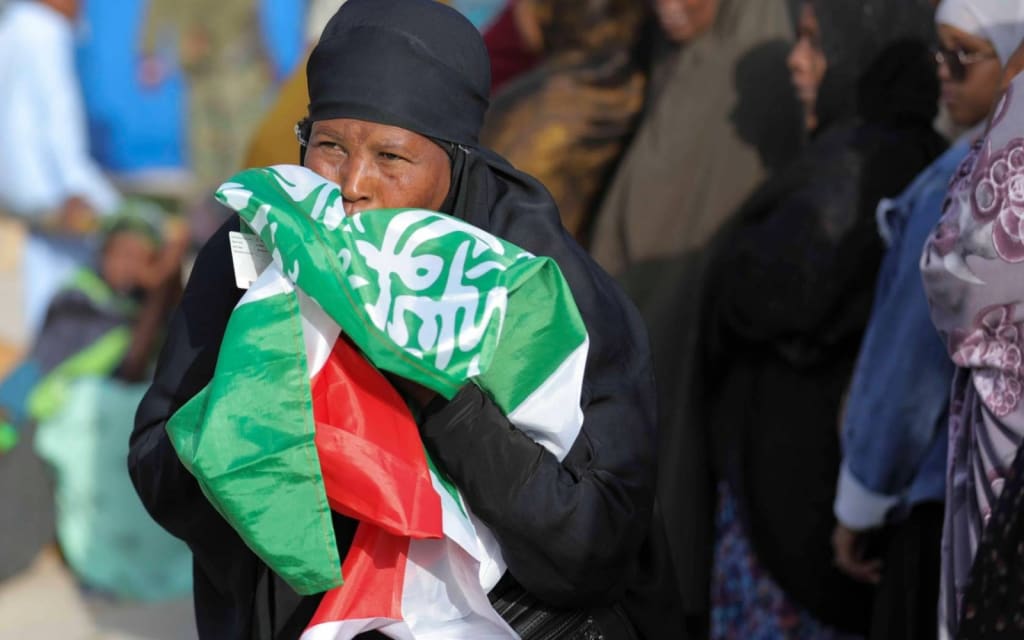
Somaliland is a place many people have never heard of, yet millions call it home. It exists in a space between memory and denial, stability and neglect. On maps, it is often missing. In global conversations, it is rarely mentioned. But on the ground, life continues with determination and care. This article is not about conflict headlines or political slogans. It is about people who built order after collapse, peace after violence, and hope without applause. Somaliland’s story is quiet, steady, and deeply human. To understand it is to understand how dignity can survive without permission, and how identity can remain strong even when the world refuses to say your name.
What Is Somaliland
Somaliland is a self-declared state in the Horn of Africa, located in the northern part of what is internationally recognized as Somalia. It declared independence in 1991 after the collapse of the Somali central government.
Since then, Somaliland has governed itself with its own institutions, borders, currency, and security forces.
Yet it remains unrecognized by most of the world.
This gap between reality and recognition defines much of Somaliland’s experience.
A Brief Historical Background
Colonial Roots
Somaliland was once a British protectorate, known as British Somaliland. In 1960, it gained independence and later joined with Italian Somaliland to form the Somali Republic.
The union was driven by hope but weakened by imbalance.
Political power and resources became centralized elsewhere, leaving Somaliland marginalized.
Civil War and Separation
During the late 1980s, the region suffered heavy violence under Somalia’s military regime. Cities were destroyed. Families were displaced.
When the central government collapsed in 1991, Somaliland chose a different path.
It declared independence, not out of ambition, but survival.
Building Stability From Ruins
Peace Without External Control
One of the most striking aspects of Somaliland is how peace was built. Clan elders, community leaders, and local agreements played a central role.
There were no large foreign peacekeeping missions.
The process was slow, imperfect, and deeply local.
That local ownership created trust.
Creating Institutions Step by Step
Somaliland developed a hybrid system that blended traditional authority with modern governance.
It formed a parliament, held elections, and drafted a constitution.
Mistakes were made, but the process continued.
Stability grew from patience, not pressure.
Daily Life in Somaliland
Ordinary Lives, Quiet Resilience
Life in Somaliland is not dramatic in the way news often portrays the region. People go to work, attend school, open shops, and gather for tea.
Markets are busy. Streets are familiar.
This normalcy is often overlooked, but it matters deeply.
Family and Community Bonds
Family structures remain strong. Neighbors rely on each other.
In times of hardship, community support fills gaps left by limited resources.
This social fabric is one of Somaliland’s greatest strengths.
The Capital City: Hargeisa
A City Rebuilt by Its People
Hargeisa was heavily damaged during the civil war. Much of it had to be rebuilt from nothing.
Today, it is a functioning capital shaped by local effort.
Buildings may be modest, but purpose is clear.
Cultural Life and Expression
Hargeisa hosts book fairs, poetry events, and public discussions.
Art and literature play a role in healing and identity.
Culture becomes a way to say, we are still here.
Somaliland’s Political System
Elections and Participation
Somaliland has held multiple elections with peaceful transfers of power.
Voters participate with pride, even without international recognition.
Ballots become symbols of dignity.
Challenges Within Governance
Like any political system, Somaliland faces criticism. Delayed elections, limited resources, and internal disagreements exist.
These challenges are discussed openly.
The conversation itself shows political maturity.
The Question of Recognition
Living Without a Seat at the Table
Somaliland functions as a state, but lacks formal recognition.
This limits access to international aid, loans, and diplomacy.
Leaders travel with difficulty. Agreements are informal.
The cost is real and ongoing.
Why Recognition Matters
Recognition is not just symbolic. It affects healthcare funding, education partnerships, and economic growth.
Without it, Somaliland must rely heavily on its own capacity.
This makes progress slower, but also deeply rooted.
Economy and Livelihoods
Livestock and Trade
Livestock remains a key part of Somaliland’s economy. Exports support many families.
Small businesses form the backbone of urban life.
People build livelihoods with limited tools but strong determination.
Remittances From the Diaspora
The Somaliland diaspora plays a vital role. Money sent from abroad supports households, schools, and clinics.
These connections bridge continents.
They also carry emotional weight.
Education and the Next Generation
Schools Built From Scratch
After the war, schools had to be rebuilt almost entirely.
Communities came together to create classrooms, often with minimal resources.
Education became a shared responsibility.
Youth and Uncertain Futures
Young people in Somaliland face limited job opportunities.
Many dream of studying or working abroad.
Yet many also stay, hoping to build something lasting at home.
Healthcare and Social Services
Limited Resources, Strong Effort
Healthcare services exist but are stretched thin.
Doctors and nurses work under pressure.
Community clinics often fill gaps where state systems cannot reach.
Traditional and Modern Care
Traditional healing practices still exist alongside modern medicine.
People navigate both worlds carefully.
Health becomes a shared concern, not just an individual one.
Women in Somaliland Society
Strength in Daily Life
Women play central roles in families, markets, and peacebuilding.
Many run businesses and manage households.
Their work is essential, even when underrecognized.
Barriers and Progress
Women face social and political barriers, especially in formal leadership roles.
Progress is slow but ongoing.
Change comes through dialogue rather than confrontation.
Media and Freedom of Expression
Local Journalism
Somaliland has local media outlets that report on politics and social issues.
Journalists operate with more freedom than in many neighboring areas.
Criticism exists, though not without limits.
Public Debate
Public discussion is part of Somaliland’s political culture.
People argue, reflect, and question authority.
This openness helps maintain balance.
Security and Regional Relations
Maintaining Internal Peace
Security forces focus mainly on internal stability.
Violence is relatively low compared to the region.
This stability is fragile but protected carefully.
Relations With Neighbors
Somaliland maintains working relationships with nearby regions and countries.
These are often informal but practical.
Diplomacy happens quietly.
Identity and National Pride
What It Means to Be From Somaliland
For many, Somaliland is not just a place. It is a hard-earned identity.
Pride comes from survival and self-rule.
Even without recognition, the sense of belonging is strong.
Symbols and Shared Memory
Flags, songs, and public holidays reinforce shared history.
These symbols matter deeply.
They carry memory forward.
The Role of Faith and Values
Faith in Daily Life
Islam plays a central role in Somaliland society.
It shapes values, routines, and community life.
Faith offers guidance during uncertainty.
Balance Between Tradition and Change
Religious values coexist with debates about education, governance, and rights.
This balance is negotiated daily.
It reflects a society thinking carefully about its future.
Challenges That Remain
Economic Pressure
Unemployment and poverty remain serious issues.
Global economic shifts affect local livelihoods.
Progress feels slow to many families.
International Neglect
Being ignored by the world creates frustration.
People ask why peace is overlooked while conflict gets attention.
This question has no easy answer.
Why Somaliland’s Story Matters
A Different African Narrative
Somaliland challenges common narratives about failure and chaos.
It shows that local solutions can work.
It shows that stability does not always need outside control.
Lessons in Patience
Its progress is not dramatic, but steady.
This patience deserves attention.
It offers a quiet lesson in persistence.
The Emotional Cost of Being Unseen
Living Without Validation
For many in Somaliland, the lack of recognition feels personal.
It feels like being told your efforts do not count.
This emotional weight is carried quietly.
Continuing Anyway
Despite this, people continue building.
They vote, teach, trade, and dream.
Life moves forward, with or without acknowledgment.
Somaliland and the Future
Holding Onto Hope
Hope in Somaliland is cautious but real.
It lives in classrooms, businesses, and conversations.
It is not loud, but it lasts.
A Future Still Being Written
Somaliland’s future is uncertain, but not empty.
Each generation adds a chapter.
The story continues, patiently.
Conclusion
Somaliland is not a headline, and it is not a theory. It is a lived reality shaped by effort, loss, and quiet determination. Its people built peace where there was ruin, order where there was collapse. They did so without guarantees, recognition, or applause. To understand Somaliland is to understand that dignity does not depend on permission. It grows from community, memory, and choice. Whether or not the world eventually recognizes it, Somaliland already knows who it is.
About the Creator
Muqadas khan
Hi! Welcome to my Vocal page. I’ll be sharing fresh articles every day covering stories, ideas, and a bit of inspiration to brighten your feed. Thanks for reading and supporting daily writing! 📖💫
Keep reading
More stories from Muqadas khan and writers in FYI and other communities.
Powerball Dreams and the Quiet Reality Behind Winning It All
Every few days, millions of people pause their ordinary lives to imagine something extraordinary. A single ticket. A few numbers. A chance to escape worry, routine, and financial fear. Powerball is more than a lottery. It is a shared moment of hope played out in gas stations, grocery stores, and late-night thoughts. People do not just buy tickets. They buy stories about who they could become. But behind the flashing jackpot numbers and excited headlines, there is a quieter truth. Winning powerball changes money quickly, but it changes lives slowly and often painfully. This article looks beyond the fantasy to explore what powerball really represents, why it pulls people in, and what happens after the numbers finally match.
By Muqadas khan3 months ago in FYI
Top 10 Luxury Travel Experiences Around the World for 2026
Luxury travel in 2026 is no longer just about opulence; it’s about immersive, transformative experiences that combine comfort, adventure, and cultural depth. For seasoned travellers seeking something beyond ordinary vacations, the world offers a rich tapestry of unique journeys—from private islands to cultural explorations with personal guides. Below, we explore ten luxury travel experiences that promise exclusivity, personalization, and unforgettable memories.
By All 4 Seasonabout 5 hours ago in FYI



Comments
There are no comments for this story
Be the first to respond and start the conversation.