
LONDON’S NOTORIOUS DEVIL’S ACRE
The slum was a maze of lanes, alleys and courts, where vice, depravity, and crime could be found in plenty

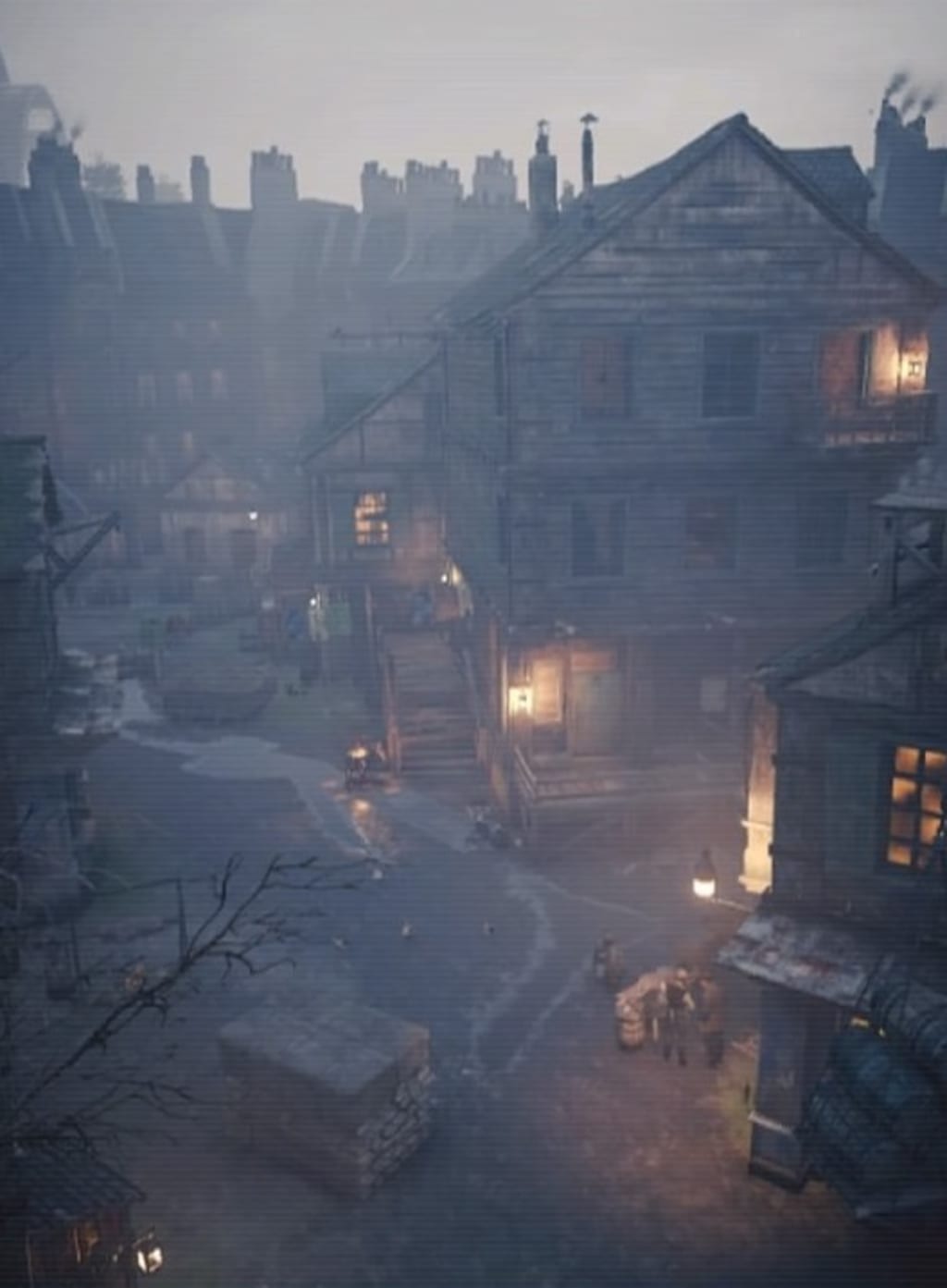
The Devil’s Acre was an infamous slum next to Westminster Abbey that subsisted during the Victorian age. The slum had its roots in the Middle Ages when the monks at the abbey gave a haven to debtors, cheats and other criminals. It was little more than a damp, dismal swamp, and home to a community of beggars, thieves and prostitutes. Police only made infrequent visits to the area and when they did, the local residents powerfully repelled them.
In the mid-1800s, the courtyards and gardens were built over and replaced by cheap housing that lacked ventilation, drainage and sanitation facilities. By the 1900s century, the area was the centre of poverty, vice, and crime in London. In the 1850s, Charles Dickens gave the area its infamous name, the Devil’s Acre. Several other parts of London could claim to be the most destitute – Shoreditch and Saint Giles for a start, but none were as horrendous as this area. And it was only a short walk from the Houses of Parliament and Westminster Abbey.
The slum was a labyrinth of lanes, courts, and alleys, where vice, depravity, and crime could be found in abundance. With no sewage system, swarms of the enormous population lived in filth. Disease was rampant, including typhus and cholera.
Dickens was one of several philanthropists who were shocked that such an area could exist at the very heart of the British Empire. Westminster encompassed parliament as well as the prestigious Westminster Abbey, yet was also the home to thousands of people living a life of cruel despair and crime. The two existed sitting side by side, as though the problems never existed. In 1855, a lodging house in the Devil’s Acre was believed to have held over 120 people.
The plight of children in the area, many of them street orphans, also shocked those who went into the area to help. The City of London Mission felt that the area was so depraved that it had to be re-conquered for Christianity. For the second half of the 19th century, its ministers put together reports on the area founded on door-to-door calls in the district. One of the reports by missionary Andrew Walker depicted the degree of depravity.
He was stunned to learn they took orphans off of the street and placed them into a School of Fobology. In other words, pick-pocketing. The school was based in a pub the ‘One Tun’ in Old Pye Street. The Fagin like master of the school gave them a master class in the art of pickpocketing. This outraged the rich humanitarian, Adeline Cooper, into purchasing the One Ton public house and changing it into a new Ragged school. He did this with the assistance of the well-known reformer Lord Shaftesbury.
The pollution of the Thames had hit its peak in the Great Stink of 1858, and it forced MPs to support Joseph Bazalgette’s sewage system for London. Once there was no longer sewage flowing into the public’s drinking water, cases of cholera became almost non-existent. The Devil’s Acre, which had always been a poor area because of the marshy ground it stood in at the side of the Thames, was now separated from the river by the Embankment wall. With the development of Victoria Street. The land in the area became suitable building land and the old shanty town was gone.
The residents that remained were the deserving poor who found themselves re-housed in social housing provided by George Peabody. The new dwellings had good sanitary conditions and ensured that cholera would never haunt the area of Old Pye Street again.
About the Creator
Paul Asling
I share a special love for London, both new and old. I began writing fiction at 40, with most of my books and stories set in London.
MY WRITING WILL MAKE YOU LAUGH, CRY, AND HAVE YOU GRIPPED THROUGHOUT.
paulaslingauthor.com
Keep reading
More stories from Paul Asling and writers in FYI and other communities.
THE HISTORICAL PROSTITUTES OF LONDON’S COVENT GARDEN
Harris’s List of Covent Garden Ladies, published from 1757 to 1795, was an annual directory of prostitutes working in Georgian London. A small pocketbook, it was printed and published in Covent Garden and sold for two shillings and sixpence. A contemporary report of 1791 estimates its circulation at about 8,000 copies annually.
By Paul Asling4 years ago in FYI
The Billion Dollar Secret: Inside the World’s Richest (and Deadliest) Temple
In a world that has been around for thousands of years, it’s a bit naive to think our ancestors didn't leave anything behind. We like to think we know everything about our history, but what about the ancient knowledge lost to time? Is it our job to dig up every secret, or were some things buried for a reason?
By Areeba Umair6 days ago in FYI


Comments
There are no comments for this story
Be the first to respond and start the conversation.