
Ligation and Resection of Tubes (LRT)
A safe and permanent family planning option for women

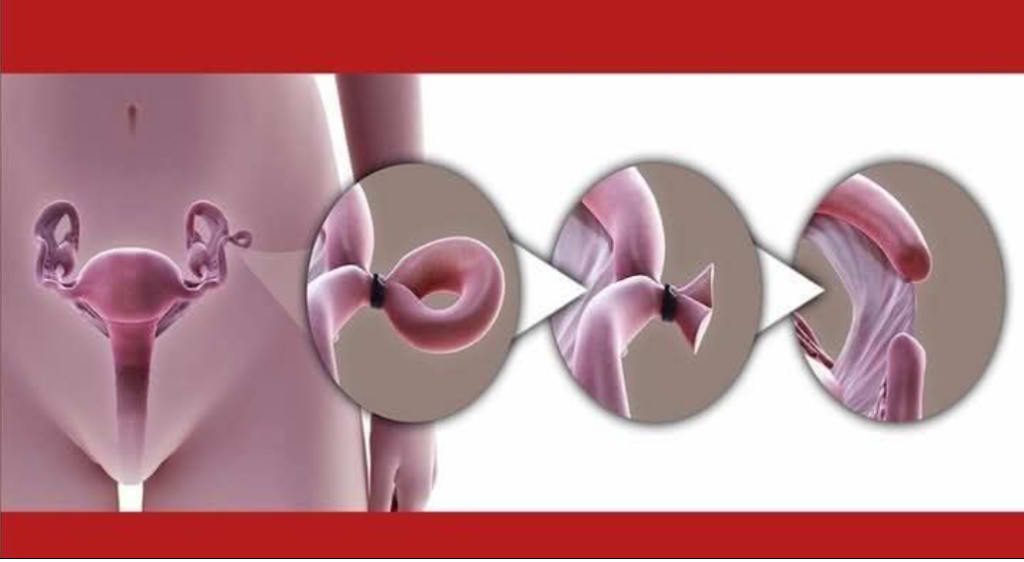
Ligation and Resection of Tubes / LRT.
LRT (Ligation and Resection of tubes) operation may be presented as a method of family planning for those who have produced their desired number of children.
That is, LRT (Ligation and Resection of tubes) or sterilization is a permanent family planning means for couples who don't want children again.
It is a very safe, affordable method of family planning that is achieved through a small surgery. There is one method for men called vasectomy and this one for women called tubectomy or LRT (Ligation and Resection of tubes).
Here, both fallopian tubes are blocked, making it impossible for the egg and sperm to meet. The procedure itself is usually short, 10-15 minutes.
Tubal ligation, the person's tubes are tied or blocked (tubal ligation) tubal ligation removal of a portion of the tube or tubal ligation and clips removal of a portion of the tube, with clips or rings applied; are other ways to block the tube.
During this operation, there are several access techniques to the fallopian tubes.
1. Mini Laparotomy
5cm incision in the abdomen is made to accomplish this. There are 2 methods. That is, the outside abdominal incision made at or under the navel within 48 hours of childbirth, or at any time postpartum when the uterus is fully contracted. There, the fallopian tubes are approached by a skin incision in the lower abdomen (Symphysis pubis).
2. During a caesarean section
3. Laparoscopic method
A laparoscope is a tool used in this type of surgery. It involves using a laparoscope (a thin telescope with a camera), which is passed through a cut (approximately 2.5cm long) under the belly button, and 'clips' or rings being placed on the fallopian tube. The operation is usually conducted under mild sedation (Sedatires) to anesthetize the area. Sometimes even going into general anesthesia (falling asleep).
This surgery is done by the gynecologists and senior doctors who are specialists on that field. The laparoscopic sterilization is carried out by the gynecologists with the training.
In this sterilization operation, the sterilization suture (the resorbable suture) for the epidermis is used in many cases, and occasionally, a nylon suture that is removed during each relevant hospital processing is used.
Suitable for LRT surgery
Women in the ideal family size telegram group
High-risk women for childbearing
Women with a history of severe obstetric complications in prior pregnancies
Women with previous multiple CSs
3. Women with medical contraindications to pregnancy and other family planning methods.
4. Women at risk of bearing children with congenital abnormalities
Contraindications to LRT surgery
There is no contraindication to the operation. Such contraindications that are temporary may include:
Pregnancy
Pelvic Inflammatory Diseases (PID), an infection of the uterus, fallopian tubes, and ovaries
Infections on the skin of the surgical area.
Septic abortion
Marriage problems should not be addressed until they are saved.
Postpartum sterilization: performed within 48 hours, delayed if there are any of the following:
Infection, fever
It takes along time for the water bag to break
Postpartum psychosis
Umbilical hernia
Pre-LRT surgery tests
A retrieve Systematic history should be obtained, noting the diagnosis before sterilization is done. And, a pregnancy test in the laboratory should rule out pregnancy.
Precautions before and after LRT surgery
Written instructions to patients are essential, as is understanding the instructions the patient is given to comply with before and after surgery. You are provided a diagnosis card post-surgery. Then, after it has been determined to be difficult or not justifiable to operate on both fallopian tubes, a woman receive similar explanation on the diagnosis card. If surgery was not effective, other treatments must be offered.
Success of LRT surgery
When this surgery works, it works 100%, and the same day when surgery takes place, it works. Occasionally, but seldom, a minimum of approximately 3% can be observed.
Causes of failure of LRT surgery include failure to perform surgery well because of poor identification of the fallopian tubes and spontaneous anastomosis of the fallopian tubes.
Complications and adverse events after the LRT surgery
The opportunities for major complications during LRT surgery are uncommon.
Allergy or poisoning has recently been shown to arise from drugs for antiseptic and anaesthetic use (lignocaine).
Haemorrhage at the wound. If a small clot forms on the outside, it usually either comes to bleeds or is absorbed. It doesn't need to be treated. If it is a large blood clot, it should be taken away and the bleeding stopped, and then the wound should be tied up again.
Infection of the separated wound. It is expected to occur on the third day after surgery. Symptoms are primarily pain, swelling, pus drainage, and fever. Numerous changes to the dressing usually favour the healing. On some occasions, the pus must be drained. Here, the patient is administered antibiotics.
About the Creator
Keep reading
More stories from Rohitha Lanka and writers in FYI and other communities.
Nagrak Bungalow at the top of the Nanperial Hills
"Nagrak Bungalow" at the top of the Nanperial Hills 🍀🐝🍂🌸♥️🌾 Nagrak is a bungalow in the Nanperial Estate. This estate is located close to the Belihul Oya.. To be precise. This is the tea estate that we can see from the bottom to the top.
By Rohitha Lanka10 months ago in FYI
The Deepest Hole on Earth: Why We Stopped Digging Toward Hell
You know that colorful diagram of the Earth’s layers you’ve been staring at since third grade? The one with the crust, mantle, and core that looks like a giant jawbreaker? Well, here’s a reality check: we aren’t actually 100% sure that’s how it works.
By Areeba Umair5 days ago in FYI
Miss Persephone's Manual to a Seemingly Ordinary Life
Miss Persephone was found at the dining table, her blue eyes swollen, her tears arriving and retreating like the tides of the ocean. Earlier that day, her family had visited her in the retirement home where she had lived for eight years. It was her eightieth birthday.
By Imola Tótha day ago in Fiction




Comments (1)
Very good ♦️♦️♦️