Latest Stories
Most recently published stories in FYI.
Diet, disease, and the microbiome
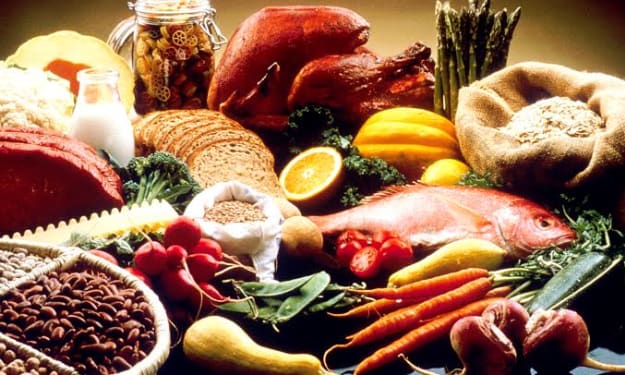
Start writing... There is growing interest in the human body’s microbiome and its connection to chronic disease. A new study examines that connection, along with how the foods we eat influence the composition of our microbiome.Microbiome protects host and plays role in disease risk.The microbiome consists of the genes of tiny organisms (bacteria, viruses, and other microbes) found in the gastrointestinal tract, primarily in the small and large intestine. The normal gut flora — another term for the microbiome — protects its human host. For the microbiome to flourish, the right balance must exist, with the healthy species dominating the less healthy.Scientists do not fully understand how the microbiome factors into the risk of developing chronic diseases, such as heart disease, obesity, and type 2 diabetes. Many factors, including differences between individuals and individual diets, have made this a difficult area to investigate.Study investigates relationships between diet, microbiome, and disease risk.But a new study, published in Nature Medicine, accounts for these factors and sheds light on how our diets shape our microbiome and how our microbiome, in turn, influences our disease risk.The researchers studied more than 1,100 individuals enrolled in PREDICT 1, a large trial looking at individual responses to food. They used a technique called metate omicron sequencing to identify, classify, measure, and analyse genetic material from the study participants’ microbiomes. They also collected detailed, long-term dietary intake information from all of these individuals, so they could analyse their dietary patterns, including their intake of different food groups, foods, and nutrients. In addition, they collected information from the study participants on a variety of factors that are known to influence metabolism and disease risk, including pre- and post-meal measures of blood sugar (glucose), cholesterol, and inflammation. Finally, they measured personal health attributes of the study participants, including age, weight, body mass index (BMI), body fat, and blood pressure.Diet influences microbiome and microbiome influences disease risk.The study found that the health of the microbiome is influenced by diet, and that the composition of the microbiome influences the risk of health outcomes. The results showed that specific gut microbes were associated with specific nutrients, foods, food groups, and overall diet composition. Health conditions such as heart disease, type 2 diabetes, obesity, and general inflammation appeared to be most impacted by diet-influenced changes to the microbiome.For example, less healthy dietary patterns (dairy desserts, unhealthy meats, processed foods) supported gut species that were associated with measures of blood sugar, cholesterol, and inflammation that are significantly associated with higher risk of cardiac events, strokes, and type 2 diabetes.In contrast, a more diverse gut microbiome was tied to healthy dietary patterns (high-fiber vegetables like spinach and broccoli, nuts, and, heathy animal foods such as fish and eggs) and was linked to measurements tied to lower risk of certain chronic diseases. In addition, the study found that polyunsaturated fats (found in fish, walnuts, pumpkin, flax and chia seeds, sunflower, safflower, and un hydrogenated soybean oils) produce healthy gut species linked to a reduced risk of chronic disease.Minimally processed, plant-based diet is good for the microbiome and for reducing disease risk.Don’t replace saturated fat with sugar. Many of us replace saturated fat such as whole milk dairy with refined carbs, thinking we’re making a healthier choice. Low-fat doesn’t mean healthy when the fat has been replaced by added sugar.Sweeten foods yourself. Buy unsweetened iced tea, plain yogurt, or unflavored oatmeal, for example, and add sweetener (or fruit) yourself. You’ll likely add far less sugar than the manufacturer.Check labels and opt for low sugar products and use fresh or frozen ingredients instead of canned goods. Be especially aware of the sugar content of cereals and sugary drinks.Avoid processed or packaged foods like canned soups, frozen dinners, or low-fat meals that often contain hidden sugar. Prepare more meals at home.Reduce the amount of sugar in recipes by ¼ to ⅓. You can boost sweetness with mint, cinnamon, nutmeg, or vanilla extract instead of sugar.Find healthy ways to satisfy your sweet tooth. Instead of ice cream, blend up frozen bananas for a creamy, frozen treat. Or enjoy a small chunk of dark chocolate, rather than a milk chocolate bar.Start with half of the dessert you normally eat, and replace the other half with fruit.Be careful about alcohol.It’s easy to underestimate the calories and carbs in alcoholic drinks, including beer and wine. And cocktails mixed with soda and juice can be loaded with sugar. Choose calorie-free mixers, drink only with food, and monitor your blood glucose as alcohol can interfere with diabetes medication and insulin.Spot hidden sugar.Being smart about sweets is only part of the battle. Sugar is also hidden in many packaged foods, fast food meals, and grocery store staples such as bread, cereals, canned goods, pasta sauce, margarine, instant mashed potatoes, frozen dinners, low-fat meals, and ketchup. The first step is to spot hidden sugar on food labels, which can take some sleuthing:Manufacturers provide the total amount of sugar on their labels but do not have to differentiate between added sugar and sugar that is naturally in the food.Added sugars are listed in the ingredients but aren’t always easily recognizable as such. While sugar, honey, or molasses are easy enough to spot, added sugar could also be listed as corn sweetener, high-fructose corn syrup, evaporated cane juice, agave nectar, cane crystals, invert sugar, or any kind of fructose, dextrose, lactose, maltose, or syrup.While you’d expect sugary foods to have sugar listed near the top of their list of ingredients, manufacturers often use different types of added sugars which then appear scattered down the list. But all these little doses of different sweeteners can add up to a lot of extra sugar and empty calories!Choose fats wisely.Some fats are unhealthy and others have enormous health benefits, so it’s important to choose fats wisely.Unhealthy (saturated) fats. Found mainly in tropical oils, red meat, and dairy, there’s no need to completely eliminate saturated fat from your diet—but rather, enjoy in moderation. The American Diabetes Association recommends consuming no more than 10% of your daily calories from saturated fat.Healthy (unsaturated) fats. The healthiest fats are unsaturated fats, which come from fish and plant sources such as olive oil, nuts, and avocados. Omega-3 fatty acids fight inflammation and support brain and heart health. Good sources include salmon, tuna, and flaxseeds.Ways to reduce unhealthy fats and add healthy fats:Instead of chips or crackers, snack on nuts or seeds or add them to your morning cereal. Nut butters are also very satisfying.Instead of frying, choose to broil, bake, or stir-fry.Avoid saturated fat from processed meats, packaged meals, and takeout food.Instead of just red meat, vary your diet with skinless chicken, eggs, fish, and vegetarian sources of protein.Use extra-virgin olive oil to dress salads, cooked vegetables, or pasta dishes.Commercial salad dressings are often high in calories so create your own with olive oil, flaxseed oil, or sesame oil.Add avocados to sandwiches and salads or make guacamole. Along with being loaded with healthy fats, they make for a filling and satisfying meal.Enjoy dairy in moderation.Eat regularly and keep a food diary.It’s encouraging to know that you only have to lose 7% of your body weight to cut your risk of diabetes in half. And you don’t have to obsessively count calories or starve yourself to do it. Two of the most helpful strategies involve following a regular eating schedule and recording what you eat.Eat at regularly set times.Your body is better able to regulate blood sugar levels—and your weight—when you maintain a regular meal schedule. Aim for moderate and consistent portion sizes for each meal.Start your day off with a good breakfast. It will provide energy as well as steady blood sugar levels.Eat regular small meals—up to 6 per day. Eating regularly will help you keep your portions in check.Keep calorie intake the same. To regulate blood sugar levels, try to eat roughly the same amount every day, rather than overeating one day or at one meal, and then skimping the next.Keep calorie intake the same. To regulate blood sugar levels, try to eat roughly the same amount every day, rather than overeating one day or at one meal, and then skimping the next.Keep a food diary.A recent study found that people who kept a food diary lost twice as much weight as those who didn’t. Why? A written record helps you identify problem areas—such as your afternoon snack or your morning latte—where you’re getting more calories than you realised. It also increases your awareness of what, why, and how much you’re eating, which helps you cut back on mindless snacking. Keep a notebook handy or use an app to track your eating.Get more active.Exercise can help you manage your weight and may improve your insulin sensitivity. An easy way to start exercising is to walk for 30 minutes a day (or for three 10-minute sessions if that’s easier). You can also try swimming, biking, or any other moderate-intensity activity that has you working up a light sweat and breathing harder.Learn how to lose weight and keep it off. If your last diet attempt wasn’t a success, or life events have caused you to gain weight, don’t be discouraged. The key is to find a plan that works with your body’s individual needs so that you can avoid common diet pitfalls and find long-term, weight loss success.
By Zarinabanu Zarinabanu5 years ago in FYI
TOP 20 Psychological Reasons Why People Are Afraid Of Clowns AND More Reasons To Hate Clowns!!!. Top Story - April 2021.
Many people suffer from true coulrophobia, the fear of clowns. Even without a full-blown phobia, everyone seems to agree that clowns are just a little bit scary. But have you wondered why? Correspondingly, a clown is simply a person wearing makeup and silly clothes, and yet they still tend to give just about everyone the creeps! Professional clowns are great. Nonetheless those who pretend or stray outside of the circus can sow fear. Here are TOP 20 Psychological Reasons Why People Are Afraid Of Clowns AND More Reasons To Hate Clowns!!!
By Ms. Thomas5 years ago in FYI
They recreate the classic Cosmos from the enigmatic Greek time machine 2,000 years later
One of the greatest and most fascinating enigmas of archeology is a little less so after the last effort to decipher it. The Antikythera machine, identified as Greek and more than 2,000 years old, is only the size of a shoebox but the complexity it houses has made it, after decades of study, considered the first analog computer in history.
By Harsh Mehta5 years ago in FYI
Yay, Team!
What makes a person become a fan of a professional sports team when that person otherwise appears to be a sensible human being? Why would anyone care which team won in a contest where grown, overpaid adults play children’s games? Why would any sane person purchase an expensive ticket to gain admittance to a stadium built with his tax dollars (and without his permission) to fatten the bank accounts of a handful of individuals who own professional sports teams? Professional sports teams even get free newspaper, radio and television advertising! In direct contrast, if you have a business and want to advertise your products or services, you must pay dearly for it. Not so for the team owners because America’s fake “news media” hands out free advertising to all of them. Why is it “news” when the Dodgers play the Yankees, but the sale at Ma & Pa’s Shoe Store next door to Payless Shoes is not? Why is every move of an athlete shown on the “news,” and commented on in detail by well-known “sportscasters,” but your work as the fastest and most accurate cashier at the supermarket is ignored? Why is socialism given to the rich while the rest of us are deprived of freedom, democracy, and happiness by the failures of capitalism and “free enterprise”? What part of "free enterprise" is free? Your hard-earned tax dollars were stolen to build the stadiums, swimming pools, playing fields, and so forth the wealthy can use to siphon even more loot out of your billfold or purse.
By Charles Belser5 years ago in FYI
Margaret Beaufort
An unmovable woman, Margaret Beaufort “knew” that she was special from a very young age. Married at 12 years of age to a man 12 years older, Margaret gave birth to her only child at the very young age of 13 --- it is amazing that this little lady survived childbirth! Her only child was the future Henry VII, father to Henry VIII.
By Ruth Elizabeth Stiff5 years ago in FYI
Pretty privilege in the animal kingdom
In a society that places high value on physical appearance, being considered pretty by the standards of society is a privilege that guarantees a better treatment in every aspect of your life such as work and school; it is important to be aware of the fact that we apply the ‘pretty first’ rule to animals as well.
By Alessia Mavakala5 years ago in FYI
The Hindenburg Disaster, 1937
During the years preceding World War II there were two choices on offer to those who wished to travel by air. There were fixed-wing, propeller-driven aircraft, and there were airships. Given that the former were primitive by modern standards, being noisy, cramped and uncomfortable, not to mention dangerous, it is understandable that people who could afford to travel long distances by air were attracted to the much greater comfort offered by airships, although safety was still an issue.
By John Welford5 years ago in FYI
Hereward the Wake
England after the Conquest After his victory at the Battle of Hastings in 1066, Duke William of Normandy knew that he would not be a popular King of England. He had no real claim to the throne other than by force, so he could hardly have expected to be welcomed with open arms.
By John Welford5 years ago in FYI
The Tragic 9-Day Reign of Lady Jane Grey
Throughout history, religious intolerance and power struggles have often led to injustice. England’s Tudor dynasty is considered to be one of its most significant, but King Henry VIII’s efforts to produce a male heir set up a chain of events that would result in the deaths of hundreds of innocent people. One of these was Lady Jane Grey.
By Denise Shelton5 years ago in FYI
Unasked Questions
After watching shows about the way life used to be in the west (Big Valley and Dr. Quinn if you’re interested), I noticed how care-free most people seemed, sometimes for better, sometimes for worse. Obviously, anyone would envy not having to worry about taxes or car insurance yet, but there were so many things that, if they had thought about it, would have been helpful! Depending on the location, culture, and time period, people regularly included or excluded things that hurt their health, social advancement, or access to resources. A commonly-known example is leeches being used to suck infected blood out of a sick patient. I propose that these issues are related to unasked questions.
By Tyler Meek5 years ago in FYI