
Kumbh Mela: A Sacred Convergence of Faith, Culture, and Spirituality
Exploring the World's Largest Religious Gathering and its Timeless Significance in Hindu Tradition

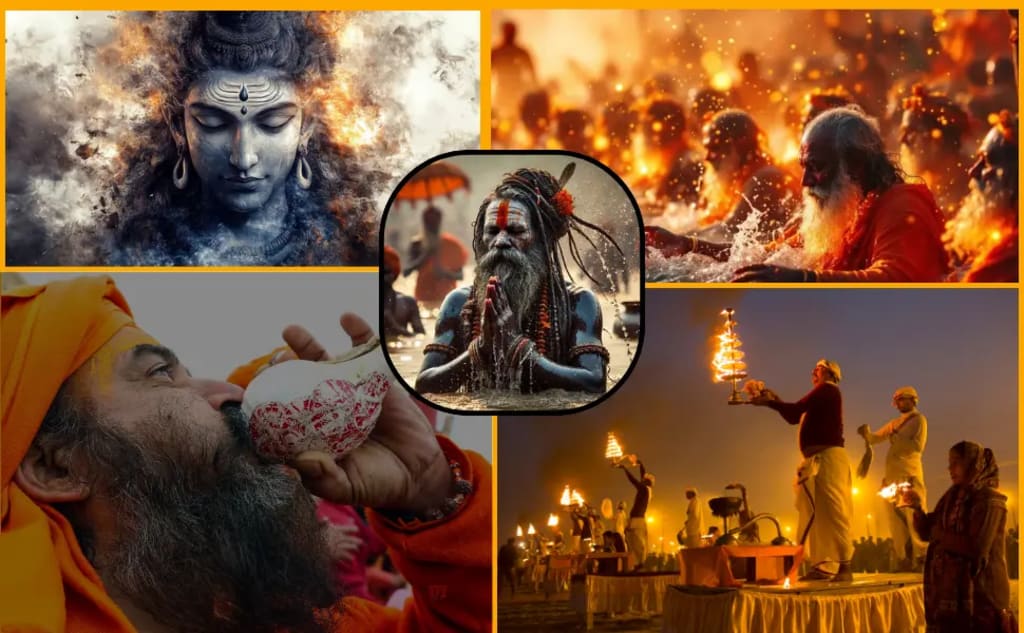
India, with its centuries-old traditions and spiritual practices, is home to some of the world's most significant religious events. Among these, Kumbh Mela stands out as a celebration of faith, devotion, and unity like no other. As one of the largest religious gatherings globally, the Kumbh Mela is not merely a festival—it is a living testament to India’s profound spiritual heritage and its timeless connection with the divine.
The Origins of Kumbh Mela: A Mythological Journey
The origins of Kumbh Mela are steeped in ancient Hindu mythology, particularly the famous story of the Samudra Manthan, or "Churning of the Ocean of Milk." According to Hindu mythology, the gods and demons joined forces to churn the ocean to extract the nectar of immortality, known as amrit. During this divine act, it is believed that drops of the amrit spilled at four locations across India: Prayagraj (Allahabad), Haridwar, Ujjain, and Nashik. These sites were deemed sacred, and they are now the four locations where the Kumbh Mela is held.
The very essence of the Kumbh Mela is intertwined with the belief that bathing in these holy rivers, at the precise moments of the festival, purifies the soul, cleanses the mind, and absolves one of past sins. The festival serves as a physical and spiritual journey for millions of pilgrims who come in search of redemption and peace.
A Cultural and Spiritual Experience Like No Other
Kumbh Mela is not just a religious event; it is a cultural phenomenon that brings together people from every walk of life. People travel from across the world to take part in the event, and each visitor’s journey is unique. Whether they are seeking spiritual enlightenment, freedom from past karmas, or simply to witness the grandeur of the event, the Mela offers something for everyone.
At its core, Kumbh Mela is about faith—faith in the sanctity of the rivers, faith in the power of the divine, and faith in the collective energy of millions of people coming together. The festival's most iconic moment is the holy dip in the sacred rivers, a ritual that is believed to cleanse the soul. However, the Mela is not just limited to bathing. It is a multi-faceted spiritual experience that includes prayers, rituals, spiritual discourses, and chanting of mantras. Pilgrims also engage in penance and meditation to cleanse themselves further and make spiritual progress.
What sets the Kumbh Mela apart from other religious events is the sheer scale of the gathering. At its peak, the Mela attracts over 120 million people, making it the largest peaceful gathering on earth. The sight of millions of devotees—both Indian and international—joining hands to perform religious rituals and prayers in unison is nothing short of mesmerizing. It’s a testament to the unifying power of faith that transcends boundaries of culture, race, and nationality.
The Role of Naga Sadhus: The Holy Warriors of the Mela
One of the most fascinating aspects of the Kumbh Mela is the presence of the Naga Sadhus—ascetics who have renounced all worldly attachments. These holy men, often seen in their distinctive attire, are believed to possess extraordinary spiritual powers. Naga Sadhus are known for their deep commitment to meditation, self-discipline, and detachment from the material world. During the Kumbh Mela, they lead processions, offering blessings and spiritual guidance to pilgrims. Their participation in the Mela underscores the festival’s profound spiritual depth and the devotion required to partake in such a grand ritual.
The Four Sacred Locations: The Heart of the Kumbh
The Kumbh Mela rotates between four key locations in India, each significant in its own right. These locations are sacred not just because of their association with the amrit but also because they represent the geographic and spiritual diversity of India.
Prayagraj (Allahabad): The confluence of the Ganges, Yamuna, and the mythical Sarasvati rivers, also known as the Triveni Sangam, is the most iconic site for the Kumbh Mela. It is here that the largest number of pilgrims gather to bathe in the holy waters. Prayagraj, with its centuries-old temples and rich history, is the spiritual heart of the event.
Haridwar: Situated on the banks of the Ganges in Uttarakhand, Haridwar is one of the seven holiest places in Hinduism. The sight of millions of devotees taking a dip in the river is a breathtaking spiritual experience, one that signifies purity, renewal, and connection with the divine.
Ujjain: Known for its ancient temples dedicated to Lord Shiva, Ujjain is another prominent venue for the Kumbh. Pilgrims flock to the city to bathe in the Shipra River and seek blessings for a peaceful afterlife.
Nashik: On the banks of the Godavari River, Nashik is the fourth and final location where the Kumbh Mela is held. The city holds immense significance due to its association with the amrit and its importance in Hindu mythology.
Technology Meets Tradition: Managing the Mela
Despite its ancient origins, the Kumbh Mela has evolved with the times. In recent years, the use of technology has become integral to ensuring the smooth functioning of the event. Organizers use drones, satellite surveillance, tracking apps, and crowd management systems to handle the massive influx of pilgrims and ensure safety. With modern technology blending seamlessly with ancient rituals, the Kumbh Mela exemplifies how traditions can adapt to the changing times without losing their spiritual essence.
A Global Gathering of Devotion
The Kumbh Mela is not only significant for Hindus but also for people from around the world. It draws devotees and tourists alike, all seeking to witness the grandeur of this religious and cultural spectacle. The presence of people from different religions, regions, and backgrounds makes it a symbol of unity in diversity. The Mela serves as a reminder of the shared human quest for spiritual fulfillment and peace.
Conclusion: The Eternal Appeal of the Kumbh Mela
The Kumbh Mela is a living testament to the power of faith, devotion, and community. It is not merely an event; it is a journey of self-discovery, spiritual awakening, and unity. Whether you are a devout Hindu seeking spiritual solace, a traveler curious about India’s rich cultural heritage, or someone seeking peace and connection, the Kumbh Mela offers a once-in-a-lifetime experience.
As the world continues to evolve, the Kumbh Mela remains a timeless celebration of the human spirit and its unyielding connection to the divine. It serves as a powerful reminder that, in the end, faith and spirituality transcend time, space, and even the constraints of the modern world.
Will you be part of the next Kumbh Mela to embark on your own journey of spiritual renewal?
About the Creator
Hariprasad
Passionate writer exploring the intersection of technology, geopolitics, and nature. Sharing insights on AI, global dynamics, and the beauty of our planet to inspire curiosity and meaningful conversations.
Keep reading
More stories from Hariprasad and writers in FYI and other communities.
Bhutan’s Bold Move: Strengthening Ties with India Amid Rising Tensions with China
When Lieutenant General Batoo Tshering, the Chief Operations Officer of the Royal Bhutan Army, touched down in India for his six-day visit on February 2, 2025, the stakes were high. This wasn’t just a diplomatic visit—it was a significant step in solidifying Bhutan’s military and defense partnerships while navigating the delicate balance of its relationship with China. With the rising tensions in the region, particularly over disputed territories, the trip marked a turning point in how Bhutan positions itself in South Asian geopolitics.
By Hariprasad12 months ago in FYI
I Preached an Entire Sermon Based on Only One Word
As an itinerant preacher, I was invited to preach at a church for its Missionary Sunday. I chose to preach on a practical subject in keeping with the occasion. Even though the sermon was geared toward missionaries, it was appropriate for everyone who heard it.
By Margaret Minnicks5 days ago in FYI
My New Book is Finally Here
My poetry collection Beautiful and Brutal Things is done. It's actually done and finally published over 270 pages. Over a year of my life went into this book. More than a year, really. Long days at my computer, sometimes seven days a week because I couldn't stop even when I probably should have. Then two months of editing that felt harder than the writing itself. But it's finished, and I'm still standing, and the book is real.
By Tim Carmichael2 days ago in BookClub



Comments
There are no comments for this story
Be the first to respond and start the conversation.