
Bhutan’s Bold Move: Strengthening Ties with India Amid Rising Tensions with China
Lieutenant General Batoo Tshering’s Strategic Visit to India Sets the Stage for Deeper Military Cooperation and Regional Stability

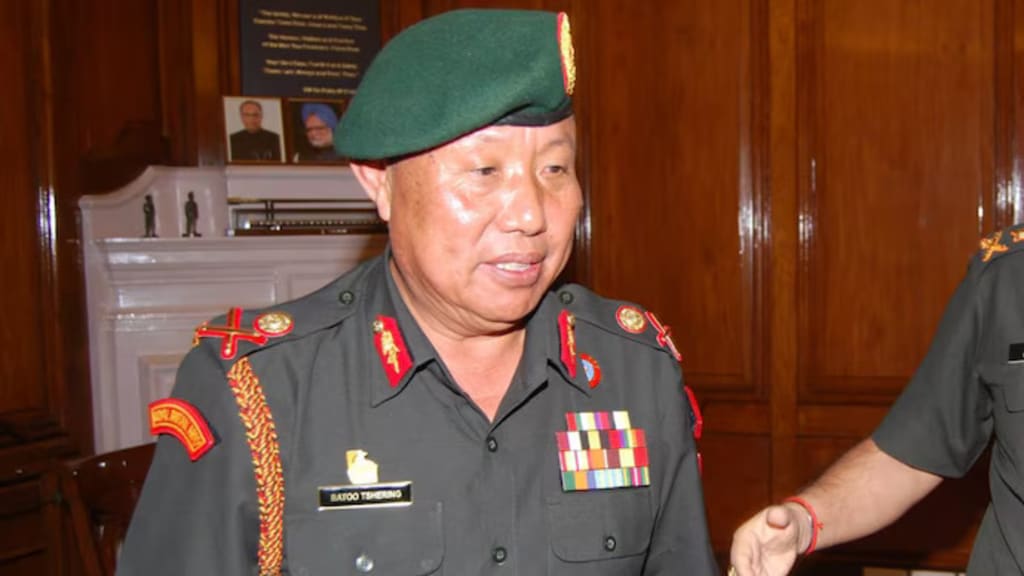
When Lieutenant General Batoo Tshering, the Chief Operations Officer of the Royal Bhutan Army, touched down in India for his six-day visit on February 2, 2025, the stakes were high. This wasn’t just a diplomatic visit—it was a significant step in solidifying Bhutan’s military and defense partnerships while navigating the delicate balance of its relationship with China. With the rising tensions in the region, particularly over disputed territories, the trip marked a turning point in how Bhutan positions itself in South Asian geopolitics.
Bhutan's Strategic Position: Caught Between Giants
Bhutan’s location, nestled in the heart of the Himalayas, has made it a silent yet crucial player in the region’s geopolitical chess game. Surrounded by two giants—India and China—the country’s small size belies its strategic importance. The Kingdom of Bhutan shares a close and historic relationship with India, built on mutual respect, cultural ties, and shared concerns over security. However, China’s growing influence, particularly in the South Asian region, is a growing concern for both Bhutan and India.
One of the most sensitive flashpoints in this region is the Doklam plateau. A disputed area that Bhutan claims as its own, the Doklam plateau has long been a source of tension between India and China. In 2017, the area became the site of a tense 73-day standoff when China attempted to extend a road in the area. India, supporting Bhutan’s territorial claim, became involved in the standoff, which almost escalated into a full-blown conflict. While the situation de-escalated, the region remains a hotspot for future conflicts, and Bhutan finds itself at the center of these dynamics, relying heavily on its relationship with India for support.
Lieutenant General Tshering’s visit to India comes at a critical time—just a few months after Bhutan’s King, Jigme Khesar Namgyel Wangchuck, visited India. As China continues to expand its military and economic influence across the region, Bhutan’s defense strategy and its ties with India are becoming even more significant.
A Visit of Purpose: Military Cooperation and Diplomacy
Lt Gen. Tshering’s visit to India was not just about defense strategies; it was about reinforcing the strategic partnership between Bhutan and India. His first day in India took him to the sacred land of Gaya, where he visited Buddhist cultural sites and the Officers Training Academy. The visit to Gaya served as a reminder of the long-standing cultural and historical ties between the two nations. These ties are deeply rooted in shared Buddhist heritage, which forms the foundation of the friendly relations between Bhutan and India.
However, the focus quickly shifted to the military side of the visit. The real discussions began when Lt Gen. Tshering arrived in New Delhi, where he met with key Indian defense leaders, including Army Chief General Upendra Dwivedi, National Security Advisor Ajit Doval, and other senior officials. Behind closed doors, the talks were centered on enhancing defense cooperation and exploring new areas of collaboration. The goal was clear: to deepen military ties while addressing the growing challenges posed by regional instability, particularly China’s increasing presence in the region.
These high-level discussions were not just about fostering closer ties between the two armies. They were about ensuring that Bhutan’s security concerns were addressed while maintaining a delicate balance with China. India’s role as Bhutan’s strategic partner has never been more important, as both countries share a vested interest in preventing any further encroachment into Bhutanese territory by external powers, particularly China.
China: The Unspoken Elephant in the Room
As the discussions unfolded, it was impossible to ignore the elephant in the room: China. While the official agenda of Lt Gen. Tshering’s visit was to strengthen bilateral defense cooperation and explore new avenues for collaboration, the looming presence of China shaped much of the dialogue. The Doklam plateau dispute was undoubtedly a key topic of discussion. The 2017 standoff was a stark reminder of the volatile nature of the region, and both Bhutan and India are keen to ensure that such tensions do not escalate into a larger conflict.
China’s growing military presence in the region, particularly in the South China Sea and along its border with India, has sparked concerns in both Bhutan and India. Bhutan, though a small nation, finds itself caught between the interests of these two global powers. The visit was an opportunity for Bhutan to reaffirm its commitment to maintaining peace and stability in the region while ensuring that its sovereignty over disputed territories, like Doklam, is respected.
While both India and Bhutan understand the importance of maintaining a peaceful relationship with China, they also recognize the need to be prepared for any challenges that might arise from the northern neighbor’s growing influence. The ongoing negotiations between Bhutan and China regarding their border dispute further underscore the delicate balancing act that Bhutan must navigate.
A Step Towards Deeper Cooperation: What Lies Ahead?
The remainder of Lt Gen. Tshering’s visit took him to various military establishments across India, including the National Security Guard (NSG) in Manesar and the Defense Image Processing and Analysis Centre (DIPAC). These visits were not only a demonstration of military solidarity but also an indication of the deepening defense cooperation between the two nations. As Bhutan continues to face challenges from external forces, its partnership with India is likely to become even more essential in ensuring its security.
By the time Lt Gen. Tshering concludes his visit in Kolkata, where he will visit the headquarters of India’s Eastern Command, it will be clear that this trip is just the beginning of a new chapter in Bhutan-India relations. The growing defense partnership is expected to lead to more joint training exercises, technology sharing, and coordinated efforts in addressing regional security challenges.
For Bhutan, this visit has solidified its defense relationship with India at a time when regional stability is uncertain. The trip also highlights Bhutan’s ongoing struggle to balance its diplomatic and defense needs between two powerful neighbors. While Bhutan’s small size and peaceful nature often make it seem like a passive observer in global politics, its role in ensuring regional stability is far more significant than most realize.
Conclusion: The Road Ahead for Bhutan
As Lt Gen. Tshering wraps up his trip, it’s clear that Bhutan’s defense strategy is evolving. The country’s alliance with India is more vital than ever, especially in the face of China’s growing presence in the region. The discussions held during this visit will shape the future of Bhutan’s security policies, and its relationship with India will continue to be a cornerstone of its defense strategy.
For Bhutan, the road ahead is one of careful diplomacy, strong defense cooperation, and strategic partnerships. The visit of Lt Gen. Tshering has laid the groundwork for continued collaboration between Bhutan and India, ensuring that Bhutan’s sovereignty remains intact amidst the ever-changing dynamics of the region.
As the geopolitical landscape shifts, Bhutan must continue to navigate the delicate balance of friendship, diplomacy, and defense, with India standing by its side as a trusted partner in the quest for peace and stability in the region.
About the Creator
Hariprasad
Passionate writer exploring the intersection of technology, geopolitics, and nature. Sharing insights on AI, global dynamics, and the beauty of our planet to inspire curiosity and meaningful conversations.
Keep reading
More stories from Hariprasad and writers in FYI and other communities.
Join Bhutan's Digital Transformation: Vacancy for ICT Technical Associates at Gyalsung Headquarters
In a time where technology is shaping the way nations function, Bhutan is no exception in embracing the digital wave. As part of this technological advancement, Gyalsung Headquarters—the operational heart of Bhutan’s national service program—is now recruiting ICT Technical Associates to support its growing network infrastructure. This opportunity isn’t just about employment; it’s a call to service for tech-savvy Bhutanese who are ready to contribute to something larger than themselves.
By Hariprasad9 months ago in FYI



Comments
There are no comments for this story
Be the first to respond and start the conversation.