
Keeping Crunchy Foods Crisp: Using Reusable Paper Containers for Fried Leftovers
How Reusable Paper Containers Help Preserve Texture

Everyone loves the golden crunch of freshly fried food — that perfect texture that delivers both sound and satisfaction. From crispy samosas to French fries, pakoras, nuggets, and onion rings, fried snacks are a comfort food enjoyed across the world. But when it comes to storing leftovers, that crunchy magic often disappears overnight. The once crispy crust becomes soggy, and the delightful texture turns into disappointment.
The culprit? Moisture and improper storage. Luckily, there’s a solution that’s both practical and eco-friendly — reusable paper containers for packing leftovers. These containers are designed to help you preserve the crispiness of fried food while promoting sustainable, plastic-free living. In this guide, we’ll explore how these containers work, why they’re effective, and how to use them correctly to keep your fried foods crunchy even after storage.
Why Fried Foods Lose Their Crunch
Understanding why fried foods lose their crispness helps us see how to prevent it. The texture of fried food depends on its outer layer remaining dry and porous. When hot food is placed inside a sealed environment, steam forms. That steam has nowhere to escape and instead condenses back onto the food’s surface, softening it.
There are a few primary reasons fried foods lose their crunch:
- Steam entrapment: Hot food releases steam that gets trapped inside airtight containers.
- Condensation: Moisture buildup from temperature changes creates a wet film on the food.
- Poor ventilation: Lack of airflow means the fried coating becomes soft and soggy.
- Oil saturation: If excess oil isn’t drained before storing, it seeps into the crust, making it greasy rather than crisp.
To keep fried leftovers crunchy, you need a storage method that reduces steam, allows airflow, and prevents reabsorption of oil — and that’s where reusable paper containers for packing leftovers shine.
The Role of Reusable Paper Containers
Breathability That Preserves Texture
Unlike plastic or metal containers, reusable paper containers have a natural breathability that allows minimal air circulation. This feature helps to let moisture escape instead of getting trapped inside. When steam can exit safely, your fried foods are less likely to become soggy.
Grease-Resistant and Moisture-Controlled
High-quality paper containers designed for food storage often come with a grease-resistant lining. This prevents oil from soaking into the paper while maintaining a moisture balance that keeps food fresh. The lining ensures that any residual oil doesn’t make the container weak or leak.
Eco-Friendly and Sustainable
The move toward reusable paper containers for packing leftovers isn’t just about functionality; it’s about environmental responsibility. These containers reduce dependence on single-use plastics, are recyclable, and can be reused multiple times with proper care. They serve both purpose and principle — keeping your food fresh while supporting eco-friendly habits.
Insulating Properties
Paper provides natural insulation that slows down rapid temperature changes. While it won’t completely prevent cooling, it can reduce condensation caused by drastic temperature differences. This balance helps in maintaining food texture during short-term storage.
Best Practices for Using Reusable Paper Containers for Fried Leftovers
Even the best container can’t perform miracles if food isn’t packed correctly. Here’s how to maximize crisp retention with proper packing techniques.
1. Let Food Cool Slightly Before Packing
Never pack hot fried food immediately after cooking. Hot food releases steam, which leads to sogginess. Allow your food to cool for a few minutes until it’s warm, not hot. This reduces the amount of trapped steam inside the container.
2. Use Absorbent Liners
Place a sheet of unbleached paper or a napkin at the bottom of the container before adding fried food. This helps absorb any residual oil and moisture that may seep from the food, keeping the top layer crisp.
3. Avoid Overcrowding
When storing fried foods like fries, nuggets, or fritters, avoid piling them on top of one another. Overcrowding traps heat and moisture, which speeds up sogginess. Keep them in a single layer or separate layers with sheets of absorbent paper.
4. Keep the Lid Slightly Open Initially
If your container has a vent or flap, leave it slightly open for the first few minutes after packing. This allows the initial burst of steam to escape. Once the food has cooled, you can close the container fully.
5. Store in a Cool, Dry Place
If you’re not refrigerating immediately, place your reusable paper container in a dry area. Humidity contributes to sogginess, so always store leftovers in a cool, dry environment until refrigeration is necessary.
6. Reheat Properly
When it’s time to eat, avoid reheating fried foods in the microwave directly inside the container. Microwaves produce steam, which softens the crust. Instead, transfer food to an oven, air fryer, or toaster oven to bring back its crispiness. These methods restore the dry heat needed for crunch.
The Science Behind Crisp Retention
Fried food has a thin crust formed by starches and proteins during frying. This crust hardens as moisture evaporates from the outer layers. However, when food is packed hot or sealed improperly, that moisture has nowhere to go — it reabsorbs into the crust.
Reusable paper containers help counteract this process. They provide a controlled environment — breathable enough to release excess moisture, yet structured enough to retain a balanced temperature. This combination slows down sogginess while preserving the texture and flavor of the fried food.
Reusable Paper Containers vs. Plastic Containers
Traditional plastic containers are popular for leftovers, but they are not ideal for fried foods. Plastic traps heat and moisture, which accelerates condensation and makes the crust soft. Additionally, plastic may not handle hot food safely and can release unwanted odors.
In contrast, reusable paper containers for packing leftovers:
- Allow gentle air circulation to release steam.
- Maintain temperature balance without trapping excess heat.
- Absorb minor moisture for better crisp preservation.
- Are biodegradable, recyclable, and safer for the environment.
- Can be reused several times if kept dry and clean.
For environmentally conscious households and food businesses, this makes reusable paper containers a more intelligent and responsible choice.
Practical Applications in Everyday Life
1. Home Use
Home cooks often prepare fried dishes in large batches. Using reusable paper containers ensures that leftover food doesn’t lose its appeal. You can store leftover cutlets, fritters, or fries without fear of them turning limp. When reheated in an oven, they come out crisp and fresh.
2. Restaurants and Takeaway Services
Restaurants and cloud kitchens are increasingly moving towards sustainable packaging. For take-out fried food, reusable paper containers for packing leftovers are a game-changer. They prevent sogginess during delivery while projecting an eco-friendly image that resonates with customers. Branding can also be printed on these containers to strengthen the restaurant’s identity.
3. Catering and Events
In catering setups, leftover fried appetizers can be packed efficiently in paper containers that can be reused throughout the event. This minimizes waste while maintaining food quality, especially when snacks need to be served repeatedly across different time intervals.
4. Office and School Lunches
Reusable paper containers make excellent lunchbox solutions. If you pack fried snacks like samosas or cutlets for lunch, these containers help maintain their freshness until mealtime. They’re lightweight, easy to carry, and safe for both children and adults.
Tips for Reheating Fried Leftovers Stored in Paper Containers
Reheating is where most people lose the battle for crispiness. Here’s how to bring your fried food back to life properly:
- Use an Oven or Air Fryer: Dry heat methods help remove moisture and restore crunch. Preheat your oven to around 180°C, place the food on a rack, and heat for 5–10 minutes.
- Avoid Microwaves: Microwaving introduces steam, which softens the crust. If you must use one, use a microwave crisper tray or open the container lid slightly.
- Don’t Cover During Reheating: Let the food reheat uncovered so moisture can escape.
- Add a Paper Towel Layer: Placing a paper towel underneath while reheating in an oven can help absorb residual oil.
Maintenance and Reusability Tips
For reusable paper containers for packing leftovers to last, proper maintenance is key.
- Clean promptly: After use, wipe or rinse the container gently with a damp cloth if it has a washable inner coating. Avoid soaking it in water.
- Air dry completely: Before reusing, ensure the container is fully dry to prevent mold or warping.
- Avoid extreme heat: Do not place reusable paper containers directly on stovetops or near open flames.
- Use liners for oily foods: This keeps the container clean and extends its lifespan.
By following these steps, you can reuse your paper containers multiple times without losing their structure or safety.
Environmental Benefits of Choosing Paper Over Plastic
The environmental advantages of paper containers go beyond just personal use. They are a step toward sustainable living and responsible food packaging practices. By opting for reusable paper containers, you help:
- Reduce landfill waste: Paper containers decompose faster than plastics.
- Lower carbon footprint: Paper production (especially from recycled sources) has less environmental impact than plastic manufacturing.
- Encourage recycling and reuse: Paper is one of the most easily recyclable materials worldwide.
- Support green manufacturing: Many paper containers are made from renewable, biodegradable materials like bamboo pulp or kraft paper.
At GujaratShopee, you’ll find a wide range of paper-based food packaging solutions designed for eco-conscious businesses and households. Their collection emphasizes durability, hygiene, and sustainability — perfect for today’s responsible consumer.
For Businesses: Marketing Crispiness and Sustainability
If you’re a restaurant or food brand, there’s a marketing opportunity here. Customers increasingly associate eco-friendly packaging with quality and care. Offering fried take-out food in reusable paper containers for packing leftovers signals that your brand values both taste and the planet.
You can highlight key benefits in your marketing:
- Keeps fried foods crisp and appetizing.
- Made from renewable, biodegradable materials.
- Safe for multiple uses and easy to clean.
- Adds an artisanal and premium feel to your brand.
When you combine great-tasting food with sustainable packaging, you create a memorable dining experience that customers want to share — both in person and online.
Overcoming Common Mistakes
Even with good intentions, small mistakes can ruin your efforts to keep fried foods crisp. Here’s how to avoid them:
- Do not pack hot food: Wait a few minutes for cooling.
- Do not seal containers immediately: Always allow venting before closing.
- Avoid refrigeration when unnecessary: Refrigeration can trap moisture. Store at room temperature for short durations if food will be eaten soon.
- Do not reuse greasy containers without cleaning: Leftover oil residues affect the next use and can cause odor.
- Avoid flimsy paper: Choose thick, food-grade paper containers that withstand multiple uses.
By following these guidelines, you can preserve not just your food but also the quality and life of your reusable paper containers.
The Future of Food Storage: Sustainable and Smart
The future of food packaging is moving toward eco-conscious, reusable materials that perform as well as — or better than — plastic. Innovations in paper technology have made it possible to create durable, grease-proof, and moisture-resistant paper containers that can handle everything from soups to fried snacks.
Consumers now expect packaging that aligns with sustainability goals. Using reusable paper containers for packing leftovers reflects a modern, responsible approach to food storage that benefits both the consumer and the environment.
For businesses and individuals alike, the transition to paper-based packaging is no longer optional — it’s essential. It defines the kind of brand and household values you uphold.
Conclusion
Crispy fried food doesn’t have to lose its magic after mealtime. By using reusable paper containers for packing leftovers, you can extend that satisfying crunch well beyond the first bite. These containers balance moisture, ventilation, and insulation — the three keys to preserving texture — all while offering a sustainable alternative to plastic.
Whether you’re storing fried snacks at home, running a restaurant, or managing catering services, reusable paper containers are the perfect blend of practicality and eco-friendliness. They help you enjoy your favorite foods without guilt, waste, or sogginess.
About the Creator
Gujarat Shopee
Gujarat Shopee is an online shopping site in India to buy bakery products packaging, food packaging, plastic cutlery, disposable & biodegradable products, wooden cutlery, food paper boxes, bagasse products, glass jars and corrugated boxes.
Keep reading
More stories from Gujarat Shopee and writers in FYI and other communities.
Why Families Are Switching to Chlorine-Free Paper Bowls for Food Storage
In today’s eco-conscious and health-aware world, families are becoming increasingly careful about the materials they use in their homes. Beyond organic foods and reusable bags, there’s a growing movement toward safer, cleaner food packaging options. One significant shift we’re seeing is the move toward chlorine-free paper bowls for safe food storage.
By Gujarat Shopee5 months ago in FYI
Water wells the key of our future
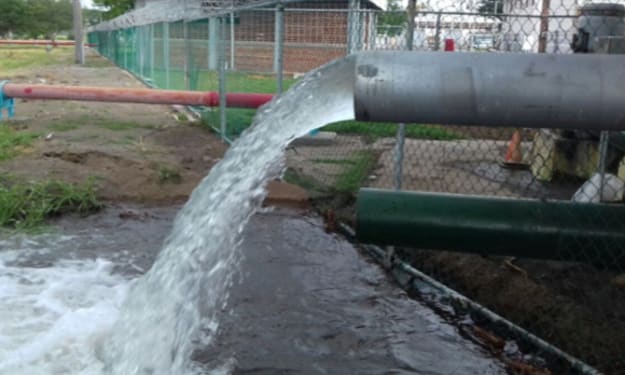
The average lifespan of a water well ranges from 25 to 40 years if it has carbon steel piping. Other steel alloys can increase the well's durability; however, a crucial point is sustainability. This means that over the years, the well continues to provide a constant and sustainable flow of water. To achieve this, it largely depends on the underground aquifers not being overexploited and on the recharge rate being greater than or equal to the extraction volume. However, today most aquifers are overexploited due to the large amount of water extracted each year. Another important factor that will ensure the sustainability of water wells is the periodic maintenance that the user must perform to keep them free of sediment and at their full depth. This includes minimizing corrosion of the steel casing pipe, thus extending its lifespan. Continuous monitoring of static and dynamic water levels in the well is also crucial, as is annual water quality analysis to identify any potential partial or total aquifer contamination.
By Ximena Ramirezabout 9 hours ago in FYI
Early March 2026: 4 Goals Accomplished
It's early March and I've now accomplished my 4th writing goal for the year of 2026. Before diving into the behind-the-scenes of it... why not tell you up front what that accomplishment was? I was published in a 2nd publication for this year. Published in Helix Literary Magazine out of Central Connecticut State University. You can read it for free right now!
By Stephen Kramer Avitabile7 days ago in Writers


Comments
There are no comments for this story
Be the first to respond and start the conversation.