
Karakuri Puppets: The Ingenious Beginnings of Japanese Robotics
Japanese Civilization

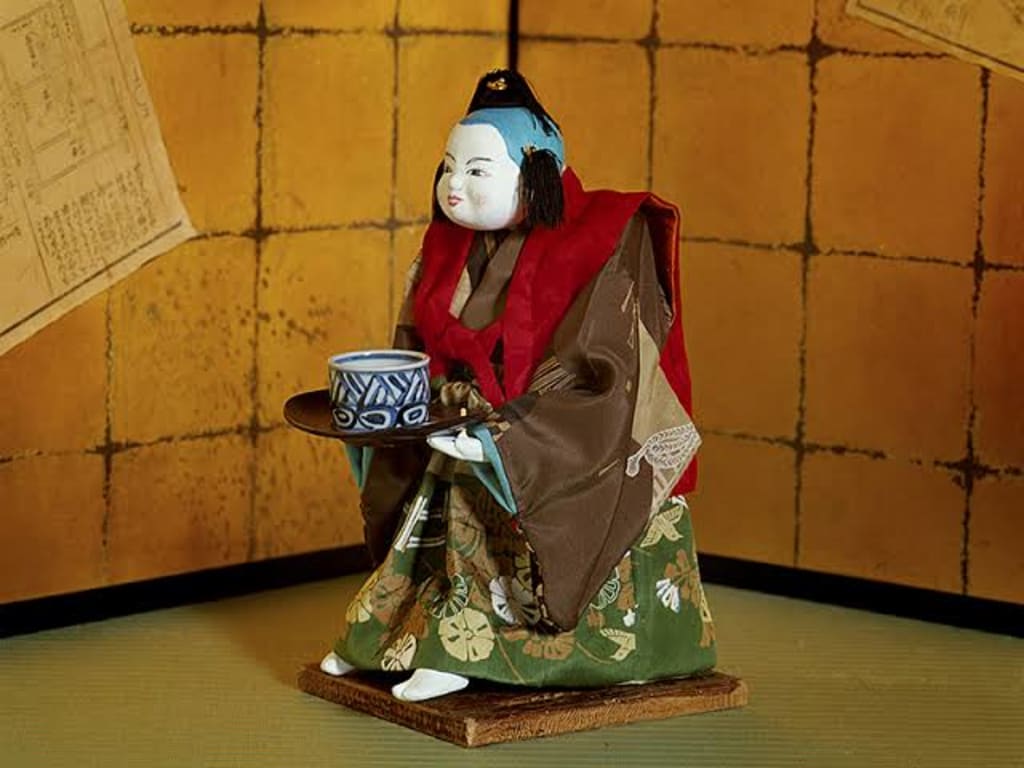
Long before the digital age and the rise of advanced robotics, Japan was already a pioneer in mechanical ingenuity. In the 1600s, during the Edo period, the Japanese created karakuri ningyō, or mechanical puppets. These intricately crafted automata were marvels of engineering and artistry, performing various tasks with a precision and charm that captivated audiences. By the 19th century, karakuri puppets could serve tea, fire arrows, and even dance, showcasing the early seeds of robotics that would eventually make Japan a global leader in the field.
The Origins of Karakuri
The word "karakuri" can be translated as “mechanism” or “trick,” and it reflects the ingenious mechanisms that powered these puppets. Karakuri puppets were typically powered by simple yet effective systems of springs, gears, and weights. While their mechanics were rooted in practicality, their purpose often leaned toward entertainment, ritual, or education.
Karakuri puppets originated during a time of cultural flourishing in Japan, when artistic expression and craftsmanship were held in high esteem. The puppets became a medium through which artisans could showcase their mechanical and artistic skills, creating a blend of function and beauty.
Types of Karakuri Puppets
Karakuri puppets were categorized into three main types, each serving a distinct purpose:
1. Zashiki Karakuri (Tatami Room Puppets)
These small, portable puppets were designed for use in homes. One of the most famous examples is the tea-serving doll. This puppet would hold a cup of tea on a tray and, powered by a spring mechanism, move forward to deliver the tea to a guest. Once the guest removed the cup, the puppet would pause, and after the cup was replaced, it would turn around and return to its starting position. This seemingly simple act delighted and amazed viewers, as it demonstrated the careful calibration of weight, balance, and movement.
2. Dashi Karakuri (Festival Floats)
These larger puppets were featured on festival floats during religious celebrations. Often depicting deities, mythical creatures, or historical figures, these puppets performed elaborate movements and actions as part of ceremonial displays. Their presence added grandeur to the festivities, blending religious reverence with entertainment.
3. Butai Karakuri (Theater Puppets)
Used in theatrical performances, these puppets were manipulated to tell stories through lifelike movements. Unlike the simpler zashiki puppets, butai karakuri required skilled operators who understood the intricate mechanisms and could time their actions perfectly to synchronize with the narrative.
Engineering and Artistry
What set karakuri puppets apart was the seamless integration of engineering and artistry. Every component was meticulously crafted to achieve both aesthetic appeal and mechanical function. The puppets' exteriors were often made from finely carved wood, lacquered and painted to resemble humans or animals. Their movements were powered by intricate internal mechanisms that relied on cams, levers, and pulleys.
Despite their complexity, these mechanisms were entirely analog, relying on precise craftsmanship rather than external power sources. The ingenuity of karakuri lies in their ability to mimic human or animal movements with surprising realism using only basic mechanical principles.
The Evolution of Karakuri Puppets
As the Edo period progressed, karakuri puppets became increasingly sophisticated. By the 19th century, artisans had developed puppets that could perform intricate tasks such as firing arrows at a target or writing calligraphy. These advancements not only showcased Japanese innovation but also reflected the culture’s deep appreciation for craftsmanship and precision.
The knowledge behind karakuri puppets was passed down through generations of artisans, often within families. These artisans were highly respected in their communities, as their work blended engineering, art, and storytelling into a singular craft.
Influence on Modern Robotics
Karakuri puppets represent one of the earliest steps in the journey toward modern robotics. Their creation was rooted in the same principles that drive today’s robotic advancements: problem-solving, precision engineering, and an understanding of motion and mechanics.
Japan’s rich tradition of karakuri has undoubtedly influenced its contemporary dominance in robotics. Companies like Honda, Sony, and Toyota have produced groundbreaking robots, from humanoid machines to industrial robots, that echo the precision and ingenuity of their karakuri predecessors.
Even today, the philosophy of monozukuri—the art of making things—remains central to Japanese innovation. This philosophy, which values meticulous craftsmanship and continuous improvement, can be traced back to the creation of karakuri puppets.
Preserving the Legacy
While modern robotics has advanced far beyond the capabilities of karakuri puppets, efforts to preserve and celebrate this ancient craft continue. Museums and festivals across Japan showcase these mechanical wonders, offering a glimpse into the ingenuity of the past. Artisans who specialize in karakuri puppets still exist, ensuring that this unique art form is not lost to history.
In recent years, there has been a renewed interest in karakuri as a cultural and educational tool. By studying these puppets, engineers and historians gain valuable insights into the history of automation and the intersection of art and technology.
Conclusion
Karakuri puppets are more than just mechanical toys—they are a testament to human creativity and the pursuit of excellence. Created in the 1600s, these intricate automata combined engineering, artistry, and storytelling in ways that continue to inspire.
From serving tea to firing arrows, karakuri puppets demonstrated a level of craftsmanship that laid the groundwork for modern robotics. As we marvel at the advanced robots of today, it’s worth remembering the humble beginnings of this journey and the timeless ingenuity of Japan’s karakuri artisans. Their legacy reminds us that behind every technological leap lies a foundation of creativity, dedication, and the relentless desire to bring ideas to life.
About the Creator
Keep reading
More stories from Deji Akomolafe and writers in FYI and other communities.
The Secret Staircase: Unveiling Hidden Mysteries of a 19th Century Victorian Home
Nestled within the intricate design of a 19th-century Victorian home lies a hidden gem that has captivated historians, architects, and dreamers alike: a concealed staircase leading to a secret room. Such architectural curiosities are a testament to the ingenuity and charm of the Victorian era, where homes were not only built for function but also for intrigue and wonder.
By Deji Akomolafeabout a year ago in FYI




Comments
There are no comments for this story
Be the first to respond and start the conversation.