
Jah Rastafari and the Art of Dub Poetry: A Look at the Importance of Oral Tradition
Exploring the Significance of Oral Tradition in Jah Rastafari and Dub Poetry: An Insight into the Art and Culture

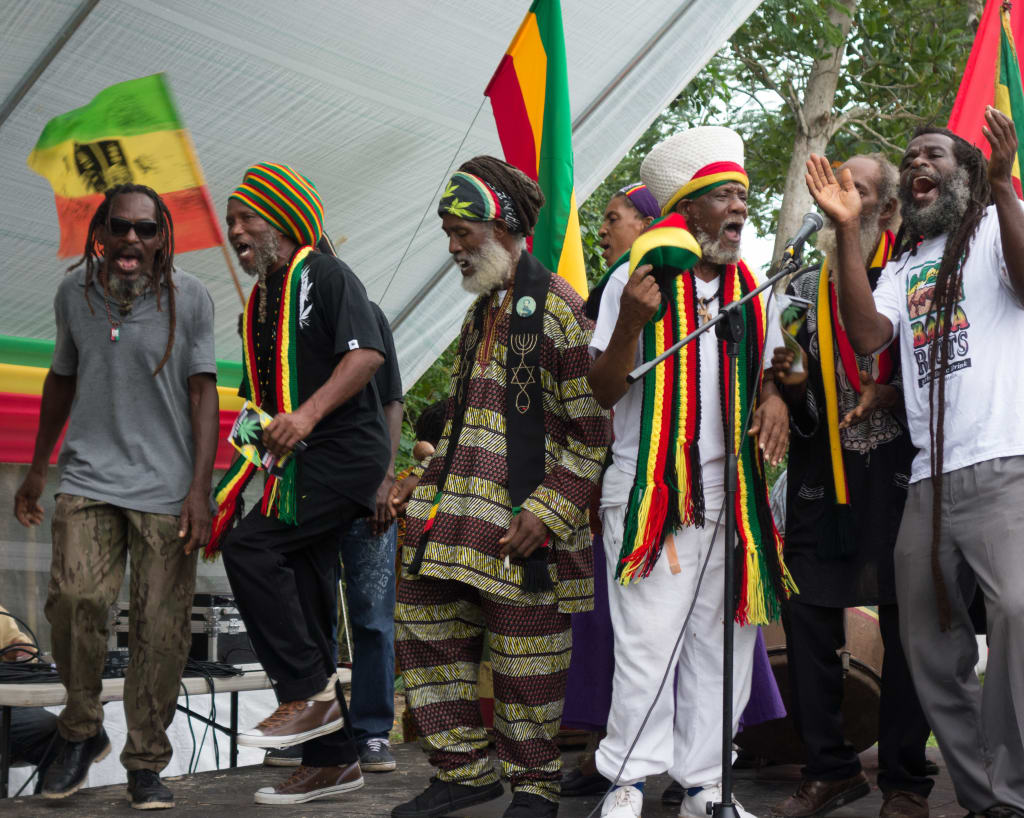
Jah Rastafari is a spiritual and cultural movement that originated in Jamaica in the 1930s. It is based on the belief that Haile Selassie I, the former emperor of Ethiopia, is the messiah and that Africa is the promised land. This movement has had a profound impact on Jamaican culture, influencing music, art, and literature. One of the most significant forms of artistic expression that emerged from the Rastafarian movement is Dub Poetry.
Dub Poetry is a form of spoken word poetry that originated in Jamaica in the 1970s. It combines elements of reggae music, African drumming, and Jamaican patois to create a powerful and evocative style of poetry that addresses social and political issues. Dub Poetry is closely connected to Rastafarianism, as it often deals with themes of social justice, spirituality, and African identity.
In this article, we will explore the importance of oral tradition in Dub Poetry and its connection to Rastafarianism. We will examine the role of oral tradition in preserving history and culture, and how it is used in Dub Poetry to convey powerful messages. Additionally, we will look at the connection between Dub Poetry and Rastafarianism, and how this art form has helped to promote Rastafarian beliefs and values. By the end of this article, you will have a deeper understanding of the significance of Jah Rastafari and the art of Dub Poetry in preserving Jamaican culture.
What is Dub Poetry?
Dub Poetry is a form of spoken word poetry that emerged in Jamaica in the 1970s. It is a unique art form that combines elements of reggae music, African drumming, and Jamaican patois to create a powerful and evocative style of poetry.
At its core, Dub Poetry is a form of political and social commentary that is often used to address issues of poverty, oppression, and inequality. Dub Poets use their art to give a voice to the marginalized and to bring attention to the struggles faced by their communities.
The history and evolution of Dub Poetry can be traced back to the political and social unrest of the 1970s in Jamaica. This was a time of great turmoil, with widespread poverty and social inequality, and it was against this backdrop that Dub Poetry emerged. Dub Poets used their art to express their frustration with the system and to call for change.
Dub Poetry quickly gained popularity in Jamaica and soon spread to other parts of the world. Today, it is recognized as an important art form that has played a significant role in shaping Jamaican culture.
The significance of Dub Poetry in Jamaican culture cannot be overstated. It has helped to give a voice to the voiceless and to raise awareness of the issues faced by marginalized communities. Dub Poetry has also helped to preserve the rich cultural heritage of Jamaica, by drawing on traditional forms of music and language.
Dub Poetry is closely connected to Rastafarianism, as it often deals with themes of spirituality, African identity, and social justice. Many Dub Poets are also Rastafarians, and their work reflects the principles and values of the Rastafarian movement. Dub Poetry has played a significant role in promoting Rastafarianism and in raising awareness of its beliefs and values.
The Importance of Oral Tradition in Dub Poetry
Oral tradition refers to the transmission of cultural heritage, knowledge, and history through spoken word rather than through written records. In many cultures, oral tradition has played a crucial role in preserving history and culture, passing down traditions and customs from one generation to the next.
In the context of Dub Poetry, oral tradition is essential. Dub Poetry is a form of spoken word poetry that is meant to be performed, not read. It relies on the power of the spoken word and the ability of the poet to convey a message through their voice and delivery.
The connection between oral tradition and Dub Poetry is evident in the way that Dub Poets draw on traditional forms of music and language to create their work. Many Dub Poets use Jamaican patois, a form of Creole that is spoken in Jamaica, to give their work an authentic and unique flavor. They also draw on the rhythms and beats of reggae music, using it as a backdrop to their spoken word performances.
In many ways, Dub Poetry is an extension of the oral tradition that has been a part of Jamaican culture for centuries. It draws on the same principles of storytelling and performance that have been used by generations of Jamaicans to pass down their history and culture.
Many Dub Poetry artists use oral tradition in their work, incorporating traditional storytelling techniques and techniques of performance to create a powerful and evocative experience for their audiences. Examples of Dub Poetry artists who use oral tradition in their work include Linton Kwesi Johnson, Mutabaruka, and Oku Onuora.
Through their work, these artists have helped to preserve the rich cultural heritage of Jamaica and to give a voice to the marginalized and oppressed. They have used the power of oral tradition to create a form of art that is both timeless and relevant, and that continues to resonate with audiences around the world.
Rastafarianism and Dub Poetry
Rastafarianism and Dub Poetry are intimately connected, both drawing on the same principles of social justice, spirituality, and African identity. The two have been intertwined since the early days of Dub Poetry, with many Dub Poets being Rastafarians themselves.
Dub Poetry has played an important role in promoting Rastafarianism and raising awareness of its beliefs and values. Dub Poets often use their art to address issues of social inequality and oppression, drawing on Rastafarian principles of justice and equality.
The influence of Rastafarianism on Dub Poetry artists can be seen in the themes and subjects that they address in their work. Many Dub Poets draw on Rastafarian beliefs in their work, incorporating themes of spirituality, African identity, and social justice.
Examples of Rastafarian themes in Dub Poetry include the importance of Africa as a spiritual homeland, the struggle against Babylon (the oppressive system), and the celebration of Haile Selassie I as a spiritual leader. These themes reflect the principles and values of Rastafarianism and have helped to promote its beliefs and ideas to audiences around the world.
Rastafarianism has also influenced the style and delivery of Dub Poetry, with many artists incorporating traditional Rastafarian chants and rhythms into their performances. This has helped to give Dub Poetry a distinct and recognizable sound, and has helped to promote Rastafarianism as a cultural and spiritual movement.
Conclusion
Dub Poetry is a powerful form of art that draws on the principles of oral tradition to convey powerful messages about social justice, spirituality, and African identity. It is deeply connected to Rastafarianism, with many Dub Poets being Rastafarians themselves.
The importance of oral tradition in Dub Poetry cannot be overstated, as it is through the spoken word that the message is conveyed. This connection to oral tradition is also a key part of Rastafarianism, which has a rich cultural heritage that is preserved through storytelling and performance.
I encourage readers to explore Dub Poetry and its connection to Rastafarianism. There are many talented Dub Poetry artists who use their art to promote social justice and raise awareness of important issues.
In the end, Jah Rastafari and Dub Poetry are essential parts of Jamaican culture. They help to preserve the country’s rich cultural heritage and to give a voice to the marginalized and oppressed. Through their work, they continue to inspire and captivate audiences around the world, reminding us of the power of art to effect change and promote social justice.
If you are interested in learning more about Jah Rastafari, Dub Poetry, and oral tradition, here are some resources that you may find useful:
Books:
“Rastafari: A Very Short Introduction” by Ennis B. Edmonds
“Dub Poetry: The Language of the Black Diaspora” by Yvette Christianse
“The Power of the Word: Culture, Curation and the Oral Tradition” edited by Chenzira Davis Kahina
Articles:
“Rastafarianism and Its Influence on Jamaican Music” by Patricia Meschino in Billboard
“Dub Poetry as the Art of Resistance: the Cultural Politics of Linton Kwesi Johnson” by Pablo Mukherjee in Wasafiri: The Magazine of International Contemporary Writing
“Oral Tradition and Modern African Poetry” by Kofi Anyidoho in The Journal of Modern African Studies
Websites:
Dub Poetry: The Foundation – A website dedicated to the history and evolution of Dub Poetry
Rastafarianism – A website that explores the beliefs and practices of Rastafarianism
African Poetry Book Fund – A website that features African poetry and supports the publication of emerging African poets
These resources should provide you with a solid foundation for learning more about Jah Rastafari, Dub Poetry, and oral tradition. Happy exploring!
Final Note
If you’re interested in exploring who is Jah and Rastafarian culture further, we invite you to check out Fifth Degree’s collection of Rastafarian clothing. Our clothing is designed to reflect the spirit and teachings of Rastafarianism, with bold colors, empowering messages, and a commitment to sustainability and ethical production. We believe that what you wear can be a powerful expression of your values and beliefs, and we’re proud to offer a range of high-quality, stylish, and socially conscious clothing for individuals who are seeking to live in harmony with nature and the divine. Visit our website today to learn more about our collection and find the perfect Rastafarian clothes for woman for you.


Comments
There are no comments for this story
Be the first to respond and start the conversation.