
Islamabad Bombing Renews Debate Over Cross-Border Violence in Pakistan
Deadly attack raises questions about regional security, intelligence gaps, and militant networks

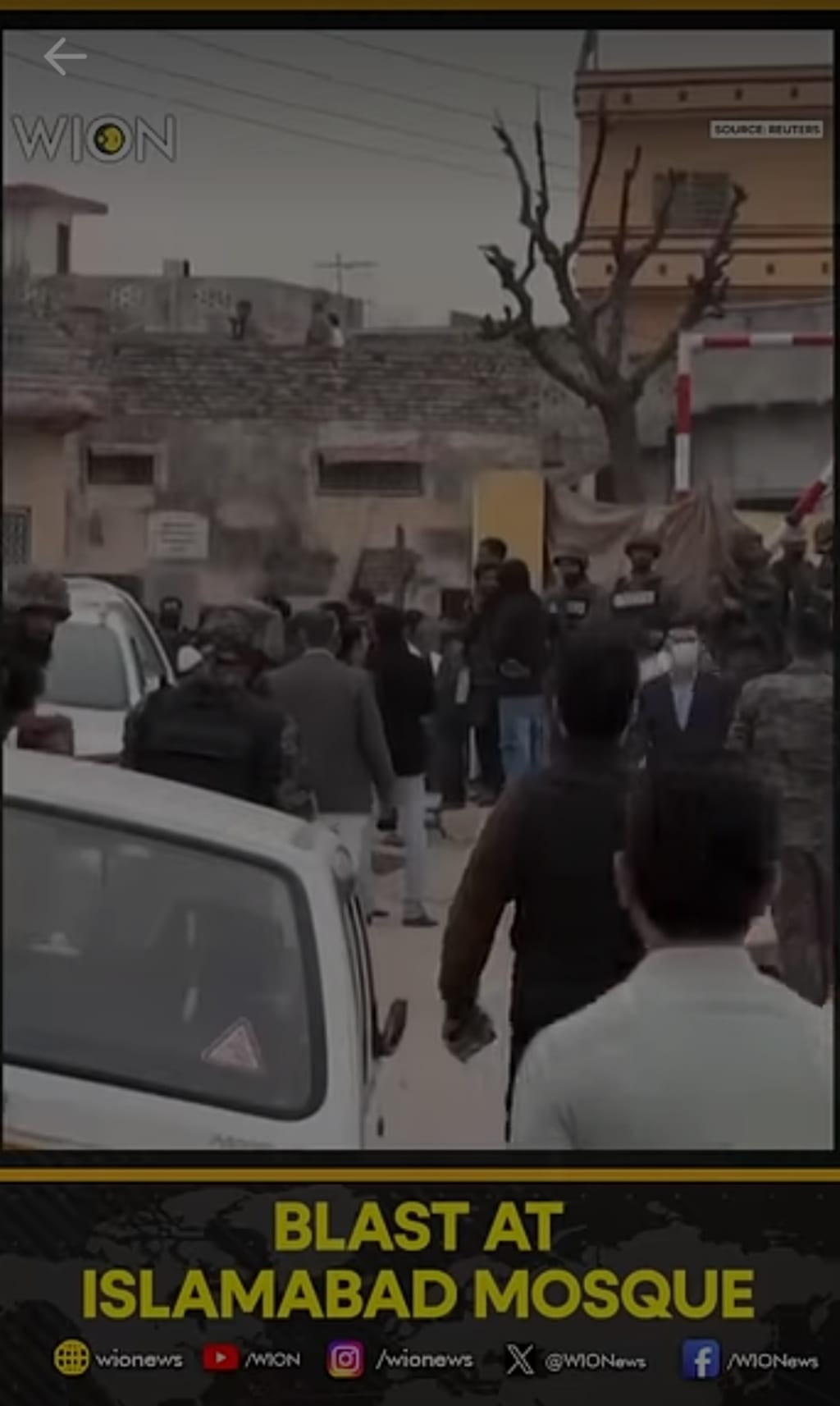
A deadly bombing in Islamabad has once again drawn attention to the issue of cross-border attacks and the broader security challenges facing Pakistan. The incident, which resulted in multiple casualties, has prompted renewed scrutiny of militant activity, border control, and intelligence coordination in the region. Officials say investigations are ongoing, with authorities seeking to determine responsibility and possible links to external networks.
The attack occurred in a busy area of the capital, underscoring concerns about the reach and intent of militant groups capable of operating in highly secured urban centers. While no immediate claims of responsibility were confirmed, the bombing has intensified public debate over how Pakistan addresses threats that may originate beyond its borders.
L
Details of the Attack
According to Pakistani authorities, the bombing involved an explosive device detonated in a populated part of Islamabad. Emergency services responded quickly, and the injured were transported to nearby hospitals. Officials confirmed fatalities but avoided releasing specific operational details while the investigation remains active.
Security forces cordoned off the area to collect forensic evidence. Surveillance footage and eyewitness accounts are reportedly being reviewed to reconstruct the sequence of events leading up to the explosion.
Government Response and Initial Findings
Pakistan’s interior ministry condemned the attack and described it as an act aimed at destabilizing public confidence. Senior officials stated that counterterrorism units had been placed on heightened alert, particularly in major cities.
Early findings suggest the attack was carefully planned, though authorities have cautioned against drawing conclusions before investigations are completed. Officials emphasized that any assessment of cross-border involvement would be based on verified intelligence rather than speculation.
Focus on Cross-Border Militancy
The bombing has renewed attention on Pakistan’s long-standing concerns about militant groups operating across porous borders. Security analysts note that Pakistan has repeatedly raised the issue of armed groups finding sanctuary outside its territory and launching attacks within the country.
Islamabad has previously accused external actors of failing to prevent militant movement across borders. These accusations are often denied by neighboring states, highlighting the diplomatic sensitivity surrounding cross-border security issues.
Regional Security Context
Pakistan’s security environment is shaped by its geographic location and complex regional relationships. Border regions have historically been difficult to monitor due to rugged terrain, limited infrastructure, and ongoing conflict dynamics.
Militant groups operating in the broader region have adapted their tactics over time, increasingly targeting urban centers to maximize impact and media attention. Analysts say this trend places additional pressure on intelligence agencies to detect threats before attacks occur.
Intelligence and Coordination Challenges
Experts point to intelligence coordination as a key challenge in preventing such attacks. While Pakistan has invested heavily in counterterrorism capabilities over the past decade, gaps remain in intelligence sharing, both domestically and internationally.
Coordination between civilian law enforcement, intelligence agencies, and military units is critical for effective threat prevention. The Islamabad bombing has prompted renewed calls for improving information flow and early warning mechanisms.
Impact on Public Safety and Daily Life
The attack has had a noticeable effect on public sentiment in Islamabad. Increased security checkpoints and patrols have been deployed across the city, particularly near government buildings and public venues.
Residents expressed concern over safety but also emphasized resilience. Authorities have urged the public to remain vigilant and report suspicious activity while continuing normal daily routines.
Political Reactions and Debate
Political leaders across party lines condemned the bombing and expressed solidarity with the victims. Several lawmakers called for a comprehensive review of Pakistan’s counterterrorism strategy, including border management and diplomatic engagement with neighboring countries.
Opposition figures stressed the need for transparency in the investigation, while government representatives highlighted ongoing efforts to address security threats through both military and diplomatic channels.
Diplomatic Implications
Cross-border violence has long complicated Pakistan’s relations with neighboring states. Accusations and counter-accusations following attacks often strain diplomatic ties and hinder regional cooperation.
Analysts suggest that incidents like the Islamabad bombing may prompt renewed diplomatic engagement, particularly through regional forums focused on security cooperation and intelligence sharing.
Historical Pattern of Urban Attacks
Pakistan has experienced periods of heightened militant violence in the past, particularly during the late 2000s and early 2010s. While security operations significantly reduced attack frequency in subsequent years, recent incidents suggest that militant networks remain active.
Urban attacks are often intended to signal operational capability rather than territorial control. Security experts warn that complacency can allow such networks to regroup and exploit vulnerabilities.
Role of Counterterrorism Operations
Pakistan’s counterterrorism strategy has relied on a combination of military operations, intelligence-led policing, and legal reforms. These efforts have dismantled several militant networks, but officials acknowledge that the threat has not been eliminated.
The Islamabad bombing has renewed discussion about whether existing measures are sufficient or require adjustment to address evolving tactics.
Media and Information Responsibility
Authorities urged media outlets to report responsibly, avoiding unverified claims that could inflame tensions or spread misinformation. Analysts note that premature attribution of attacks can complicate investigations and diplomatic efforts.
Responsible reporting plays a key role in maintaining public trust and preventing panic during periods of heightened security concern.
Public Calls for Accountability
Civil society groups and security analysts have called for accountability at multiple levels, including intelligence preparedness and emergency response. There are also calls for greater parliamentary oversight of security policy.
Families of victims have demanded justice and transparency, emphasizing the human cost of ongoing security challenges.
Looking Ahead
Investigators continue to analyze evidence to identify those responsible for the bombing and determine whether cross-border elements were involved. Officials say findings will be shared once verified.
In the longer term, the attack is likely to influence Pakistan’s security planning, diplomatic engagement, and public discourse on regional stability.
Conclusion
The deadly Islamabad bombing has sharpened focus on Pakistan’s ongoing struggle with militancy and the complexities of cross-border security threats. While investigations are still underway, the incident highlights the need for sustained intelligence coordination, regional cooperation, and public resilience.
As Pakistan confronts evolving security challenges, balancing enforcement, diplomacy, and transparency will remain central to preventing future attacks and maintaining public confidence.
---
If
About the Creator
Saad
I’m Saad. I’m a passionate writer who loves exploring trending news topics, sharing insights, and keeping readers updated on what’s happening around the world.
Why Some Sports Never Globalize
Not all sports are meant for the world—or, more precisely, not all sports survive the journey. While football, basketball, and cricket have crossed borders and embedded themselves into multiple cultures, many other sports remain stubbornly local. They thrive intensely in specific regions yet fail to translate beyond them, despite media exposure, professionalization, or institutional effort. This uneven globalization is not accidental. It reflects deep structural, cultural, and economic constraints that shape how sports travel—or don’t.
By Gus Woltmann6 days ago in FYI




Comments
There are no comments for this story
Be the first to respond and start the conversation.