
How GPS Integration in Car DVRs Provides Critical Data for Incident Reporting
GPS Integration in Car DVRs Provides Critical Data for Incident Reporting

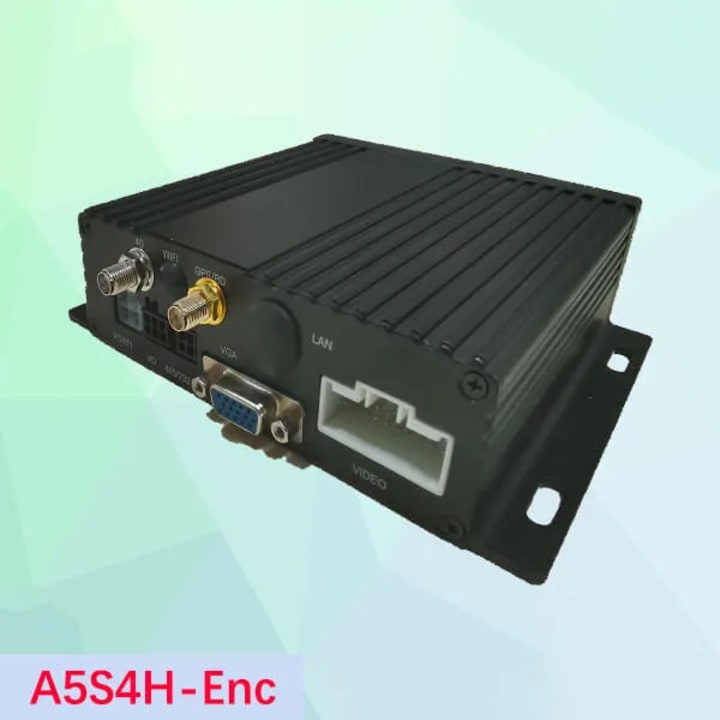
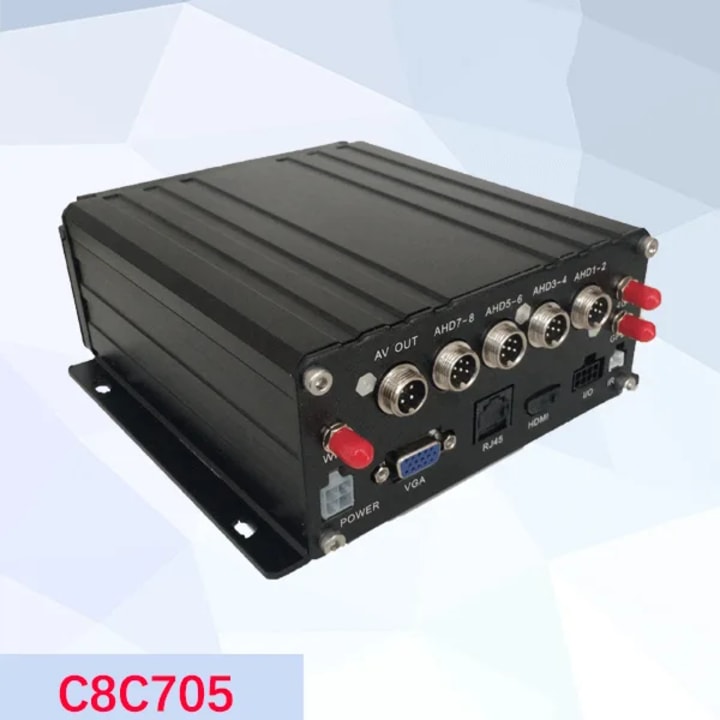
A GPS-enabled car DVR goes beyond the capabilities of standard dashcams. While traditional DVRs record video footage of the road, adding GPS functionality introduces a dimension of precision and context. With GPS integration, these devices log exact geographical coordinates, speed, and travel routes, offering a comprehensive view of any incident. This combination of video evidence and contextual data makes GPS-enabled car DVRs indispensable tools for ensuring clarity and accuracy in documenting road events.
The Benefits of GPS-Enabled Car DVRs
GPS-enabled car DVRs provide a range of advantages that make them invaluable for incident reporting. One of the most significant benefits is accurate location tracking. When an accident occurs, knowing the exact geographical coordinates can be pivotal for understanding the circumstances surrounding the incident. For instance, location data can reveal whether the accident happened at a specific intersection, aiding investigators in reconstructing events with precision. This information also eliminates disputes about the incident’s location, ensuring that the evidence presented is indisputable.
Another critical feature of GPS-enabled DVRs is speed monitoring. The device records the vehicle’s speed throughout its journey, providing clarity about the driver’s behavior during an incident. If a driver is accused of speeding, GPS data can confirm or refute the claim by showing the actual speed at the time. This capability not only exonerates drivers who were within legal limits but also highlights instances where speed violations contributed to an accident. Such data is invaluable in legal and insurance settings, offering concrete evidence that removes speculation from the equation.
Route history logging is another notable benefit of GPS-enabled DVRs. By creating a digital trail of the vehicle’s journey, these devices provide a detailed timeline of events. For investigators, route history can reveal the sequence of actions leading up to an accident. Insurance providers can use the data to confirm that the reported journey aligns with the logged route, reducing the potential for fraudulent claims. Additionally, for businesses managing fleets, route logs ensure driver accountability and adherence to assigned paths, fostering operational efficiency and transparency.

Legal and Insurance Applications
In legal disputes arising from road incidents, GPS-enabled car DVRs can significantly strengthen a driver’s case. The combination of video footage and GPS data offers objective, irrefutable evidence that surpasses eyewitness testimony, which can be unreliable. For instance, if a driver is wrongly accused of running a red light, GPS data paired with video footage can demonstrate compliance with traffic laws. By presenting factual information, these devices simplify the legal process and provide clarity.
For insurance claims, GPS-enabled DVRs streamline the reporting process by providing critical evidence. The data helps establish an accurate timeline of events, enabling insurers to understand the circumstances of the accident. Speed and location logs play a key role in determining liability, ensuring that fault is assigned based on concrete evidence. Additionally, the availability of verifiable data minimizes the likelihood of fraudulent claims, fostering trust between insurers and policyholders while expediting the settlement process.
Encouraging Safer Driving Practices
The presence of a GPS-enabled car DVR can also contribute to safer driving behaviors. Knowing that actions are being recorded and monitored encourages drivers to adhere to traffic rules and maintain safe speeds. This “deterrence effect” reduces the likelihood of risky driving, thereby decreasing the chances of accidents. In commercial settings, such as fleet management, GPS-enabled DVRs allow businesses to monitor driver behavior and ensure compliance with safety protocols. This proactive approach not only enhances safety but also promotes accountability.
Technical Features Enhancing GPS Integration
Modern GPS-enabled car DVRs are equipped with advanced technical features that enhance their functionality. One such feature is real-time synchronization, which pairs GPS data with video recordings as they happen. This ensures that every moment of footage is tagged with corresponding speed and location details, making it easier to analyze incidents.
Another feature is geofencing, which allows users to define specific areas for vehicle operation. When a vehicle enters or exits these zones, the DVR triggers alerts, providing an additional layer of control, especially for fleet managers. Cloud connectivity is also becoming a standard in many GPS-enabled DVRs, enabling users to securely store and access data remotely. This feature simplifies data sharing with insurance companies or legal teams.
Another highlight of these devices is their user-friendly interfaces. The latest models offer intuitive software that overlays GPS data on maps, allowing users to visualize routes, speed variations, and incident locations easily. These features collectively make GPS-enabled DVRs a powerful tool for incident reporting and driver management.
Real-World Applications
The practical applications of GPS-enabled car DVRs extend across various scenarios. In multi-vehicle collisions, for example, determining fault can be challenging. GPS data provides insights into the speed and location of each vehicle, helping investigators establish the cause of the crash. Similarly, in hit-and-run cases, timestamped footage combined with GPS data can assist law enforcement in tracking down offenders.
These devices are also useful in disputes with law enforcement. Drivers who are wrongfully penalized for alleged traffic violations can use GPS data to prove compliance with laws. In the commercial sector, logistics companies benefit from GPS-enabled DVRs by ensuring that their drivers adhere to assigned routes and maintain safe driving practices, enhancing overall efficiency and safety.
Future Trends in GPS-Enabled Car DVRs
The future of GPS-enabled car DVRs looks promising, with advancements in technology poised to enhance their capabilities further. Artificial intelligence is expected to play a significant role in these devices, enabling automated analysis of data and generating incident reports. GPS technology will also become more accurate, improving the precision of location and speed tracking.
As prices continue to decline, GPS-enabled car DVRs will become accessible to a wider audience, fostering safer roads and more transparent incident reporting. These developments will ensure that GPS-enabled DVRs remain at the forefront of automotive safety and accountability.
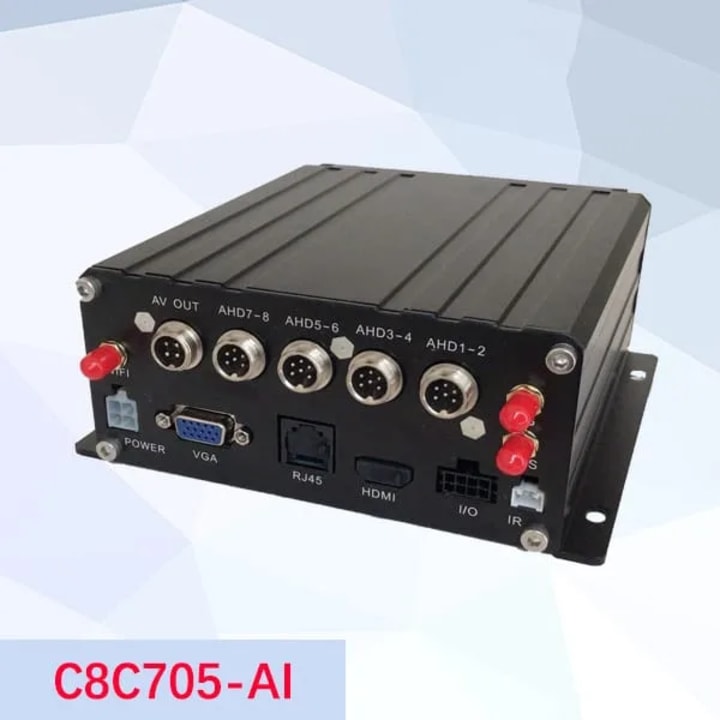
Secure your journeys with MacFaith E-Technology Co., Ltd's cutting-edge mobile DVR for vehicles. Their advanced vehicle surveillance camera systems combine GPS integration with high-definition video recording to provide accurate location data, speed tracking, and route history — essential for incident reporting and ensuring safety. Whether you're managing a fleet of buses, taxicabs, or commercial vehicles, their customizable vehicle surveillance solutions cater to your specific needs. With integrated AI features like ADAS, DMS, and BSD, their mobile DVR and camera systems can enhance driver awareness and reduce risks on the road.
Get in touch with them for more information.
About the Author
Chris Ryley is a tech enthusiast and automotive safety advocate. She loves exploring innovative solutions like mobile DVRs to enhance road security and efficiency.
About the Creator
Keep reading
More stories from Amanda Jones and writers in FYI and other communities.
Evaluating the Performance of Different Lens Types in Car Cameras
Evaluating the Performance of Different Lens Types in Car Cameras With advancements in automotive technology, car cameras have become indispensable components for vehicle safety and functionality. These cameras, used in systems like rearview and surround-view cameras, help drivers navigate their surroundings with greater accuracy. A critical factor influencing camera performance is the type of lens used, which affects the field of view, image clarity, and potential distortions.
By Amanda Jones9 months ago in FYI


Comments
There are no comments for this story
Be the first to respond and start the conversation.