
Evaluating the Performance of Different Lens Types in Car Cameras
Performance Evaluation for different types of car cameras

Evaluating the Performance of Different Lens Types in Car Cameras
With advancements in automotive technology, car cameras have become indispensable components for vehicle safety and functionality. These cameras, used in systems like rearview and surround-view cameras, help drivers navigate their surroundings with greater accuracy. A critical factor influencing camera performance is the type of lens used, which affects the field of view, image clarity, and potential distortions.
Here’s a guide to the differences between various lens types used in car cameras.
The Importance of Lens Selection in Car Cameras
The selection of the right lens type is essential in car camera systems. Each lens type offers unique features that affect the camera’s utility for specific applications, whether for backing up, parking assistance, or lane-keeping. Three of the most critical aspects that vary by lens are discussed below.
●Field of View (FOV): The extent of the scene visible to the camera, which is particularly important for providing a comprehensive view around the vehicle.
●Image Distortion: The level to which the image is altered by the lens curvature. Distortion can cause objects to appear differently than they do in reality.
●Light Sensitivity and Sharpness: Different lenses also affect image quality, particularly in terms of light transmission and sharpness, impacting low-light performance.
Fisheye Lenses: Maximizing Field of View
Fisheye lenses are widely used in car cameras due to their capability to capture an extremely wide field of view, often up to 180° or even more. Here’s an in-depth look at how fisheye lenses perform in car cameras.
Field of View
A fisheye lens provides a panoramic field of view that makes it ideal for applications requiring a full view around the vehicle, such as rear-view or surround-view systems. This lens type effectively minimizes blind spots, helping drivers gain a more complete awareness of their surroundings.
Image Distortion
One significant drawback of fisheye lenses is distortion, especially at the edges of the image. This type of lens creates a “barrel” effect, where straight lines appear curved, which can affect depth perception and object identification. In car cameras, manufacturers often use software to correct this distortion, but it can still present challenges in accurately assessing distances.
Image Quality
Fisheye lenses are designed for capturing a large scene, which can compromise image quality in terms of sharpness and clarity, especially at the periphery. These lenses may also struggle with light sensitivity, making them less effective in low-light conditions unless combined with high-quality image sensors.
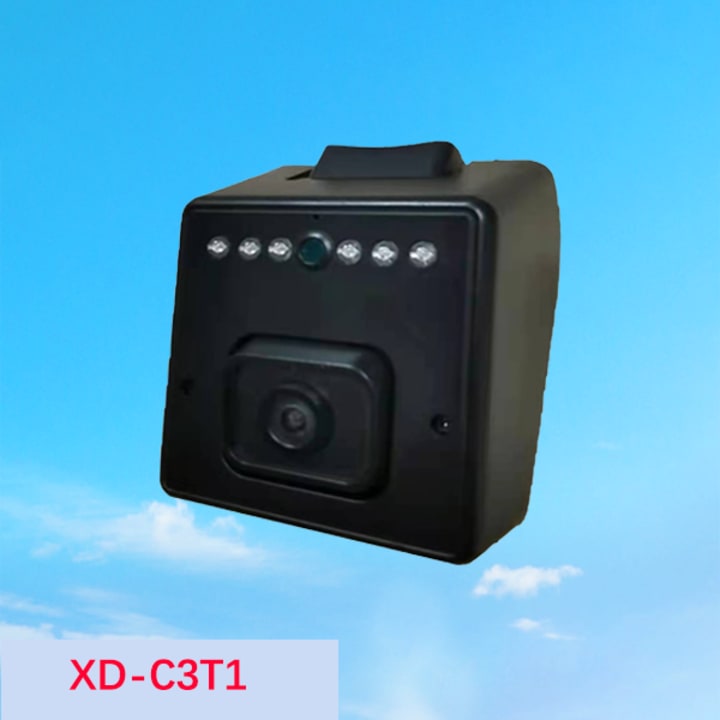
Wide-Angle Lenses: Balancing Field of View and Distortion
Wide-angle lenses are also commonly used in car cameras, providing a balance between a broad field of view and manageable levels of distortion.
Field of View
Wide-angle lenses offer a broader FOV than standard lenses but are narrower than fisheye lenses, typically around 120° to 150°. This range is generally adequate for side or rear-view cameras, where drivers need a clear, but not overly panoramic, view of their surroundings.
Image Distortion
Compared to fisheye lenses, wide-angle lenses exhibit less image distortion. However, they still produce some barrel distortion at the edges, which can slightly skew the appearance of objects. This level of distortion is generally more manageable and less intrusive than with fisheye lenses, making wide-angle lenses suitable for applications that require both a wide field of view and reliable image fidelity.
Image Quality
Wide-angle lenses often deliver better image clarity and sharpness than fisheye lenses, especially toward the edges of the image. This is due to the reduced degree of curvature in the lens. As a result, wide-angle lenses are more reliable in capturing detailed images, particularly when combined with high-resolution sensors.
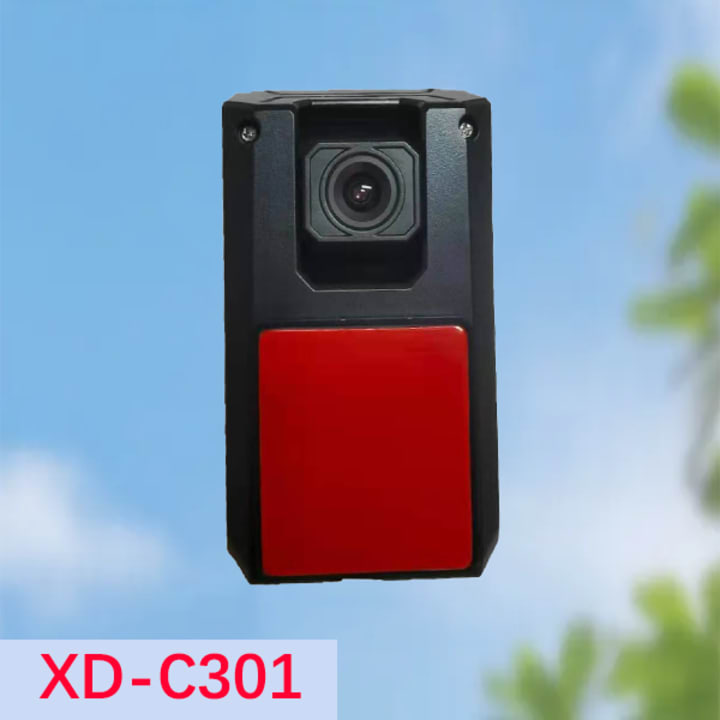
Standard Lenses: Optimal for Specific Use Cases
While not as common as fisheye or wide-angle lenses, standard lenses are sometimes used in car cameras for specific applications that require focused views with minimal distortion.
Field of View
Standard lenses provide a narrower FOV, generally between 50° to 90°, depending on the lens specifications. This makes them less ideal for capturing wide scenes but highly effective for situations requiring focused views, such as in front-facing cameras used for object detection and collision warnings.
Image Distortion
Standard lenses have minimal distortion, maintaining the integrity of straight lines and preserving realistic proportions. This makes them ideal for applications where precise object identification and distance assessment are crucial, such as for lane detection and object tracking systems.
Image Quality
With limited curvature, standard lenses produce high-quality images with better sharpness and clarity than wider-angle lenses. They also tend to perform better in low-light conditions since their narrower FOV means that light is more concentrated, enhancing sensor performance in darker environments.
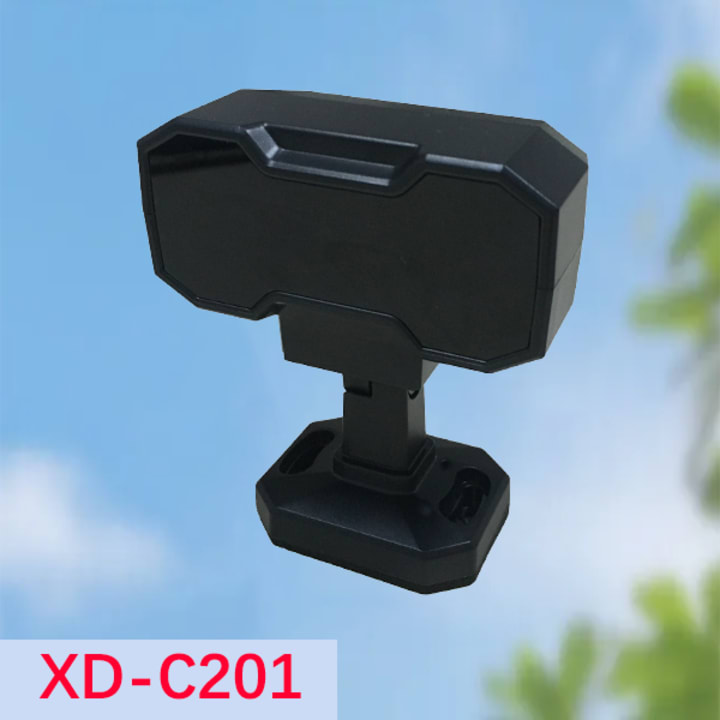
Choosing the Right Lens for Car Camera Applications
The choice of lens type should align with the intended function of the car camera.
●Surround-View and Rear-View Cameras: Fisheye lenses are popular for their extremely wide FOV, allowing drivers to see objects around the vehicle without needing multiple cameras. However, due to distortion, software correction may be required.
●Side-View and Rear-View Cameras: Wide-angle lenses offer an optimal balance between FOV and manageable distortion. These lenses are ideal for side and rear-view cameras, providing a clear view of adjacent lanes or obstacles without significant distortion.
●Front-Facing and Detection Cameras: For cameras aimed at object detection or lane tracking, standard lenses are preferable due to their low distortion and high image clarity, which are essential for safety features such as automatic braking.
Future Trends and Innovations in Car Camera Lens Technology
The automotive industry is moving toward greater integration of software-based image processing to minimize distortion in wide-angle and fisheye lenses. Advanced algorithms can correct distortions in real time, allowing these lenses to offer broad views without compromising image quality. Moreover, there’s ongoing research into multi-lens camera systems, which combine different lenses to provide both wide and narrow views, giving drivers and autonomous systems a complete and accurate picture of the surroundings.
Additionally, newer lens coatings and improved materials are enhancing light sensitivity and reducing reflections, which can further improve the performance of car camera systems in low-light conditions.
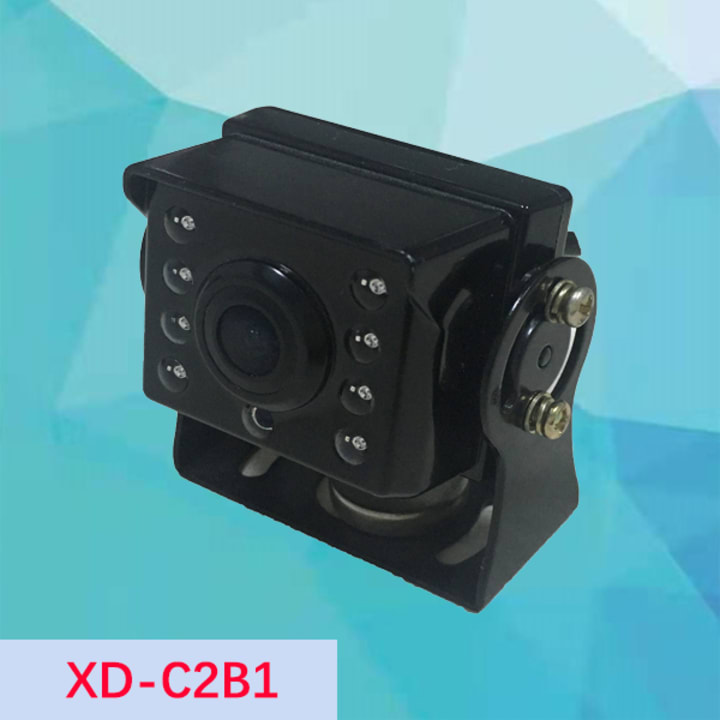
Enhance your vehicle's safety and efficiency with MacFaith E-Technology Co., Ltd's advanced vehicle surveillance camera systems. Their advanced vehicle surveillance solutions offer a range of lens types to ensure comprehensive coverage of your surroundings without compromising image quality. Ideal for all types of vehicles, their security cameras for cars capture clear, detailed footage that’s crucial for incident evidence and driver safety. With cutting-edge mobile DVR camera systems and smart AI features, they provide tailored vehicle surveillance solutions that meet your specific security needs.
Reach out to them for more information.
About the Author
Tessa Rinehart is a tech writer specializing in automotive safety and surveillance innovations. With a keen eye for emerging technologies, she breaks down complex topics into clear, insightful content for industry professionals and enthusiasts alike.
About the Creator
Keep reading
More stories from Amanda Jones and writers in FYI and other communities.
Dashcams vs. DVRs — What's the Difference?
It’s no secret that technology plays an increasingly critical role in enhancing safety and convenience for the automotive industry. Two devices that have become synonymous with these advancements are dashcams and DVRs (Digital Video Recorders). While both devices capture footage, their functionalities, applications, and technical configurations differ significantly.
By Amanda Jones9 months ago in FYI
Neutraceutical Packaging Market Size and Forecast 2025–2033
Neutraceutical Packaging Market at a Glance The Neutraceutical Packaging Market is projected to expand from US$ 4.92 billion in 2024 to US$ 7.63 billion by 2033, growing at a CAGR of 4.99% from 2025 to 2033. This steady growth reflects the accelerating global demand for dietary supplements, functional foods, herbal products, and wellness beverages. Rising health awareness, aging populations, sustainability expectations, the rapid growth of e-commerce, and evolving regulatory frameworks are reshaping how nutraceutical products are packaged, protected, and presented.
By Aaina Oberoi3 days ago in FYI



Comments
There are no comments for this story
Be the first to respond and start the conversation.