
How did the Mayan Civilization actually disappear from the world?
Civilization | Infographics Show

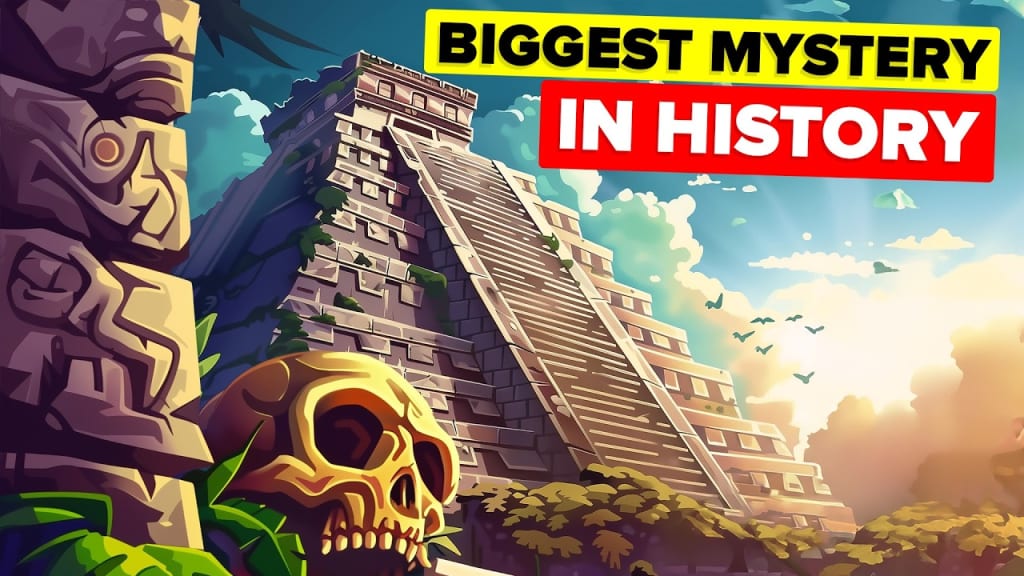
Turns out, the Mayans didn't just vanish in a puff of smoke. Its collapse occurred gradually over about 100 years, with different areas affected at different times.
Overpopulation likely contributed to the fall. Major cities like Tikal reached populations of 50,000, straining available resources and food production capabilities.
Mother Nature wasn't playing nice either. We're talking a mega-drought that lasted centuries. Rain decided to take a 400-year vacation.
Mayan agricultural practices, particularly slash-and-burn techniques, led to significant deforestation. This likely exacerbated climate issues, reducing rainfall and increasing temperatures.
Food shortages and resource scarcity may have led to increased warfare between Mayan city-states, further disrupting trade routes and economic stability.
Some cities show signs of violent attacks or hasty abandonment, with unfinished buildings and artwork left behind. This could indicate either external threats or internal rebellions.
The collapse wasn't uniform. Northern cities like Chichen Itza and Uxmal continued to thrive for about 150 years after southern cities fell, before mysteriously declining as well.
While the civilization collapsed, the Mayan people didn't disappear. An estimated seven million people of Mayan descent still live in Mexico and Central America today, preserving aspects of their ancestral culture.
📝 SOURCES: https://pastebin.com/zeEScLQ9
About the Creator
Infographics Show
Infographics Show is made up of a group of creative and passionate writers who love to share information in a visual engaging way.
Reader insights
Nice work
Very well written. Keep up the good work!
Top insights
Expert insights and opinions
Arguments were carefully researched and presented
Eye opening
Niche topic & fresh perspectives
On-point and relevant
Writing reflected the title & theme
Keep reading
More stories from Infographics Show and writers in FYI and other communities.




Comments
There are no comments for this story
Be the first to respond and start the conversation.