
How Climate Change Influences the Spread of Mosquito-Borne Diseases (and How You Can Stay Protected)
Mosquito-Borne Diseases
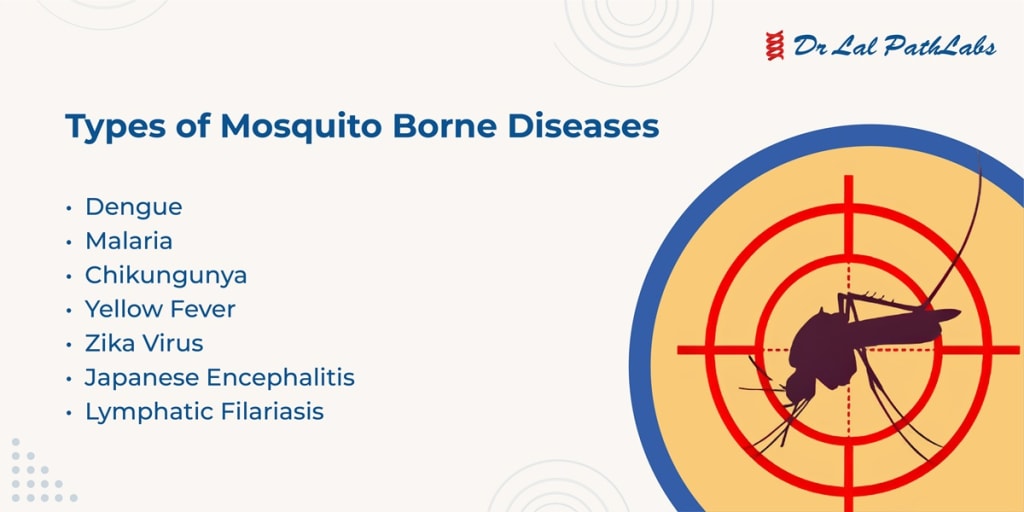
Climate change is one of the most pressing issues of our time, affecting various aspects of our environment and health. One significant impact of climate change is the alteration in the spread of mosquito-borne diseases. As global temperatures rise, the habitats and behaviours of mosquitoes change, leading to an increase in the prevalence of diseases such as malaria, dengue, Zika, and chikungunya. This article explores how climate change influences the spread of these diseases and provides practical tips on how you can stay protected.
The Impact of Climate Change on Mosquito-Borne Diseases
Temperature and Mosquito Habitats: Mosquitoes thrive in warm climates, and rising global temperatures expand their habitable zones. Regions that were previously too cold for mosquitoes are now becoming suitable for their survival and reproduction. This means that mosquito-borne diseases are spreading to new areas, including higher altitudes and latitudes.
Extended Breeding Seasons: Warmer temperatures lead to longer breeding seasons for mosquitoes. This results in an increase in mosquito populations and a higher likelihood of disease transmission. In some regions, mosquitoes can now breed year-round, further exacerbating the spread of diseases.
Increased Rainfall and Flooding: Climate change is causing more frequent and intense rainfall and flooding events. These conditions create ideal breeding grounds for mosquitoes, as stagnant water is necessary for their larvae to develop. Flooded areas and waterlogged environments become hotspots for mosquito activity.
Drought and Water Storage: In response to drought conditions, people often store water in containers, which can become breeding sites for mosquitoes. This unintended consequence of water conservation efforts can increase the risk of mosquito-borne diseases in drought-affected areas.
Urbanization and Land Use Changes: Climate change can drive migration to urban areas, where high population densities and inadequate infrastructure can lead to increased mosquito breeding sites. Urbanization often results in poor waste management and water storage practices, further contributing to the spread of diseases.
How You Can Stay Protected
Use Insect Repellents: Use insect repellents registered with the Environmental Protection Agency (EPA) on exposed skin Choose repellents containing DEET, picaridin, or oil of lemon eucalyptus. These repellents are effective in preventing mosquito bites and reducing the risk of disease transmission.
Wear Protective Clothing: When spending time outdoors, especially during peak mosquito activity periods (dusk and dawn), wear long-sleeved shirts, long pants, and socks. Light-coloured clothing is less attractive to mosquitoes and can provide an additional layer of protection.
Install Screens and Use Mosquito Nets: Ensure that windows and doors are fitted with screens to keep mosquitoes out of your home. Use mosquito nets over beds, especially in areas where mosquito-borne diseases are prevalent. Treated nets with insecticides offer extra protection.
Eliminate Standing Water: Regularly check your surroundings for standing water and eliminate it. Empty and scrub containers that can collect water, such as flowerpots, buckets, and birdbaths. This helps reduce mosquito breeding sites around your home.
Use Permethrin-Treated Gear: Treat clothing, shoes, and camping gear with permethrin, an insect repellent that can be applied to fabrics. Permethrin-treated items provide long-lasting protection against mosquitoes and other insects.
Stay Informed: Keep up-to-date with local health advisories and mosquito activity reports. Public health agencies often provide information on disease outbreaks and preventive measures. Staying informed can help you take timely actions to protect yourself and your family.
Support Community Efforts: Participate in community initiatives aimed at controlling mosquito populations. This can include neighbourhood clean-up drives, public awareness campaigns, and supporting local vector control programs. Collective efforts can significantly reduce the risk of mosquito-borne diseases.
Travel Precautions: If you are traveling to areas known for mosquito-borne diseases, take extra precautions. Research the destination's health risks and follow recommended preventive measures, such as vaccinations and prophylactic medications. Use mosquito nets and repellents consistently during your stay.
Conclusion
Climate change is undeniably influencing the spread of mosquito-borne diseases, posing a growing threat to global health. By understanding the connection between climate change and mosquito behaviour, we can take proactive steps to protect ourselves. Implementing preventive measures, staying informed, and supporting community efforts are essential in mitigating the impact of these diseases. Remember, staying protected is not just about individual actions but also about collective responsibility. Together, we can combat the spread of mosquito-borne diseases and safeguard our health in a changing climate.
FAQs
How does climate change affect mosquito-borne diseases?
Climate change affects mosquito-borne diseases by expanding mosquito habitats and extending breeding seasons, leading to increased disease transmission.
How are mosquito borne diseases spread?
Mosquito-borne diseases are spread through the bites of infected mosquitoes, which transmit bacteria, viruses, or parasites to humans.
About the Creator
Keep reading
More stories from Profile Connect and writers in FYI and other communities.
Understanding Thyroid Disorders in Women: Symptoms, Causes, and Treatment Options
Thyroid disorders are a common health issue, particularly among women. The thyroid gland, a small butterfly-shaped gland situated at the base of the neck, plays a crucial role in regulating metabolism, energy production, and overall hormonal balance. When the thyroid gland malfunctions, it can lead to a variety of health problems.
By Profile Connect12 months ago in FYI


Comments
There are no comments for this story
Be the first to respond and start the conversation.