
Understanding Thyroid Disorders in Women: Symptoms, Causes, and Treatment Options
Understanding Thyroid Disorders in Women
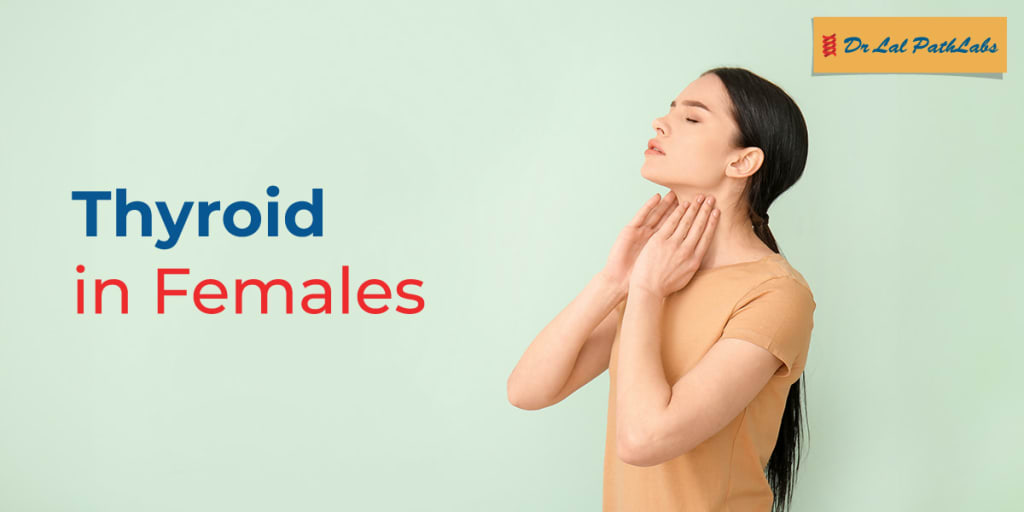
Thyroid disorders are a common health issue, particularly among women. The thyroid gland, a small butterfly-shaped gland situated at the base of the neck, plays a crucial role in regulating metabolism, energy production, and overall hormonal balance. When the thyroid gland malfunctions, it can lead to a variety of health problems.
This article will explore the symptoms, causes, and treatment options for thyroid disorders in women.
Symptoms of Thyroid Disorders
Thyroid disorders can manifest in several ways, primarily as hypothyroidism (underactive thyroid) or hyperthyroidism (overactive thyroid). Each condition has distinct symptoms:
Hypothyroidism Symptoms:
Fatigue: Persistent tiredness and lack of energy.
Weight Gain: Unexplained weight gain despite no changes in diet or exercise.
Cold Intolerance: Increased sensitivity to cold temperatures.
Dry Skin and Hair: Skin becomes dry and flaky, hair may become brittle and fall out.
Depression: Feelings of sadness or depression.
Constipation: Difficulty with bowel movements.
Muscle Weakness: Generalized muscle weakness and aches.
Hyperthyroidism Symptoms:
Weight Loss: Unintended weight loss despite normal or increased appetite.
Heat Intolerance: Increased sensitivity to heat.
Rapid Heartbeat: Palpitations or a racing heart.
Nervousness and Anxiety: Feelings of nervousness, anxiety, or irritability.
Tremors: Shaking hands or fingers.
Increased Sweating: Excessive sweating.
Sleep Disturbances: Difficulty sleeping or insomnia.
Causes of Thyroid Disorders
Several factors can contribute to the development of thyroid disorders in women:
Autoimmune Diseases: Conditions like Hashimoto's thyroiditis (hypothyroidism) and Graves' disease (hyperthyroidism) are caused by the immune system attacking the thyroid gland.
Genetics: A family history of thyroid disorders increases the risk.
Hormonal Changes: Pregnancy, menopause, and other hormonal changes can affect thyroid function.
Iodine Deficiency: Iodine is essential for thyroid hormone production. A deficiency can lead to thyroid problems.
Medications: Certain medications can interfere with thyroid function.
Radiation Therapy: Radiation treatment for cancers of the head and neck can affect the thyroid gland.
Diagnosis of Thyroid Disorders
Diagnosing thyroid conditions generally requires a mix of physical exams, blood work, and imaging techniques. Blood tests measure levels of thyroid hormones (T3 and T4) and thyroid-stimulating hormone (TSH). High TSH levels indicate hypothyroidism, while low TSH levels suggest hyperthyroidism. Imaging studies, such as ultrasound or radioactive iodine scans, can help assess the structure and function of the thyroid gland.
Treatment Options
Treatment for thyroid disorders depends on the type and severity of the condition:
Hypothyroidism Treatment:
Thyroid Hormone Replacement Therapy: The most common treatment involves daily use of synthetic thyroid hormone (levothyroxine) to normalize hormone levels.
Regular Monitoring: Regular blood tests are necessary to ensure the correct dosage of medication.
Hyperthyroidism Treatment:
Antithyroid Medications: Drugs like methimazole or propylthiouracil reduce thyroid hormone production.
Radioactive Iodine Therapy: This treatment involves taking radioactive iodine orally, which destroys overactive thyroid cells.
Beta-Blockers: These medications help manage symptoms like rapid heartbeat and tremors.
Surgery: In some cases, surgical removal of the thyroid gland (thyroidectomy) may be necessary.
Lifestyle and Home Remedies
In addition to medical treatments, certain lifestyle changes and home remedies can help manage thyroid disorders:
Balanced Diet: Eating a diet rich in fruits, vegetables, whole grains, and lean proteins supports overall health. Iodine-rich foods, such as seafood and dairy, are particularly beneficial for thyroid function.
Regular Exercise: Physical activity helps maintain a healthy weight and boosts energy levels.
Stress Management: Practices like yoga, meditation, and deep breathing can help reduce stress, which can impact thyroid function.
Avoiding Goitrogens: Certain foods, like soy and cruciferous vegetables, can interfere with thyroid function if consumed in large amounts. Moderation is key.
Conclusion
Thyroid disorders are a significant health concern for many women, but with proper diagnosis and treatment, they can be effectively managed. Understanding the symptoms, causes, and treatment options is crucial for maintaining thyroid health. If one suspects a thyroid disorder, he or she should consult with a healthcare provider for appropriate testing and treatment. By taking proactive steps, one can ensure their thyroid gland functions optimally, supporting overall well-being. Book a thyroid test at dr lal pathlabs today!
FAQs
1. What are the symptoms of thyroid issues in females?
Symptoms of thyroid issues in females include fatigue, weight changes, sensitivity to temperature, hair loss, and mood swings.
2. How do thyroid problems start?
Thyroid problems often start due to autoimmune diseases, genetic factors, hormonal changes, iodine deficiency, or certain medications.
About the Creator
Keep reading
More stories from Profile Connect and writers in FYI and other communities.
Understanding Prostate Gland: What Does It Do?
The prostate gland is a small but significant part of the male reproductive system. Despite its size, it plays a crucial role in male fertility and overall health. Understanding the functions and importance of the prostate gland can help men maintain their reproductive health and recognize potential issues early on.
By Profile Connectabout a year ago in FYI



Comments
There are no comments for this story
Be the first to respond and start the conversation.