
Horn of Plenty: A Thanksgiving Symbol
The cornucopia is the horn of plenty.

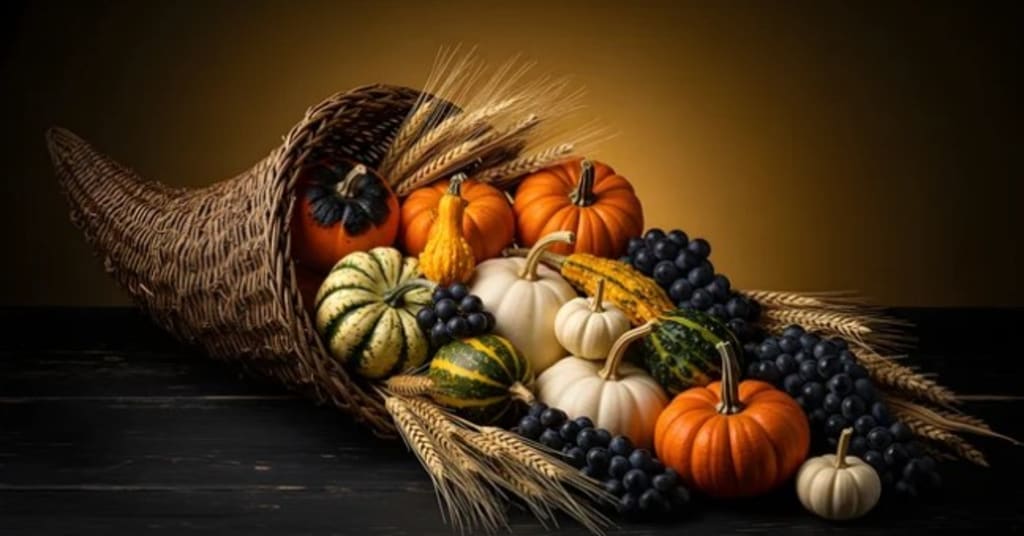
The horn of plenty is also known by its Latin name, which is a cornucopia. The Latin “cornu” means horn, and “copia” means plenty. When you put the two words together, you get the word cornucopia.
Long ago, the container was a real goat’s horn. The contents included fruits, vegetables, and grains from the earth. Today, the horn of plenty can be made of other materials. Some people use a wicker basket. The contents might be much different from the original representation.
The cornucopia has a distinctive look of abundance and nourishment, with all the contents coming from the earth. The produce, fruits, and nuts spill out of a big horn because there is more than enough to fit inside the container.
The horn of plenty is a familiar symbol in literature, especially when it comes to Greek mythology. It is most often associated with the harvest, prosperity, or spiritual abundance.
Origin of the Cornucopia
The most common origin story of the cornucopia dates back to Greek mythology surrounding Zeus, the lightning god. As an infant, Zeus was taken to the island of Crete, where he was nursed and cared for by a goat named Amalthea. One day, Zeus accidentally broke off one of Amalthea's horns. To make amends, Zeus used his powers to ensure that the goat's horn would be a symbol of everlasting nourishment, representing abundance.
That's why the cornucopia is a horn. It contains so many things that the contents are seen outside the horn.
Those who watched The Hunger Games might have noticed that the horn of plenty was at the center of the field, where all the weapons and resources were stored.
Purpose of the Horn of Plenty
Several things can be gleaned from the definition and purpose of the horn of plenty.
- It is associated with the harvest as a result of the agricultural work put into growing the fruits and vegetables.
- The horn of plenty always gives the impression of prosperity and abundance, indicating more than enough.
- One thing that must be emphasized is that the entire bounty comes from the earth and not from the mall.
The Earth's Bounty
Every single thing in the horn comes from the earth. The content is associated with the harvest season. That's why the cornucopia is usually seen in autumn rather than in summer. It is used in Thanksgiving decorations in houses and department stores.
The Pilgrims suffered a lack when they first came to America. They had very little during their first winter. However, they depended on God for their supplies from the earth. The following season, in 1621, they were no longer in need. In fact, they had more than enough.
The Pilgrims recognized that every good thing comes from God. Therefore, they gave Him thanks in all circumstances, according to 1 Thessalonians 5:18.
Two Cornucopias in Idaho's State Seal
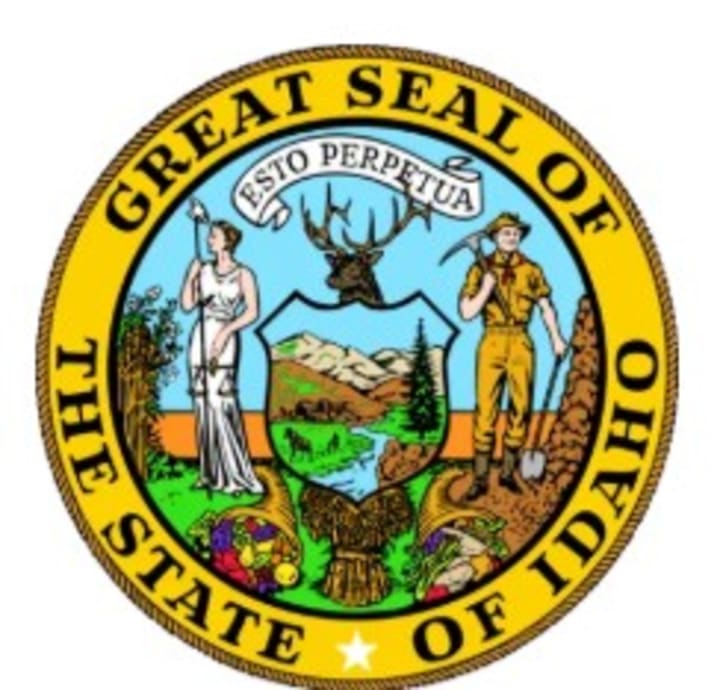
In most of the United States, the cornucopia is associated with the harvest, especially around Thanksgiving. One state embraces the full meaning of the horn of plenty all year long. That's why there are two of them on the flag and state seal.
The two cornucopias, or horns of plenty, refer to Idaho's horticultural resources. Look at the picture and see if you can locate the two cornucopias.
Ways of Displaying the Horn of Plenty
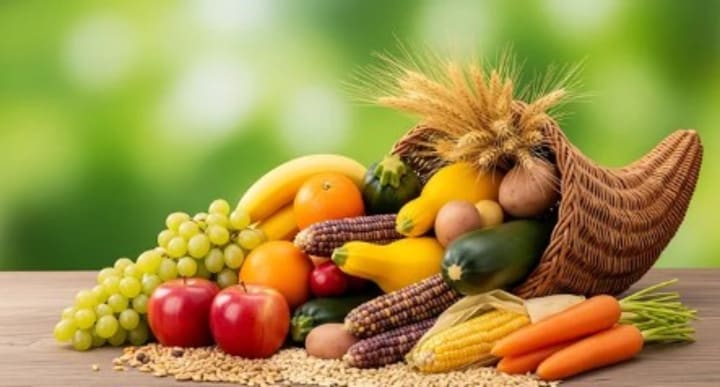
When the cornucopia was first used, it was always on its side. It is better to use it that way as a centerpiece full of contents from the earth. Today, the horn of plenty is a hollow, horn-shaped wicker basket filled with fruits, vegetables, and nuts.
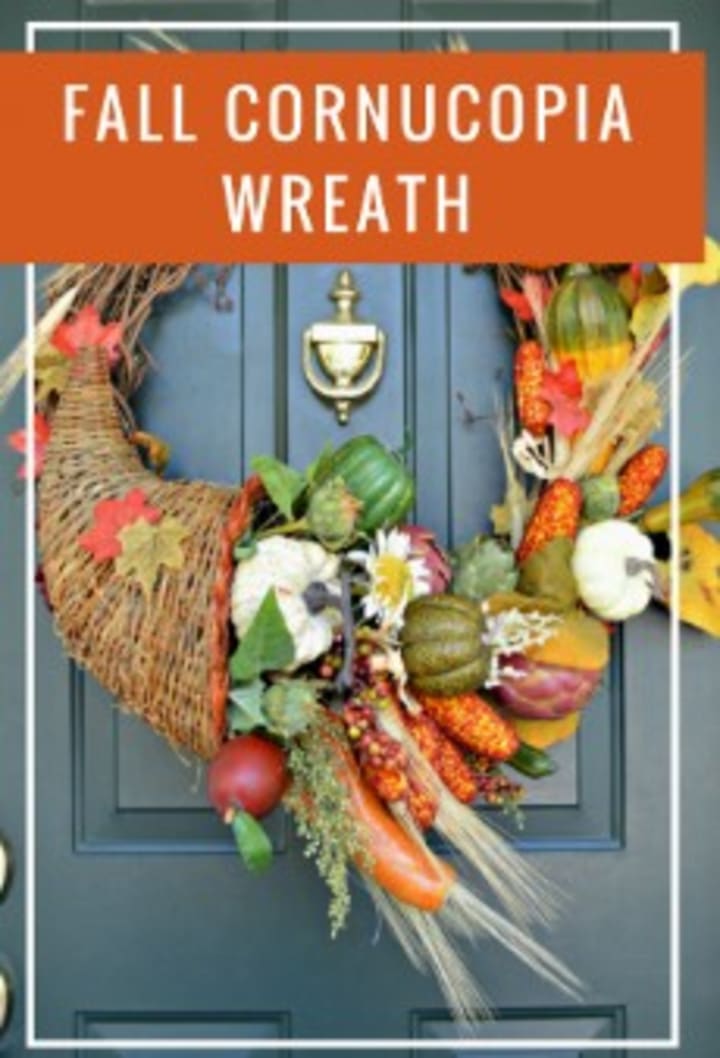
Some people use a wicker basket upside down as a container for flowers and twigs, decorating a door or wall. This shows that the horn of plenty can be versatile.
About the Creator
Margaret Minnicks
Margaret Minnicks has a bachelor's degree in English. She is an ordained minister with two master's degrees in theology and Christian education. She has been an online writer for over 15 years. Thanks for reading and sending TIPS her way.
Keep reading
More stories from Margaret Minnicks and writers in FYI and other communities.
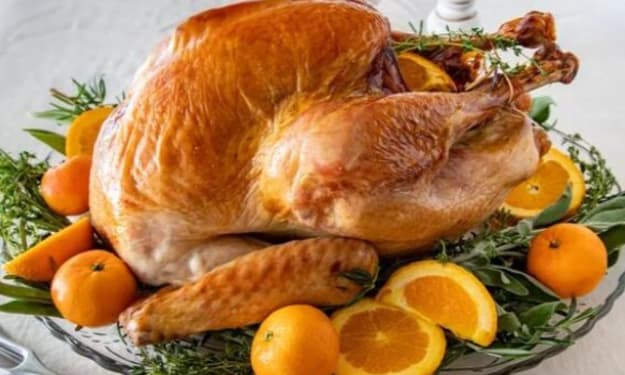
"Let's Talk Turkey"
Over the years, I have learned some interesting things about the bird that ends up on many tables on Thanksgiving Day. Even though the turkey is the centerpiece on most people's dinner tables on Thanksgiving Day, it was not the meat that was eaten on the first Thanksgiving. The 53 pilgrims and 90 Indians ate venison, goose, and duck when they met to celebrate a fruitful harvest.
By Margaret Minnicks2 months ago in FYI
NASA Finds Massive Ice Sheets on Mars: What It Means for Future Colonization
For a long time, we’ve looked at Mars as a dry, dusty desert, a place where water was a relic of the ancient past. But thanks to some incredible high-resolution photography from the Mars Reconnaissance Orbiter, that image is changing. Researchers have officially spotted massive, exposed ice sheets that are far larger and "cleaner" than anyone expected.
By Areeba Umairabout 7 hours ago in FYI


Comments
There are no comments for this story
Be the first to respond and start the conversation.