
Here comes the ‘Comet of the Century’ Tsuchinshan–ATLAS
After surviving its trip around the sun, it's working its way back into the sky
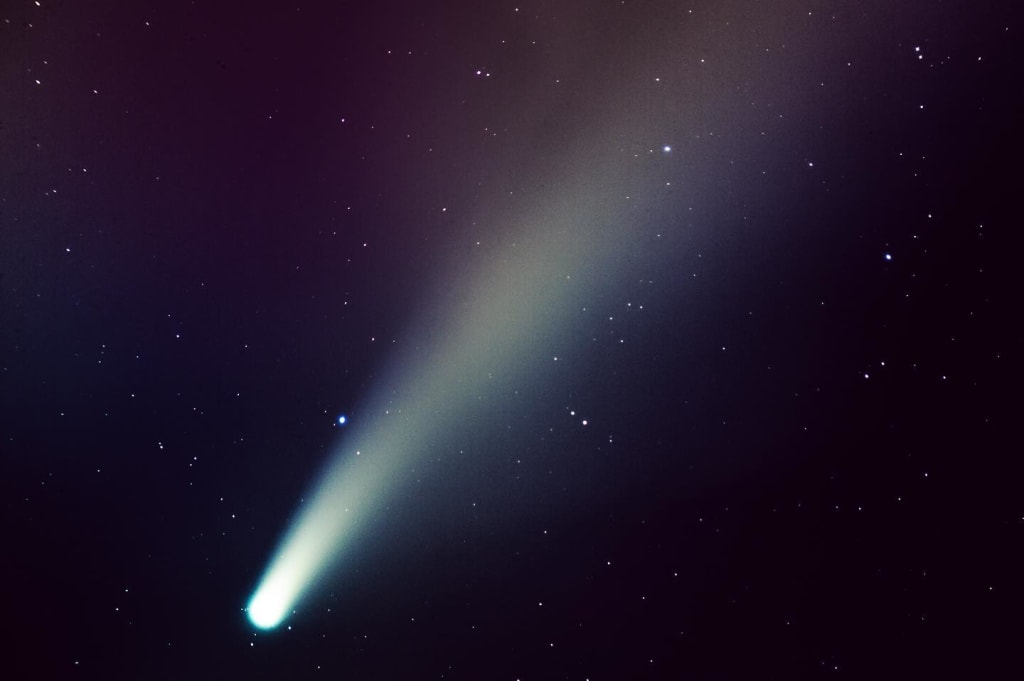
I get incredibly excited when new comets start to make their way into our visual orbit here on planet Earth! They can be so unexpected and unpredictable, much like a toddler off its ADHD medications; you just don't know what to expect; it can either explode in a blaze of glory or fade like a whisper.
I have been capturing images of comets for the last 11+ years. I had no idea they were so frequent in our morning and night skies before then. I have successfully imaged 20+ comets up to this point. I need a T-shirt or some sort of official badge that proclaims I am a “Comet Hunter.” I need that title in my life. The street cred something like that could bring me, priceless.
Finding comets can be a difficult challenge, but the thrill of finding them and seeing them in the sky can make my heart skip a beat. That sounds so romantic, and it kind of is, having a romance with the night sky is totally allowed. Some nights I referred to it as “chasing tail,” which would get me a dirty smirk from my wife.
The idea of a giant space snowball (which is all a comet really is, a huge rock of ice!) that hurtles through space for what could be its final voyage as it barrels towards our sun—will it survive? or burst into a giant ball of melting gas and light. Every comet has the most incredible potential of being a once-in-a-lifetime firework and memory for years to come.
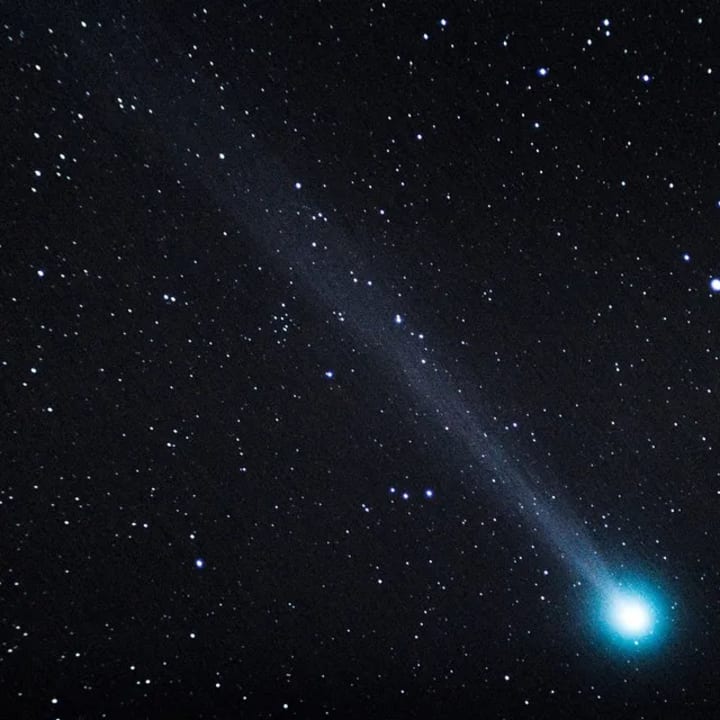
Using a good stargazing app is the best way to find an approximate location. Long before we had smartphone apps, I had to star hop with my eyes and would use good old-fashioned star charts.
I first started imaging C/2023 A3, also known as Tsuchinshan–ATLAS back in early March of 2024. It was in our evening sky, and each night there would be subtle but also dramatic changes in its appearance.
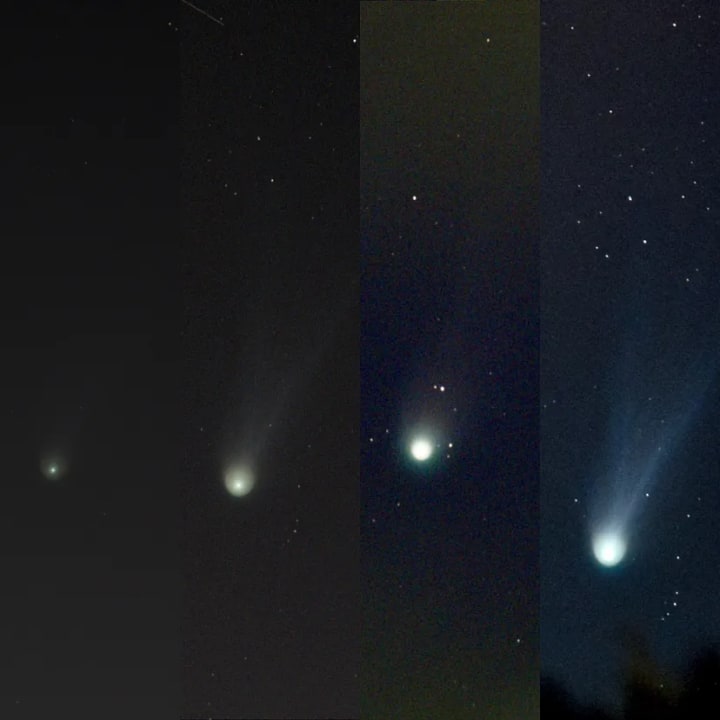
Some nights during my imaging attempts in March, it proved to be brighter than other nights. Sometimes the tail was a little more detailed and visible, all of this can depend on space conditions, solar winds, and atmosphere conditions. The potential to slip into a super-nerd and talk out with details is always a possibility if you get me started.
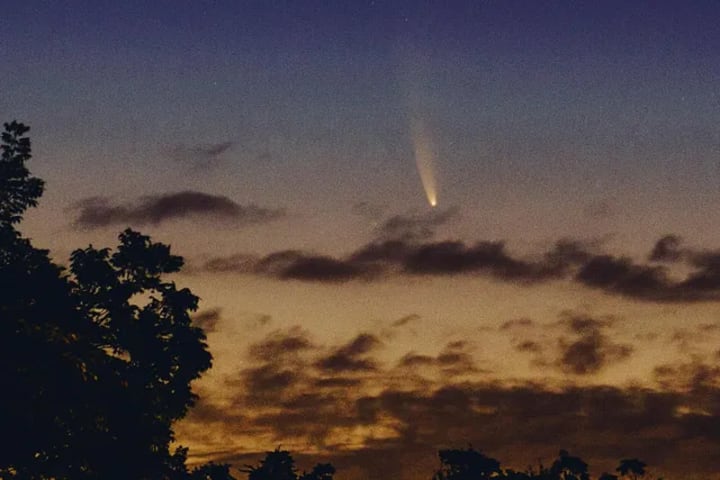
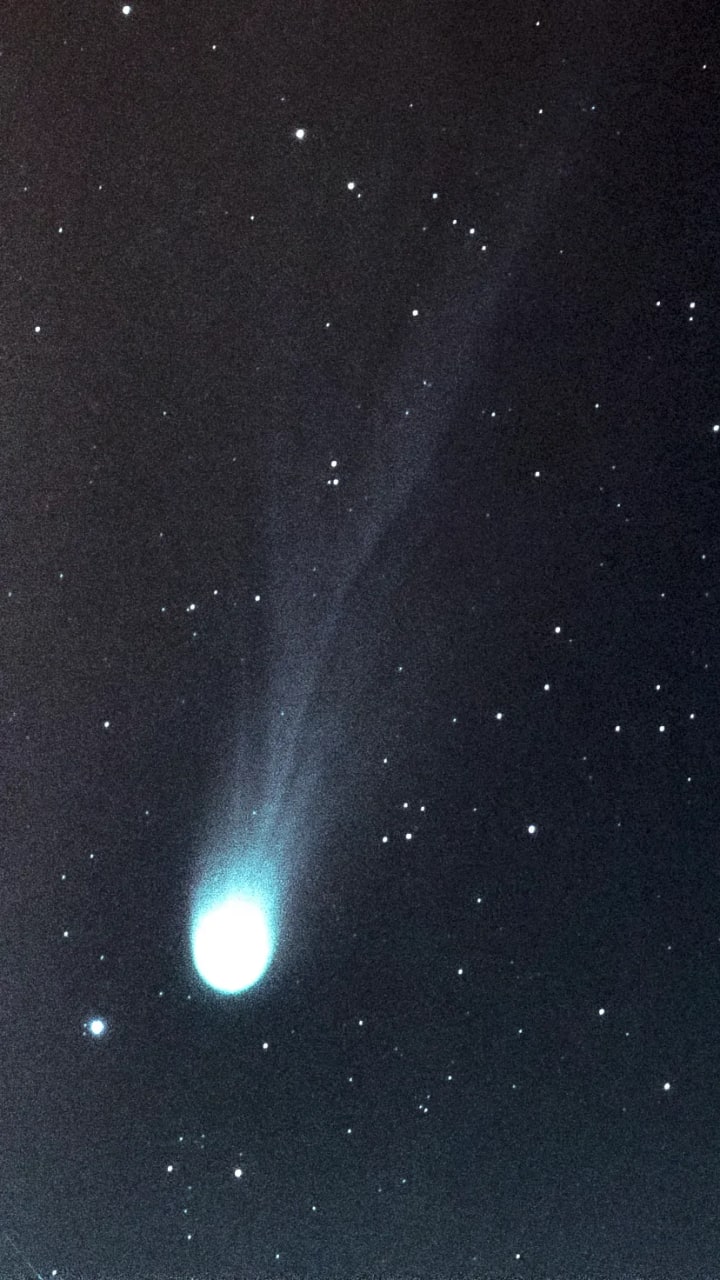
The rumor in the science community is that this “comet of the century” will appear in all its splendor in our sky during September and October 2024. Due to its current known characteristics, it is believed to potentially be exceptionally bright, similar to Halley’s Comet in 1986 or NEOWISE in 2020 (see the top image and image below images I captured of Comet Neowise).
So the big question on everyone's mind is:
When Will It Be At Its Best?
C/2023 A3 will shine in the northern hemisphere sky from September 27 and will remain visible until the last week of October. During this period, the comet will reach its minimum distance from the sun before beginning its journey back out of the solar system.
According to the latest data, the day when C/2023 A3 will be the brightest will be October 2nd, 2024. The comet’s tail will be long and spectacular at this point due to its proximity to the sun, which is very exciting.
At What Time Will the Comet Be Visible?
Because of its current location to the sun, the comet will be much like the paths of Mercury and Venus: it will be seen close to the horizon, in the path of the sun, and just before sunrise.
The best window to see it will be between 5:00 AM and 7:00 AM from September 27 onwards. The timing and position will be much the same across the northern hemisphere.
As October moves on, the comet will elevate its position in relation to the horizon and at the same time lose brightness, and that is always met with sadness by myself and the comet community as it fades away.
A fun fact about Tsuchinshan–ATLAS is that it is a long-orbiting body and comes from the Oort cloud, which is far beyond the edge of the solar system; it will not appear again in our skies for tens of thousands of years.
This is why we call it a “Comet of the Century”.



Comments