
Glass Railing Vs Steel Railing
Glass Railing vs. Steel Railing: A Comprehensive Guide
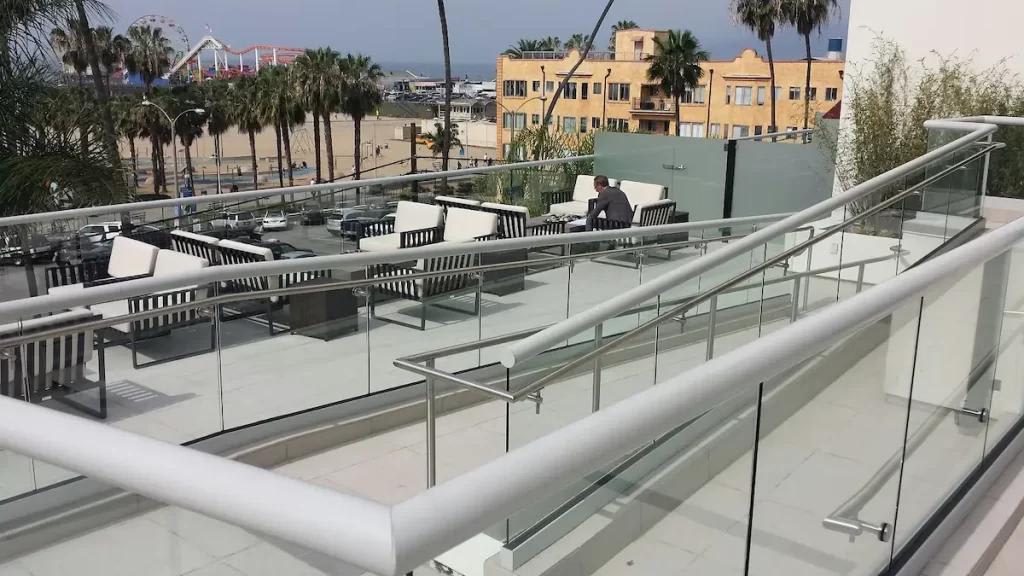
The choice between glass and steel railings can significantly impact the aesthetic, functionality, and overall cost of a project.
Both materials offer unique advantages and disadvantages, making it crucial to carefully consider your specific needs and preferences before making a decision. This article delves into the intricacies of glass and steel railings, exploring their strengths, weaknesses, and suitability for various applications.
Understanding the Basics
Glass Railings
Glass railings have gained immense popularity in recent years due to their sleek, modern appearance and ability to create an unobstructed view. They are often used in both residential and commercial settings, including balconies, staircases, and pool enclosures.
Key features of glass railings:
Aesthetic appeal: Glass railings offer a clean, minimalist look that enhances the overall ambiance of a space.
Unobstructed views: The transparency of glass allows for maximum visibility and natural light penetration.
Modern design: Glass railings are synonymous with contemporary architecture and interior design.
Steel Railings
Steel railings have been a staple in construction for centuries, renowned for their durability and strength. They are available in various styles and finishes, making them suitable for a wide range of applications.
Key features of steel railings:
Durability: Steel is highly resistant to wear and tear, making it an ideal choice for high-traffic areas.
Strength: Steel railings can support heavy loads, ensuring safety and security.
Versatility: Available in various styles and finishes to complement different architectural styles.
Factors to Consider
When choosing between glass vs steel railings, several factors should be taken into account:
Aesthetics
Glass: Offers a sleek, modern look that maximizes natural light and creates an open feel.
Steel: Provides a classic, industrial or contemporary appearance depending on the style and finish chosen.
Safety and Security
Glass: Modern glass railing systems are engineered to be highly secure and resistant to breakage. Tempered and laminated glass is commonly used to enhance safety.
Steel: Offers excellent strength and durability, making it a reliable choice for safety-critical applications.
Maintenance
Glass: Requires regular cleaning to maintain clarity and prevent smudges.
Steel: May require periodic cleaning and protective coatings to prevent rust and corrosion.
Cost
Glass: Generally more expensive than steel due to the cost of materials and installation.
Steel: Offers a more budget-friendly option, especially for larger projects.
Suitability for Different Environments
Glass: Ideal for indoor and outdoor environments with moderate weather conditions. Avoid excessive exposure to direct sunlight and extreme temperature fluctuations.
Steel: Suitable for both indoor and outdoor applications, including harsh weather conditions.
Glass Railing Design and Installation
Glass railings are typically composed of tempered or laminated glass panels supported by a frame made of stainless steel or aluminum. The installation process involves careful measurements, precise cutting of glass panels, and secure attachment of the frame to the supporting structure.
Design considerations for glass railings:
Glass thickness: The thickness of the glass panels should be determined based on safety requirements and desired aesthetic.
Frame material: Stainless steel or aluminum frames offer durability and corrosion resistance.
Fasteners: High-quality fasteners are essential for secure installation.
Glass type: Tempered or laminated glass is recommended for safety.
Steel Railing Design and Installation
Steel railings are available in various designs, including wrought iron, stainless steel, and mild steel. They can be customized to match different architectural styles and preferences.
Design considerations for steel railings:
Steel type: Choose the appropriate steel grade based on the intended use and environmental conditions.
Railing style: Select a style that complements the overall design of the building.
Finish: Consider different finishes such as powder coating, galvanizing, or painting to protect the steel from corrosion.
Installation: Ensure proper installation to guarantee safety and longevity.
Choosing the Right Railing for Your Project
The decision between glass and steel railings ultimately depends on your specific project requirements, budget, and personal preferences. Consider the following factors when making your choice:
Project location and environment: Indoor or outdoor, climate conditions.
Desired aesthetic: Modern, classic, industrial, or other style.
Safety and security requirements: The level of protection needed.
Maintenance considerations: How much time and effort are you willing to invest in upkeep?
Budget: Determine your available budget for the railing project.
By carefully evaluating these factors, you can select the railing material that best suits your needs and enhances the overall appeal of your space.
About the Creator
Keep reading
More stories from Jane Smith and writers in FYI and other communities.
📢 Raise Your Voice Thread: 03/05/2026
Our “Raise Your Voice Threads” are hosted most alternating Thursdays at 12PM ET to offer creators more avenues to uncover exceptional stories on Vocal. As we are continuously searching for fresh creators and inspiring stories, this thread provides an opportunity to exchange and discuss the stories that have moved and motivated us on Vocal.
By Raise Your Voice by Vocal4 days ago in Resources



Comments (1)
Excellent writing