

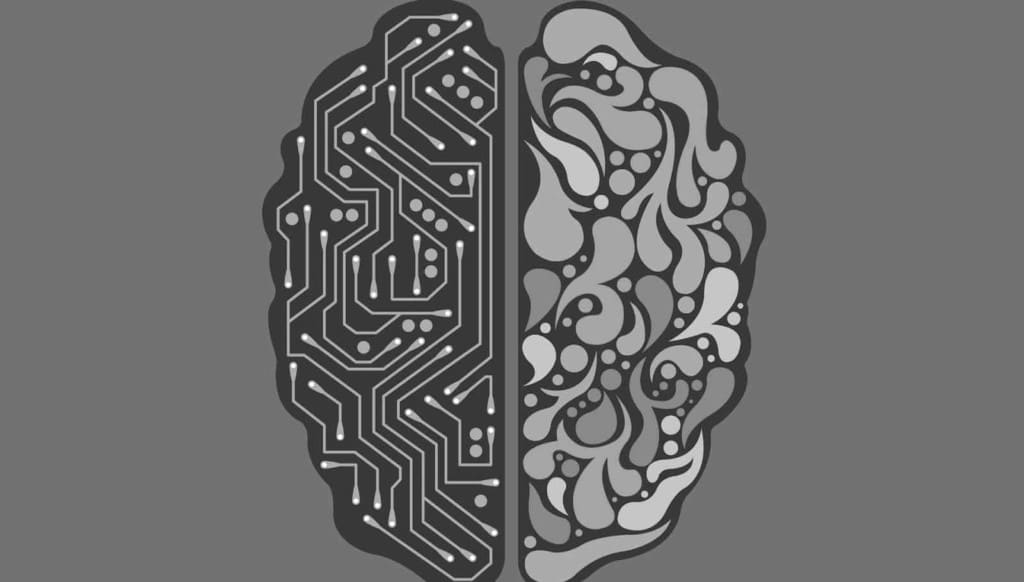
Artificial intelligence (AI) is a rapidly growing field that has the potential to revolutionize many aspects of our lives in the future. From self-driving cars to medical diagnoses, the applications of AI are vast and varied. In this article, we will explore some of the ways in which AI is likely to impact the world in the future.
One of the most significant areas where AI is likely to have a major impact is in transportation. Self-driving cars are already being tested on the roads, and it is expected that they will soon become a common sight. This technology has the potential to greatly reduce the number of accidents caused by human error, as well as to make transportation more efficient. With self-driving cars, people will be able to spend their commute time doing other things, such as working or relaxing.
Another area where AI is expected to have a major impact is in healthcare. AI-powered systems are already being used to assist doctors in diagnosing medical conditions, and this technology is only going to become more advanced in the future. In the future, it is likely that we will see more personalized medicine, in which AI-powered systems will be able to analyze a patient's medical history, genetic data, and other information in order to make tailored treatment recommendations. In addition, AI-powered robots and virtual assistants will become increasingly common in hospitals, helping with tasks such as patient monitoring, surgery, and rehabilitation.
AI is also likely to have a major impact on the way we work. As machines and computers become more intelligent, they will be able to take on more tasks that were previously done by humans. This will free up human workers to focus on tasks that require creativity, problem-solving, and other higher-level skills. However, it will also lead to job displacement for many people, and it will be crucial for governments and organizations to provide support for those who are affected.
In the field of education, AI could provide customized learning experiences for each student, adapting to their unique learning styles and abilities. With the use of AI, teachers will be able to monitor student progress in real time, providing immediate feedback and adjusting lesson plans accordingly. AI will also open up new possibilities for online education, allowing students to learn from anywhere at any time.
The future of AI is also likely to involve the creation of increasingly intelligent and autonomous robots. These robots will be able to perform a wide range of tasks, from manufacturing and construction to service and caregiving. They will also have the ability to interact with humans in increasingly natural ways, using voice and facial recognition technology, as well as natural language processing. However, with the rise of highly advanced robots, the question of how to ensure their safe and ethical use will become increasingly important.
In the field of entertainment, AI will make it possible for people to interact with virtual characters in increasingly realistic ways. For example, people will be able to have virtual conversations with AI-powered virtual assistants, or play games in which the AI characters are able to respond to the player's actions in real-time. In addition, AI will also make it possible for people to create highly realistic and immersive virtual worlds.
Finally, AI has the potential to change the way we interact with the world around us. Smart cities, for example, will use AI-powered systems to optimize traffic flow, reduce energy consumption, and improve the overall quality of life for citizens. In addition, AI-powered systems will be able to analyze large amounts of data in order to predict and prevent crime, as well as to improve public safety.
In conclusion, artificial intelligence is a rapidly growing field that has the potential to revolutionize many aspects of our lives in the future. From self-driving cars to medical diagnoses, the
About the Creator
Keep reading
More stories from Mihidum Gamage and writers in FYI and other communities.
If you're pre-diabetic, there are several eating habits you should avoid, according to a dietitian.
Pre-diabetes affects up to 30% of Americans, and the majority of them are unaware of it. When blood sugar levels are high but not high enough to be diagnosed with type 2 diabetes, it is called prediabetes. Blood sugar levels in the prediabetes range can remain undetected for years. The American Diabetes Association Risk Test can help you determine your risk.
By Mihidum Gamage4 years ago in Longevity
Managing Tariff Impacts on Imported Aerospace Components
The aerospace industry operates within a highly interconnected global supply chain where manufacturers, suppliers, and maintenance providers depend on specialized components sourced from multiple countries. Aircraft production and maintenance require thousands of parts, ranging from structural materials and avionics systems to electronic hardware and precision fasteners.
By Beckett Dowhanabout 18 hours ago in FYI



Comments
There are no comments for this story
Be the first to respond and start the conversation.