
Furniture That Tells a Story: The Art of Sustainable Design
The Rise of Sustainable Furniture
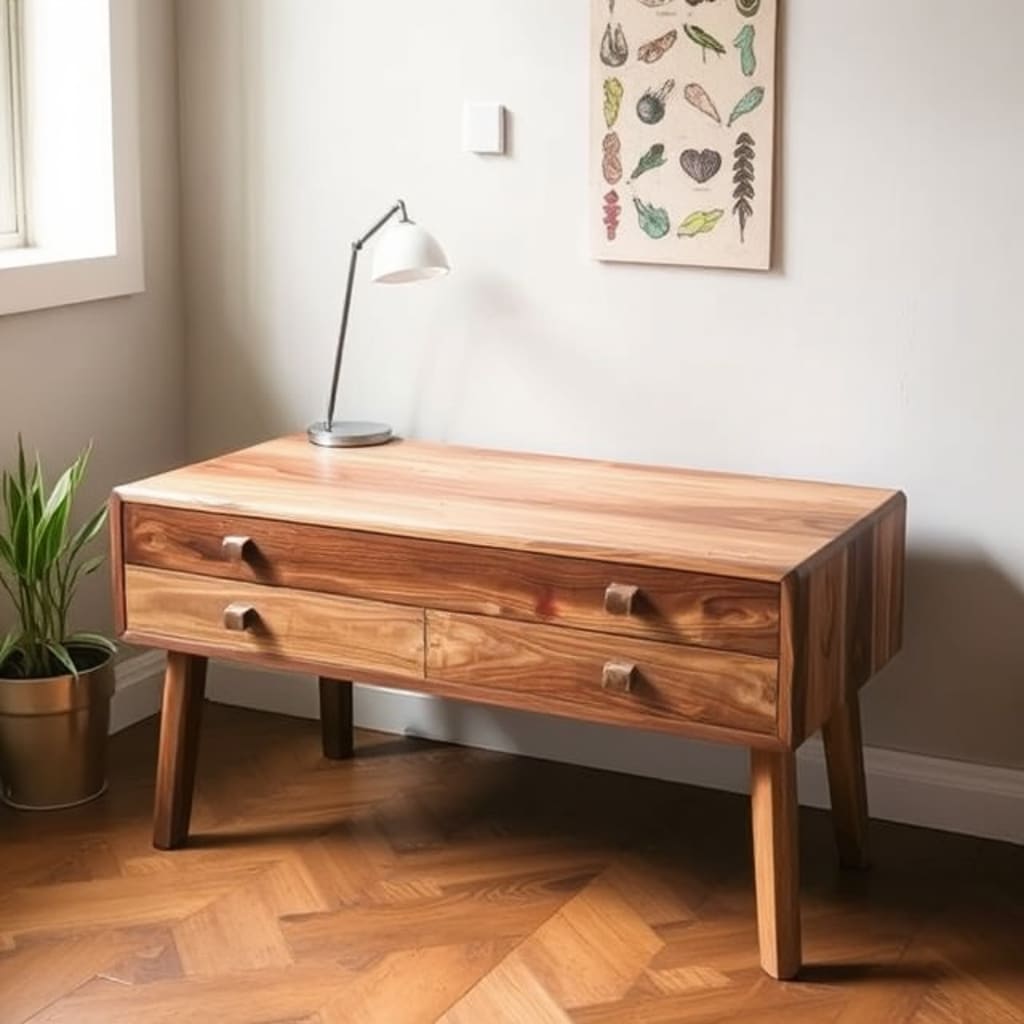
In today's world, sustainability has become more than just a buzzword—it’s a lifestyle and a guiding principle in all areas of design, including furniture. Sustainable design has moved beyond simple eco-friendliness to encompass a broader approach, where furniture doesn't just serve as a functional object, but as an expression of culture, history, and environmental awareness. Furniture that tells a story brings new life to spaces, while leaving a minimal impact on the planet.
The growing awareness of environmental issues, such as deforestation, carbon emissions, and waste, has led to a shift in the way we approach design. For many years, the furniture industry was centered around mass production, using cheap, non-renewable materials to meet demand. However, this fast-furniture culture has had significant consequences for the planet. Unsustainable practices, like over-harvesting wood and using harmful chemicals in finishes, have resulted in deforestation, pollution, and growing landfills.
In response to these concerns, sustainable furniture design has gained momentum. Designers, manufacturers, and consumers are becoming more mindful of how products are made, where the materials come from, and their long-term impact. As a result, many companies are embracing eco-friendly practices, opting for renewable, recycled, or upcycled materials that minimize harm to the environment. But beyond the materials used, sustainable design also focuses on craftsmanship, durability, and the emotional connection a piece can foster.
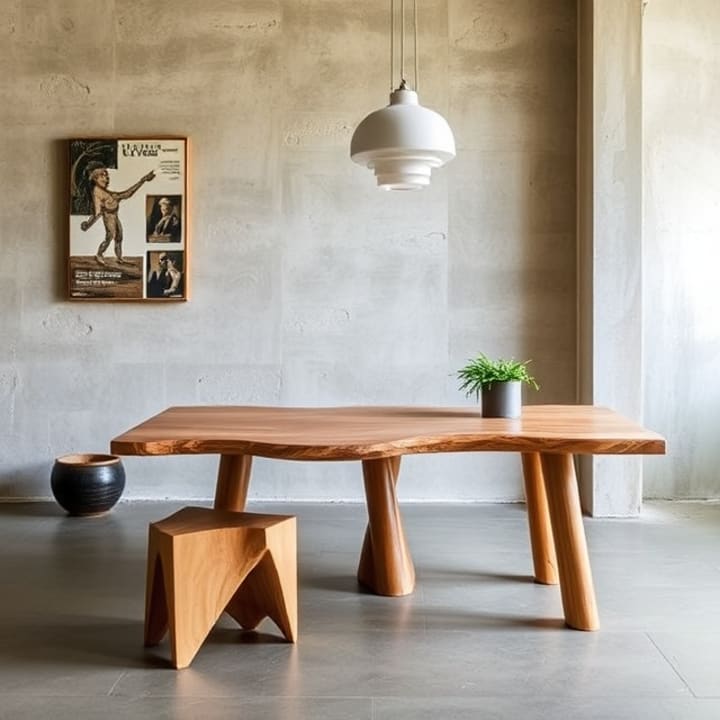
The Materials: From Recycled to Renewable
Sustainable furniture begins with the materials used to make it. Instead of relying on hardwoods that are often sourced from endangered forests, designers are turning to renewable alternatives like bamboo, cork, and reclaimed wood. Bamboo, for instance, is incredibly fast-growing and can be harvested without causing harm to the environment, making it an ideal material for furniture.
Recycled materials are also playing a crucial role in the creation of sustainable furniture. Reclaimed wood, often salvaged from old buildings, barns, or other structures, can be transformed into beautiful new furniture pieces. This not only prevents these materials from going to waste but also adds a unique character to each piece. Furniture made from recycled metal or glass further emphasizes sustainability, as these materials can be repurposed and reused indefinitely.
Additionally, sustainable furniture design often involves the use of organic fabrics like hemp, organic cotton, and linen. These materials require fewer pesticides and water than traditional cotton, reducing their environmental footprint. Natural dyes and non-toxic finishes also contribute to a healthier environment, both during the production process and for the end user.
Craftsmanship and Longevity: The True Value of Sustainability
A significant aspect of sustainable furniture is craftsmanship. Rather than focusing on producing as many pieces as possible, sustainable design emphasizes the importance of creating well-made, durable items. This shift from disposable furniture to long-lasting pieces reflects the growing recognition that quality should always trump quantity. Sustainable furniture is designed to withstand the test of time, ensuring that it can be passed down through generations, reducing the need for constant replacements.
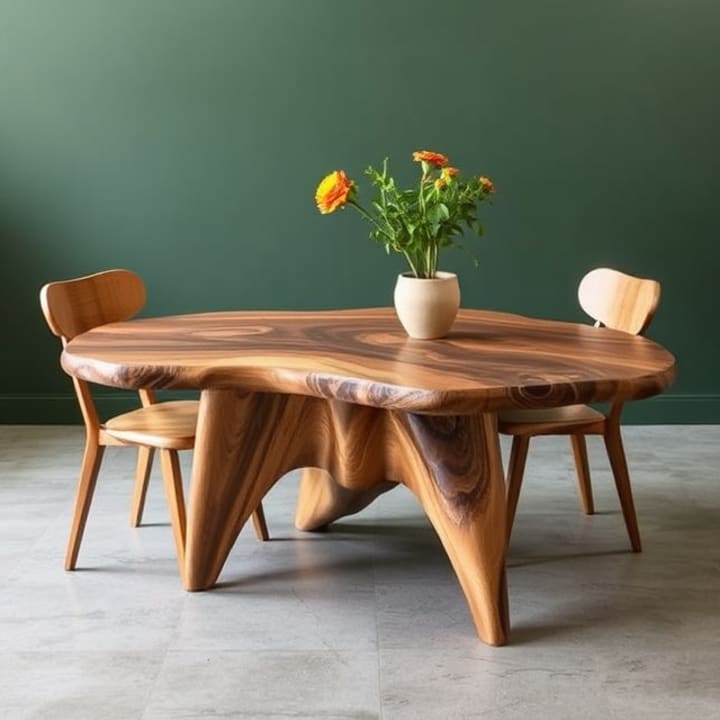
Durability is one of the core principles of sustainability. By creating pieces that are sturdy and timeless in design, manufacturers are helping to prevent waste. Furniture designed to last is more likely to be repaired, refinished, or reupholstered rather than discarded. In fact, many sustainable furniture designers offer repair services or instructions for maintaining and restoring their products, extending the lifespan of each piece.
A Personal Connection: Telling a Story Through Design
What makes sustainable furniture truly special is the story behind each piece. These are not just items that fill a space; they have histories, and often, a connection to the past. Reclaimed wood, for instance, can carry the charm of its original context—whether it's a piece of wood from a century-old building or wood that has already lived a previous life. When turned into a table, chair, or bookshelf, these materials not only add beauty and character but also carry the narrative of their past lives.
Artisans who work with reclaimed or repurposed materials often seek to preserve the story embedded within these materials. A piece of vintage furniture that is carefully restored, or a handmade table built from salvaged wood, becomes an heirloom of sorts—a piece that connects the present to the past. The stories of these materials are carried through the furniture, creating an emotional bond with the user. In this sense, sustainable furniture becomes more than just functional; it becomes a living artifact of culture, craftsmanship, and history.

Slow Design: A Philosophy of Mindfulness
Another aspect of sustainable furniture is the "slow design" movement, which emphasizes careful, deliberate creation over mass production. Just as slow food emphasizes the care and attention that goes into preparing a meal, slow design focuses on the quality and thoughtfulness behind each piece of furniture. This approach encourages artisans and designers to work with local materials, create fewer but higher-quality products, and develop furniture that contributes positively to the environment.
The slow design philosophy also encourages consumers to be more mindful about their purchases. Instead of impulsively buying mass-produced furniture, consumers are encouraged to invest in pieces that align with their values—pieces that are made to last, have minimal environmental impact, and offer a personal connection to their makers.
Sustainable Furniture: A Beautiful Future
Furniture that tells a story is more than just a trend; it’s a reflection of a growing desire to create a future that values craftsmanship, sustainability, and emotional connection. Sustainable design isn’t just about eco-friendly materials—it’s about creating pieces that have depth, meaning, and a lasting legacy. As we continue to rethink how we live, the furniture we choose to bring into our homes can play a significant role in shaping a more sustainable, thoughtful, and interconnected world. Each piece of sustainable furniture, whether reclaimed, recycled, or thoughtfully designed, carries a message of care and respect—for the environment, the craftspeople, and the future generations who will inherit them.
About the Creator
Keep reading
More stories from Opaa Homes and writers in FYI and other communities.
The Best Upholstery Fabrics of 2025: Comfort, Durability, and Style
As we move into 2025, upholstery fabrics are transforming to align with the ever-evolving demands of modern living. With an increasing focus on both luxury and practicality, the fabrics of the future combine cutting-edge technology with timeless design. These fabrics offer the perfect balance of comfort, durability, and style, making them an ideal choice for contemporary home interiors. Whether you’re furnishing a high-traffic area, creating a cozy retreat, or designing a sustainable space, the best upholstery fabrics of 2025 are versatile enough to suit a wide range of lifestyles.
By Opaa Homesabout a year ago in Education
Virginia was once a mega-state until it gave up most of its land
The year 2026 marks the 250th anniversary of the Declaration of Independence. According to Cardinal News, Virginia was originally much larger than it is today. Virginia came out of the Revolutionary War much smaller than it was when it went in.
By Margaret Minnicks6 days ago in FYI



Comments (1)
Beautifully crafted, great work!