
From Fez to Your Floor: The Journey of Moroccan Tile Craftsmanship
Chisels and Patterns: How Zellige Tiles Take Shape

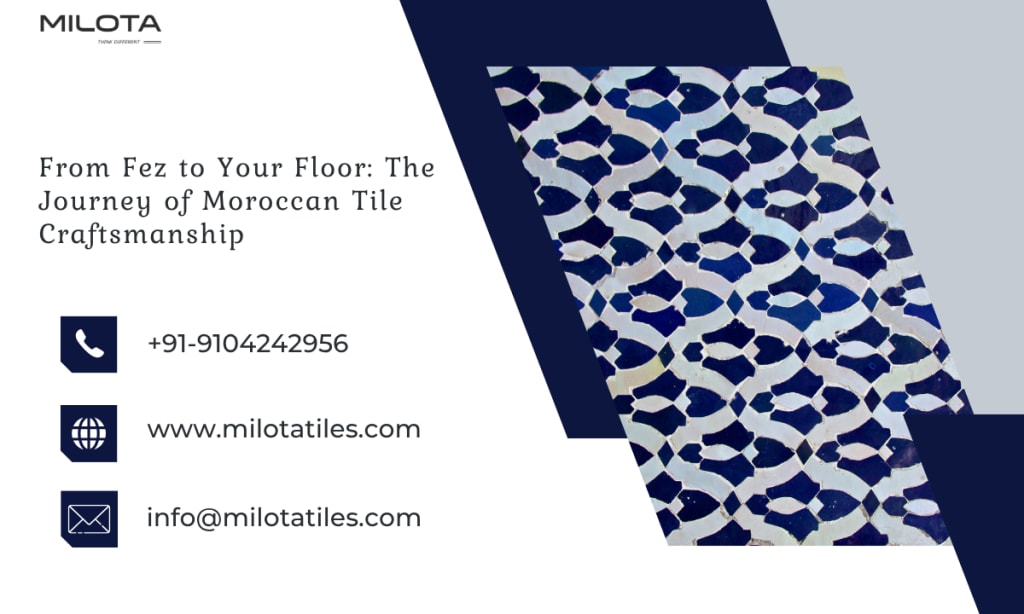
Moroccan tiles are more than just decorative elements in interior design—they are a reflection of centuries-old craftsmanship, rich cultural heritage, and artistic excellence. Originating from the historic city of Fez, Morocco, these intricately designed tiles have captivated the world with their vibrant colors, geometric patterns, and time-honored techniques. In this article, we trace the journey of Moroccan tiles from traditional workshops in Fez to becoming the stunning centrepieces of contemporary homes around the world.
The Origins: A Legacy Rooted in History
The story of Moroccan tiles, particularly Moroccan zellige tiles, begins in the 10th century. Zellige (pronounced "zuh-leezh") is a form of Islamic art that involves creating complex mosaic patterns using individually hand-chiseled pieces of tile. These tiles are traditionally made from a special clay found in the Fez region. For centuries, artisans have passed down the methods of crafting zellige tiles through generations, preserving both the technique and the cultural significance behind the art form.
Fez quickly became the heart of Moroccan tile craftsmanship due to its rich deposits of clay and its status as a cultural hub. Artisans in Fez developed and refined their skills within family guilds, using rudimentary tools and natural materials. The result was a unique art form that blended geometry, symmetry, and symbolism, often inspired by Islamic architectural principles.
The Art of Crafting Moroccan Zellige Tiles
The process of making Moroccan zellige tiles is labor-intensive and highly meticulous. It begins with collecting the clay, which is then soaked, kneaded, and shaped into square tiles. These are sun-dried and then fired in ancient kilns fueled by olive pits, which create intense heat and impart a unique finish to the tiles.
Once fired, the tiles are hand-glazed using natural pigments, producing the vibrant blues, greens, ochres, and whites that Moroccan tiles are famous for. After glazing, they are fired again to set the colors. Then comes the most intricate part: cutting the tiles into precise shapes using a small hammer called a menkach. Artisans use this tool to carve stars, crosses, diamonds, and other geometric forms with astonishing accuracy.
These small pieces are then assembled like a puzzle to form larger mosaic patterns. The skill and patience required for this work cannot be overstated. Each tile is not just a piece of ceramic but a testament to centuries of tradition and devotion to the craft.
Moroccan Floor Tiles: Bringing Tradition into Modern Spaces
While zellige tiles are commonly used in walls, fountains, and columns, Moroccan floor tiles have gained immense popularity in recent years. Their durability and slip-resistant surfaces make them ideal for both indoor and outdoor use. Modern designers and homeowners are increasingly incorporating Moroccan floor tiles in kitchens, bathrooms, patios, and even staircases to add an element of exotic charm and historical depth.
The fusion of traditional Moroccan tile craftsmanship with contemporary design aesthetics has led to an explosion of creative possibilities. From minimalist monochrome patterns to bold multicolor mosaics, Moroccan floor tiles are now available in a wide variety of styles to suit different tastes and spaces.
Sustainability and Ethical Craftsmanship
One of the unique aspects of Moroccan tile production is its sustainable and ethical approach. Most Moroccan zellige tiles are made using eco-friendly methods, including natural clay, hand-kilning, and low-impact glazing techniques. Moreover, by supporting traditional artisans in Fez and other regions, buyers are contributing to the preservation of a cultural heritage and supporting local economies.
In an era where mass production dominates the market, Moroccan tiles stand out as symbols of authenticity and sustainability. They offer not only aesthetic appeal but also a meaningful connection to the artisans and traditions behind their creation.
Choosing the Right Moroccan Tiles for Your Home'
If you're considering incorporating Moroccan tiles into your living space, it's essential to understand the various types and applications. Moroccan zellige tiles are best suited for walls and decorative surfaces due to their glossy finish and delicate nature. On the other hand, Moroccan floor tiles are engineered for strength and resilience, making them perfect for high-traffic areas.
When selecting tiles, consider the color palette, pattern complexity, and intended use. For a bold statement, go for vibrant colors and intricate designs. For a subtler touch, opt for neutral tones and simpler patterns. Whichever style you choose, Moroccan tiles will undoubtedly add character, texture, and artistry to your home.
Conclusion: A Timeless Journey
From the ancient kilns of Fez to the polished floors of modern homes, the journey of Moroccan tiles is one of passion, heritage, and enduring beauty. These tiles are not just functional building materials—they are storytellers, each piece narrating a tale of history, culture, and human artistry.
At Milota Tiles, we honor this remarkable tradition by offering a curated collection of authentic Moroccan tiles, including both Moroccan zellige tiles and Moroccan floor tiles. Each tile we source is handcrafted by skilled artisans, ensuring that the legacy of Moroccan craftsmanship continues to inspire and beautify spaces across the world.
Let the journey of Moroccan tiles take you from Fez to your floor, bringing a timeless blend of art and architecture into your everyday life.
About the Creator
Milota Tiles
Milota Tile is a proud venture of the Milota Group, rapidly emerging as a leading name in the manufacturing, distribution, and export of premium ceramic and porcelain tiles under the MILOTA brand.
Keep reading
More stories from Milota Tiles and writers in FYI and other communities.
Low-Maintenance Landscaping with Tumbled Pavers
Creating an outdoor space that is both beautiful and easy to maintain is every homeowner's dream. Whether you're working with a spacious backyard or a compact front yard, low-maintenance landscaping can save you countless hours of upkeep while still delivering eye-catching results. One of the most effective ways to achieve this balance of beauty and simplicity is by incorporating Tumbled Pavers into your landscape design.
By Milota Tiles7 months ago in FYI
Aquaculture Market Size and Forecast 2025
Aquaculture Market Overview Aquaculture, also known as aquafarming, refers to the controlled cultivation of aquatic organisms such as fish, crustaceans, mollusks, seaweed, and aquatic plants. Conducted across diverse environments including freshwater ponds, coastal lagoons, offshore cages, and recirculating land-based systems, aquaculture has become one of the fastest-growing food production sectors globally. It plays a critical role in meeting the rising demand for protein-rich food while reducing pressure on overexploited wild fisheries.
By Aaina Oberoi3 days ago in FYI


Comments
There are no comments for this story
Be the first to respond and start the conversation.