
From Casablanca to Your Home: Authentic Moroccan Tiles Stories
Casablanca: Where Tile-Making Traditions Begin

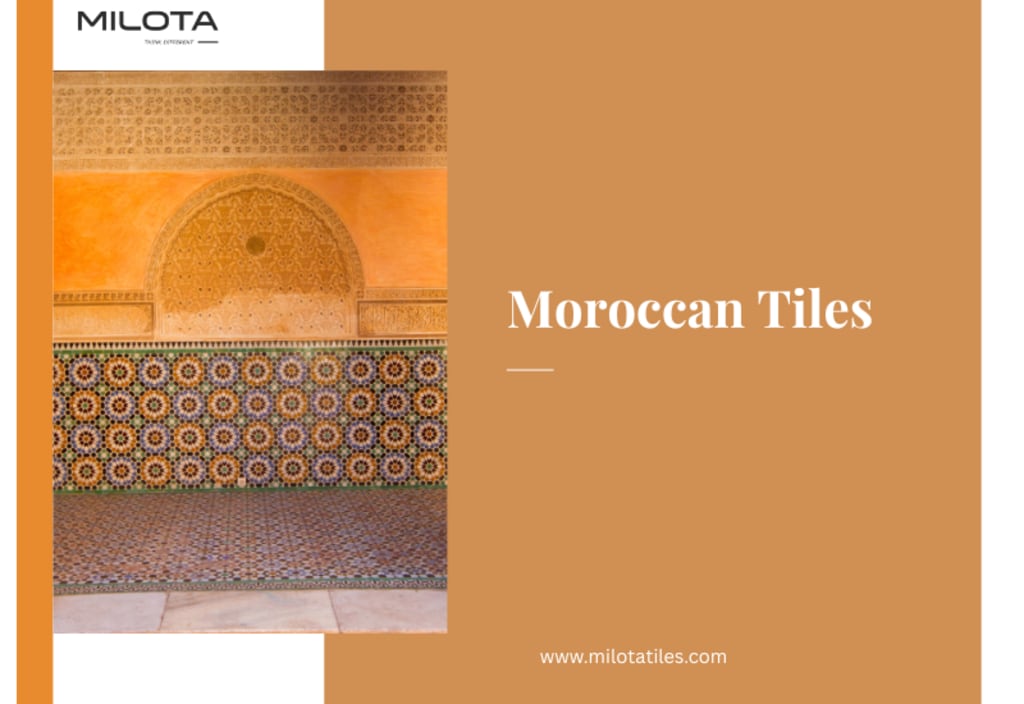
Few design elements carry the same charm, color, and timeless beauty as Moroccan Tiles. Known for their geometric patterns, vibrant colors, and intricate artistry, these tiles are more than simple décor—they are living pieces of history. From the bustling streets of Casablanca to modern homes across the globe, Moroccan Tiles have traveled far, carrying with them centuries of tradition and cultural expression. Today, homeowners, architects, and designers embrace them not only for their visual appeal but also for the deep heritage they represent.
The Heart of Moroccan Craftsmanship
To understand the true magic of Moroccan Tiles, one must first step into the heart of Casablanca. In this city, modern life blends with tradition, and tile workshops thrive as they have for centuries. Skilled artisans—often from families who have practiced the craft for generations—meticulously cut, glaze, and assemble each tile by hand. Known as zellige, this ancient tile-making technique involves shaping terracotta clay into small pieces and then arranging them into geometric mosaics.
Every step of the process is rooted in patience and precision. Artisans use natural clays, mineral-based pigments, and hand tools to achieve the striking balance of color and pattern. No two tiles are ever exactly the same, and that variation is what makes authentic Moroccan Tiles so distinctive. From deep cobalt blues to earthy ochres and emerald greens, the color palette echoes Morocco’s landscapes—ocean, desert, and fertile valleys—capturing the soul of the country itself.
The Cultural Story of Moroccan Tiles
The origins of Moroccan Tiles date back to the 10th century, when Islamic art and Andalusian influences began shaping Moroccan design. The geometric patterns, stars, and arabesques often seen in tilework represent both beauty and spirituality, symbolizing infinity and harmony. Walk into a Moroccan riad or mosque, and you’ll find entire walls, fountains, and floors covered in zellige mosaics. These tiles tell stories not with words, but with patterns—narratives of faith, unity, and tradition.
By bringing these tiles into your home, you are connecting with that cultural story. A splashback in your kitchen isn’t just functional; it is a reflection of centuries of artistry. A tiled courtyard isn’t just a design choice; it is a modern echo of Morocco’s architectural heritage.
From Casablanca Workshops to Modern Homes
One of the most fascinating aspects of Moroccan Tiles is their journey from traditional workshops to contemporary spaces. In Casablanca, artisans still shape and glaze each tile by hand, but the demand for these works of art now spans the globe. Companies like Milota Tiles
have made it possible to source authentic Moroccan Tiles directly, allowing homeowners and designers to bring this cultural treasure into their projects with ease.
The adaptability of Moroccan Tiles is part of their charm. In traditional Moroccan architecture, tiles often cover vast courtyards or ornate fountains. In today’s homes, they can be found in smaller yet equally impactful applications—bathroom walls, stair risers, fireplace surrounds, and even outdoor patios. Their unique character ensures that whether you choose a bold, colorful installation or a subtle, neutral palette, the result feels rich and meaningful.
The Stories Moroccan Tiles Tell in Modern Design
Bringing Moroccan Tiles into your home means adding layers of story and personality. Consider a few real-life design examples:
The Kitchen Splashback: A homeowner chooses a glossy indigo tile pattern for the kitchen wall behind the stove. The result is not just a splashback, but a focal point that reflects the vibrancy of Casablanca’s souks and seaside hues.
The Bathroom Retreat: Soft green and white Moroccan Tiles turn a small bathroom into a tranquil oasis. The geometric patterns mimic traditional riad interiors, offering a sense of calm and heritage in a modern setting.
Outdoor Courtyard: A family transforms their backyard by incorporating a Moroccan tiled water feature. The design recalls the cool courtyards of Marrakech and Casablanca, blending old-world charm with contemporary outdoor living.
Each of these spaces tells a story, where Moroccan Tiles act as the narrator—bridging tradition and modernity.
Why Authenticity Matters
In today’s design world, it’s possible to find mass-produced “Moroccan-style” tiles. While they may look similar from a distance, they often lack the depth, character, and durability of authentic zellige. Authentic Moroccan Tiles, crafted in Casablanca and other Moroccan cities, carry the imperfections and variations that make them truly unique. These small irregularities—the subtle shade differences, the uneven edges—are not flaws but signatures of authenticity.
Choosing authentic tiles means supporting Moroccan artisans, preserving cultural heritage, and ensuring your space carries genuine stories rather than imitation. It also guarantees long-lasting beauty; with proper installation and care, Moroccan Tiles can last for generations.
Caring for Moroccan Tiles
One reason Moroccan Tiles have endured for centuries is their durability. However, like all artisanal products, they thrive when cared for properly. Regular sealing protects their natural beauty, while gentle, pH-neutral cleaners keep the glaze intact. Unlike synthetic lookalikes, authentic tiles often become more charming with age, developing a patina that enhances their story rather than diminishing it.
The Emotional Connection
Perhaps the most compelling reason to bring Moroccan Tiles into your home is the emotional connection they create. Each tile has a journey—from the clay-rich earth of Morocco, to the hands of an artisan, to the shipping crate that carries it across the sea, and finally to your wall or floor. When you walk across a tiled surface or run your hand over a cool mosaic, you are touching history.
Casablanca’s workshops may be thousands of miles away, but through Moroccan Tiles, their artistry lives on in your daily life. They turn a simple space into a conversation piece, a personal sanctuary, or a reflection of global culture.
Conclusion: A Legacy in Your Home
From Casablanca to your home, the story of Moroccan Tiles is one of tradition, artistry, and timeless beauty. More than just a design trend, these tiles represent centuries of craftsmanship and cultural identity. Whether you choose them for a bold statement wall, a delicate kitchen splashback, or a serene courtyard retreat, Moroccan Tiles carry with them the heart of Morocco—its colors, its patterns, and its stories.
By choosing authentic Moroccan Tiles, you are not only enhancing your home’s aesthetic but also participating in a centuries-old tradition that continues to inspire the world. Explore authentic collections at Milota Tiles and bring home a piece of Casablanca’s artistry today.
About the Creator
Milota Tiles
Milota Tile is a proud venture of the Milota Group, rapidly emerging as a leading name in the manufacturing, distribution, and export of premium ceramic and porcelain tiles under the MILOTA brand.
Keep reading
More stories from Milota Tiles and writers in FYI and other communities.
Why Moroccan Tiles Are the Hottest Interior Trend of the Year
In the ever-evolving world of interior design, trends come and go, but some styles capture the imagination and refuse to fade away. Moroccan Tiles are one such phenomenon—steeped in history yet perfectly suited for modern interiors. In 2025, they’ve not only held their ground but have become one of the year’s most sought-after design elements.
By Milota Tiles5 months ago in FYI


Comments
There are no comments for this story
Be the first to respond and start the conversation.